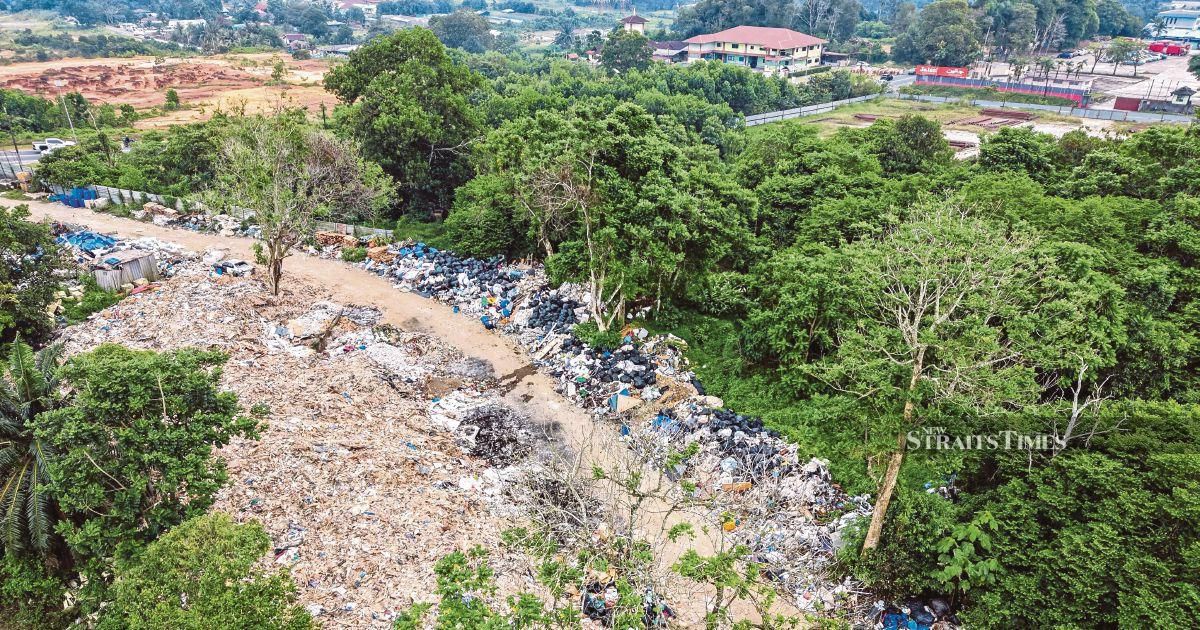
Authorities in Johor are mobilising a multi-agency task force to thoroughly examine allegations that construction waste originating from Singapore has been illegally dumped across several locations within Pontian, one of the state's strategically important border districts. The decision to establish this co-ordinated investigative unit signals the seriousness with which Johor is treating what could represent a significant environmental and regulatory violation with cross-border implications.
Pontian's proximity to Singapore makes it a potential disposal site for unwanted materials, particularly construction debris that may be expensive or difficult to manage within Singapore's own strict waste regulations. The alleged dumping, if substantiated, would represent a breach of Malaysia's environmental laws and potentially contravene bilateral agreements governing cross-border waste management. Such incidents have periodically surfaced along the Malaysia-Singapore border, highlighting the challenges of enforcing environmental compliance in areas where proximity facilitates illicit disposal.
The formation of this task force underscores the complexity of investigating transboundary environmental crimes, which typically require coordination between multiple authorities including Solid Waste and Public Cleansing Corporation (SWCorp), local municipal governments, environmental protection agencies, and potentially federal authorities. This multi-layered approach is essential because evidence collection, jurisdictional questions, and enforcement mechanisms often span different bureaucratic and regulatory domains that must work in concert to establish liability and prevent future violations.
Construction waste, while sometimes viewed as merely inert material, poses genuine environmental hazards when improperly disposed of. Beyond immediate landscape degradation, uncontrolled dumpsites can contaminate groundwater, alter local drainage patterns, and create conditions conducive to pest breeding and public health issues. In Pontian's case, the dispersal across multiple locations suggests either a prolonged pattern or co-ordinated systematic dumping rather than isolated incidents, both scenarios warranting rigorous investigation.
Malaysia has strengthened its environmental enforcement mechanisms in recent years, particularly regarding waste management and transboundary waste flows. However, investigating allegations involving a sophisticated neighbour like Singapore requires careful diplomacy alongside rigorous technical investigation. The task force will likely need to secure cooperation from Singapore authorities, examine waste manifests and transportation records, and potentially conduct forensic analysis to definitively establish the waste's origin.
For residents and businesses in Pontian, this investigation touches on broader concerns about their district bearing the environmental costs of proximity to a wealthier neighbour with more stringent regulations and higher disposal costs. Illegal dumping not only damages local ecosystems but also undermines fair competition for legitimate waste management companies operating within proper regulatory frameworks. Communities in border areas frequently experience asymmetric environmental burdens, and transparent investigation with public accountability is essential for maintaining trust in governance.
The investigation's scope will likely encompass identifying the specific dumpsites, determining the precise composition and origin of deposited materials, tracing the chain of responsibility from Singapore sources through to local recipients or facilitators, and establishing the timeframe and volume of alleged dumping. This forensic work requires technical expertise spanning environmental science, waste management protocols, and cross-border logistics analysis. Documentation and testimony from local residents, site workers, and waste transporters may prove critical to establishing patterns and identifying parties involved.
Successful prosecution of such cases often hinges on establishing intent and responsibility within what may be a complex commercial chain. Did Singapore companies deliberately dump to avoid their own disposal costs? Were local Malaysian operators knowingly complicit, or were they deceived about waste origins? Were intermediaries involved who facilitated the arrangement for profit? These questions will shape both the investigation's direction and ultimate legal consequences.
Beyond the immediate investigation, this incident highlights the need for stronger preventative measures, including enhanced border monitoring of waste transport, clearer pre-clearance documentation requirements, public awareness campaigns in border communities about reporting suspicious dumping activities, and potentially enhanced penalties for cross-border environmental violations. Regional cooperation mechanisms, such as regular bilateral consultations on waste management issues, could help establish clearer protocols and swift dispute resolution when violations occur.
For Malaysia more broadly, effective handling of this case will demonstrate the country's commitment to environmental protection and its willingness to hold neighbouring jurisdictions accountable when they externalize their waste management problems. It also sends a signal to domestic waste operators that Malaysia's enforcement capacity extends to investigating allegations involving foreign sources. However, the investigation must be conducted with due process and evidence standards that withstand scrutiny, as overly aggressive or poorly evidenced action could create diplomatic tensions.
The coming weeks will be critical as the task force gathers initial evidence, secures dumpsites against further disposal or evidence loss, and begins interviewing witnesses. Public communication about progress and findings will be important for maintaining community confidence and ensuring that the investigation is seen as transparent rather than perfunctory. Johor residents deserve assurance that their state's environmental integrity is being actively protected and that cross-border waste dumping will not become a normalized practice.

