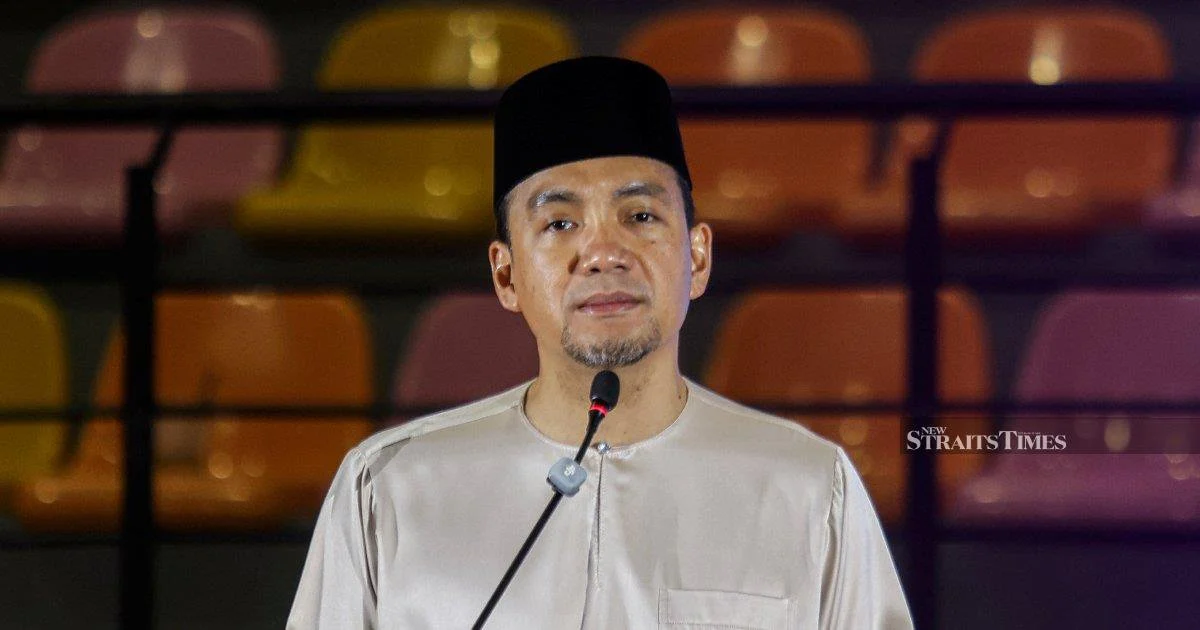
Johor's Chief Minister has signalled his administration's readiness to launch a comprehensive investigation into Network School after allegations emerged regarding the institution's alleged connections to Israeli interests. The directive represents the state government's firm stance that no organisation will be permitted to operate within Johor if its activities or ideological orientation undermine the state's legal framework, territorial sovereignty, or broader national interests.
The announcement comes amid heightened scrutiny of educational institutions across Malaysia, particularly those with international affiliations or funding sources. Network School, as an educational entity, has suddenly found itself at the centre of a politically sensitive inquiry that touches on Malaysia's longstanding position regarding Middle Eastern affairs and the Palestinian question. The investigation, once formally launched, will likely examine the institution's governance structure, funding sources, curriculum content, and any organisational ties that might constitute grounds for concern from a state security or ideological perspective.
The Johor Chief Minister's intervention signals that state governments in Malaysia retain significant authority over educational institutions operating within their jurisdictions. While Malaysia's federal structure typically allows the federal government to oversee education policy through the Ministry of Education, state governments possess considerable discretionary power to regulate institutions that may pose perceived threats to state interests or social harmony. This assertion of state authority reflects a broader pattern across Malaysian governance whereby regional administrations increasingly scrutinise foreign influences on local institutions.
The reference to ideologies conflicting with Malaysian law carries particular weight in Malaysia's constitutional and legal context. The country maintains strict laws governing sedition, national security, and public order, alongside constitutional provisions protecting Islam's position and Malaysia's federal monarchy. Any organisation perceived as promoting ideologies contradictory to these foundational elements faces potential regulatory action. The investigation into Network School will likely examine whether its educational philosophy, teaching materials, or leadership align with these constitutional safeguards.
Sovereign concerns also underpin the Chief Minister's statement. Malaysia has historically maintained a cautious stance towards Israeli interests, reflecting both the country's Muslim-majority population and its diplomatic alignment with broader Arab and Islamic positions on Middle Eastern geopolitics. Educational institutions with Israeli connections may be viewed as potential vehicles for normalising or promoting perspectives on this sensitive issue that conflict with Malaysia's official diplomatic posture and public consensus. The investigation will probably scrutinise whether Network School's alleged Israeli links could influence its curriculum or institutional values in ways deemed problematic.
For Malaysian educators and parents, this development underscores the regulatory environment surrounding foreign-linked schools and educational ventures. International schools and institutions with overseas connections operate throughout Malaysia, yet those with Israeli affiliations face particular vulnerability to government scrutiny given the country's political climate. Institutions seeking to operate effectively in this environment must demonstrate clear alignment with Malaysian constitutional values and national interests while maintaining transparent governance and funding mechanisms.
The investigation also carries implications for Malaysia's broader relationship with international education standards and cross-border academic partnerships. While Malaysia benefits considerably from international educational collaboration and foreign investment in its education sector, the government maintains the prerogative to restrict associations it deems incompatible with national interests. This creates a complex terrain for educational entrepreneurs and institutions navigating between internationalisation and localisation imperatives.
From a Southeast Asian perspective, Johor's action reflects how individual Malaysian states are increasingly assertive in protecting what they define as their interests and values. As Malaysia's economically dynamic southern state with significant trade ties and a strategic geographic position, Johor's decisions regarding institutional governance carry regional implications. Other Southeast Asian jurisdictions may observe this investigation as a potential template for how to manage educational institutions with controversial international linkages.
The Chief Minister's statement also speaks to persistent public concern about foreign ideological influences in Malaysian institutions. Civil society organisations and political actors across the Malaysian spectrum have periodically voiced anxieties about international organisations operating in Malaysia without sufficient transparency or local accountability. By initiating this investigation, the Johor government responds to these concerns while simultaneously asserting that regional authorities take their protective responsibilities seriously.
Moving forward, Network School will face a critical period requiring institutional transparency and engagement with state authorities. The investigation's scope and findings will likely set precedents for how other Malaysian states approach similar concerns regarding educational institutions with international connections. Educational leaders throughout Malaysia will be watching closely to understand what standards and documentation state governments now expect from institutions with foreign affiliations, particularly those involving Middle Eastern or Israeli entities.

