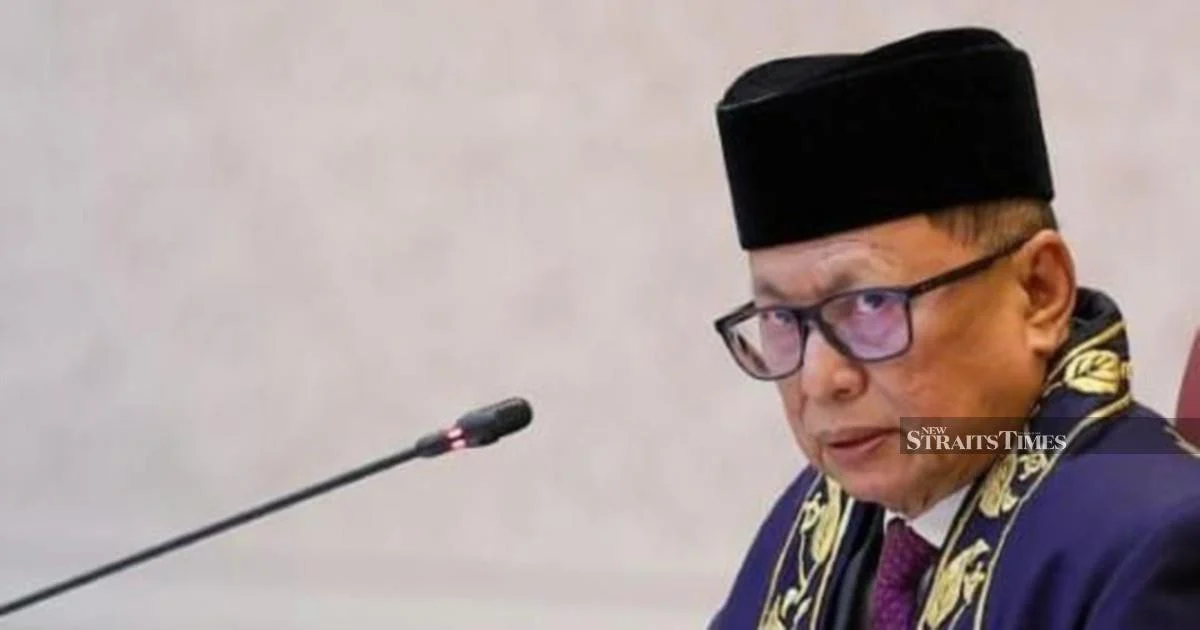
At a gathering in Pontian, the Johor PKR leadership threw down a gauntlet to Datuk Dr Mohd Puad Zarkashi, the veteran Umno figure who previously held a seat on the party's supreme council. The party representatives challenged him to produce concrete evidence supporting his recent assertions that the royal institution has wielded improper influence over Johor's political landscape. This confrontation represents an escalation in the ongoing disputes over governance and institutional boundaries that have characterised Malaysian politics in recent years, particularly as questions about the appropriate role of traditional authorities in electoral and parliamentary affairs continue to draw national scrutiny.
The challenge issued by Johor PKR strikes at a sensitive intersection of Malaysian political discourse. Discussions involving the monarchy and its potential involvement in state-level decision-making touch upon constitutional conventions, respect for institutions, and questions about where legitimate influence ends and overreach begins. By calling for tangible evidence rather than accepting such claims at face value, Johor PKR has signalled that it will not permit unsubstantiated allegations to shape public perception of the palace's role in Johor's governance structure.
For Malaysian observers accustomed to cautious public commentary around royal institutions, the directness of Johor PKR's stance reflects changing dynamics within the political arena. Opposition and ruling coalition parties alike have become increasingly willing to engage in pointed criticism of how state and federal authorities exercise influence. Johor, as Malaysia's southernmost peninsula state and a traditional Umno stronghold with significant strategic importance, remains a focal point for such disputes. The state has witnessed considerable political turbulence over the past few years, with shifts in coalitional alignments and leadership transitions that have generated substantive debate about decision-making processes.
Datak Dr Mohd Puad Zarkashi occupies an interesting position within Umno's constellation. His background in the party and presence on its supreme council would ordinarily lend weight to his observations about internal party matters and state-level politics. However, Johor PKR's refusal to accept his claims without evidence reflects a broader principle: that political allegations merit scrutiny regardless of the speaker's credentials or institutional affiliations. This approach echoes demands increasingly common across Malaysian politics for greater transparency and accountability in governance.
The strategic context underlying this confrontation deserves examination. Johor has functioned as a crucial political arena where federal and state-level dynamics intersect. Control of the state legislature carries implications not merely for local administration but for the broader coalition mathematics that determines federal government composition. Against this backdrop, claims about royal involvement in state politics take on heightened significance. Any genuine interference in electoral or appointment processes would constitute a substantive departure from constitutional conventions that most Malaysian legal scholars understand to limit the palace to ceremonial functions, albeit important ones.
The nature of Datuk Dr Mohd Puad Zarkashi's original allegations remains central to evaluating Johor PKR's challenge. Without examining the specific claims he advanced, one cannot fully assess whether Johor PKR's demand for evidence represents a proportionate response or an attempt to deflect criticism. Nonetheless, the principle underlying the challenge—that political assertions require substantiation—stands as important for maintaining standards of public discourse during a period when unverified claims proliferate rapidly through digital channels.
Regionally, Malaysia's experience with questions about royal institutional boundaries holds relevance beyond its borders. Other monarchies across Southeast Asia and the Commonwealth navigate similar tensions between institutional tradition and democratic governance. How Malaysian politicians and institutions handle such questions may influence broader regional understandings of appropriate constitutional development.
For Johor's residents and voters, the underlying substantive question matters considerably. If the palace has genuinely interfered in state political processes, this would represent a significant breach requiring public attention and remedial measures. Conversely, if allegations prove unfounded, clarifying this point protects institutional integrity and prevents erosion of constitutional conventions through false accusations. Either way, transparency serves public interest.
The challenge from Johor PKR also carries implications for how Malaysian political parties manage internal narratives and leadership messaging. Former prominent figures retain platforms and audience attention; their public statements shape perceptions among party members and the broader public. When such figures make significant political allegations, competing parties face choices about whether to engage directly, dismiss the claims, or demand substantiation. Johor PKR's chosen approach signals confidence in its position and refusal to cede ground by treating unproven claims as established fact.
Looking forward, the outcome of this exchange may influence how political disputes in Johor unfold. Should Datuk Dr Mohd Puad Zarkashi provide evidence supporting his contentions, it would potentially trigger investigations or reckonings with institutional prerogatives. Should he decline to substantiate his claims or produce insufficient evidence, the incident may reinforce perceptions that some political figures advance allegations more for rhetorical effect than grounded analysis. Either possibility carries consequences for Johor's political culture and public trust in institutional arrangements.
Ultimately, the Johor PKR challenge represents more than a localised party dispute. It reflects contemporary Malaysian political culture's wrestling with institutional boundaries, the balance between tradition and democratic accountability, and standards for public discourse. As Malaysia's political landscape continues evolving, how stakeholders engage with such fundamental questions about governance legitimacy and institutional propriety will shape both immediate state-level outcomes and longer-term constitutional development.

