Police in Johor have endorsed the vast majority of campaign activity permits submitted in connection with the 16th state election, signalling that the administrative machinery supporting the electoral process has proceeded smoothly despite the logistical demands of managing thousands of concurrent political gatherings. Between June 27 and July 8, the Johor police force processed 4,368 permit applications for political talks and campaign events, approving 4,053 of them—a success rate exceeding 92 per cent. The approval figures demonstrate the police's capacity to balance operational efficiency with security oversight during an election cycle that will determine the composition of the state legislature and shape the political landscape of the country's southernmost peninsula for years to come.
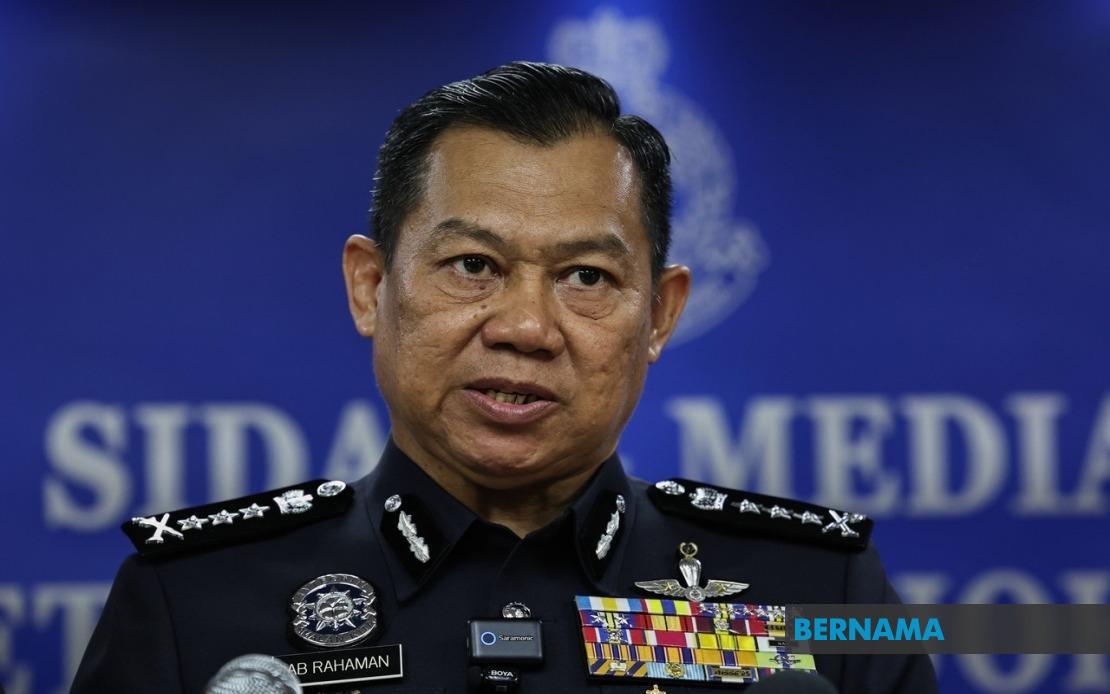
Johor police chief Datuk Ab Rahaman Arsad reported that the final two days of this period proved particularly intensive, with 884 permit applications submitted on July 7 and 8 alone. Of those last-minute filings, 838 received approval, indicating that applicants generally adjusted their submissions to align with police requirements. The rapid processing of such a large batch of applications in so short a timeframe underscores the coordination efforts deployed by law enforcement to facilitate democratic participation whilst maintaining public safety. Such streamlined approval procedures are crucial in election periods, as delays in permitting campaign activities can inadvertently suppress political engagement or create perceptions of administrative bias.
Despite the high approval rate, police scrutiny of campaign conduct has remained vigilant. The Johor constabulary opened 22 investigation papers into alleged election offences across the June 27 to July 8 window, a figure that reflects active monitoring of political activity rather than mere rubber-stamping of campaign plans. These investigations span multiple legal frameworks, including the Election Offences Act 1954, the Penal Code, and the Communications and Multimedia Act 1998. The breadth of legislation under which cases have been registered suggests that election violations in Johor have taken varied forms, from rhetoric crossing the line into incitement to property damage and social media misconduct.
One notable investigation addresses allegations of promoting ill will or hostility under Section 4A(1) of the Election Offences Act 1954, an offence designed to prevent campaigns that stoke communal tension or undermine social cohesion. In a diverse state such as Johor, where communities of varied ethnic and religious backgrounds coexist, such provisions carry particular significance. The opening of investigation papers on these grounds suggests that monitors detected campaign messaging deemed capable of inflaming sensitivities. Given Malaysia's experience with electoral periods triggering communal friction, police action to check such conduct represents a preventive measure integral to maintaining the social stability upon which free and fair elections depend.
Additional investigation papers opened during this period addressed allegations of defamation and improper use of network facilities under Section 500 of the Penal Code and Section 233 of the Communications and Multimedia Act 1998. The invocation of these provisions reflects the digital dimension that elections now occupy; campaign material spreads instantly across social platforms, and the line between robust political criticism and unlawful defamation can blur rapidly. Two further investigations were registered under Section 427 of the Penal Code for alleged mischief resulting in damage to property, suggesting that physical campaign infrastructure—banners, signage, and promotional materials—became flashpoints for alleged criminal conduct.
Across the entire monitoring period, police recorded 73 reports of alleged election offences, approximately triple the number of investigation papers opened. This gap between reports filed and formal investigations commenced indicates that many complaints do not meet the threshold for criminal proceeding, or that police conduct preliminary assessments before deciding to formalise investigations. The discipline required to distinguish between reportable grievances and prosecutable offences is essential to prevent the apparatus of state law enforcement from becoming weaponised against political opposition during elections. Datuk Ab Rahaman's assertion that violations would be handled with firmness, fairness and integrity carries weight only if enforcement demonstrates consistency and restraint.
The Johor police's public disclosure of these enforcement figures serves multiple audiences. For the electorate, it signals that authorities are monitoring compliance with electoral law and will act against violations. For candidates and campaign teams, it provides notice that activities flagged by the public will receive official attention. For observers of Malaysian democracy, the statistics offer a window into the conduct of campaigns and the scope of police enforcement during electoral periods. The relative modesty of the offence figures—fewer than 200 reports per week across a state of eight million people—might suggest that campaigning has proceeded with reasonable discipline, or conversely that reporting mechanisms remain underutilised or that enforcement has been selective.
Johor holds particular significance in Malaysian politics as a bastion of support for major parties and a state where electoral contests often foreshadow national trends. The management of campaign permits and election offences in Johor therefore carries implications beyond state boundaries. If police enforcement is perceived as even-handed and responsive to violations regardless of perpetrator, public confidence in the integrity of the electoral process strengthens. Conversely, if enforcement patterns suggest favouritism towards certain political camps, the legitimacy of the election outcome may be questioned even if the technical results are accurate. The challenge for law enforcement during elections lies precisely in this terrain: acting decisively against genuine violations whilst avoiding the appearance of political alignment.
The approval of 4,053 campaign permits also reflects the vitality of electoral competition in Johor. The scale of permit applications testifies to the commitment of political organisations to conduct public campaigns, organise grassroots engagement, and mobilise supporters through face-to-face contact. This physical dimension of campaigning remains central to Malaysian elections, despite growing sophistication in digital political communication. The police's capacity to process thousands of permit applications whilst investigating alleged offences demonstrates that election administration in Malaysia encompasses both facilitation of political activity and enforcement of electoral rules—a balance that democratic systems must strike to function effectively.
Datuk Ab Rahaman's statement that the security and public order situation remained under control throughout the election period provides reassurance to the broader public that the state will not descend into chaos as political competition intensifies. This assertion merits attention not as mere official reassurance but as a snapshot of how police perceive their mandate during elections. Maintaining order and security provides the foundation upon which democratic elections rest; without it, voters cannot safely access polling places, candidates cannot campaign without fear, and election officials cannot perform their duties. The police chief's framing of election management as fundamentally an exercise in order maintenance reflects one perspective on the role of law enforcement in democracy, though others might emphasise police obligations to protect rights and facilitate political freedoms with equal vigour.
The investigation papers opened under various statutes reveal the ways in which election offences in contemporary Malaysian politics intersect with digital communication, property disputes, and questions of inflammatory speech. The Communications and Multimedia Act provisions invoked suggest that online campaign conduct has warranted formal investigation, reflecting the reality that campaigns increasingly play out on social media platforms where false claims and personal attacks proliferate with minimal friction. The property damage investigations point to ground-level conflicts over campaign space, a phenomenon that persists even as campaigns grow more sophisticated. The hostility promotion investigations underscore the enduring concern that elections might trigger communal division if campaign rhetoric exploits sensitivities.
As the 16th Johor state election unfolds, the permit approvals and enforcement actions documented by police provide a partial sketch of how campaigns have proceeded and how authorities have responded to alleged misconduct. The approval of the overwhelming majority of campaign permit applications suggests that political organisations broadly complied with administrative requirements, whilst the opening of investigation papers indicates that police are detecting and responding to alleged violations. The ultimate measure of police performance during elections lies not merely in statistics but in whether all political camps experience equitable treatment, voters perceive fairness, and the election results are accepted as legitimate expressions of democratic choice.

