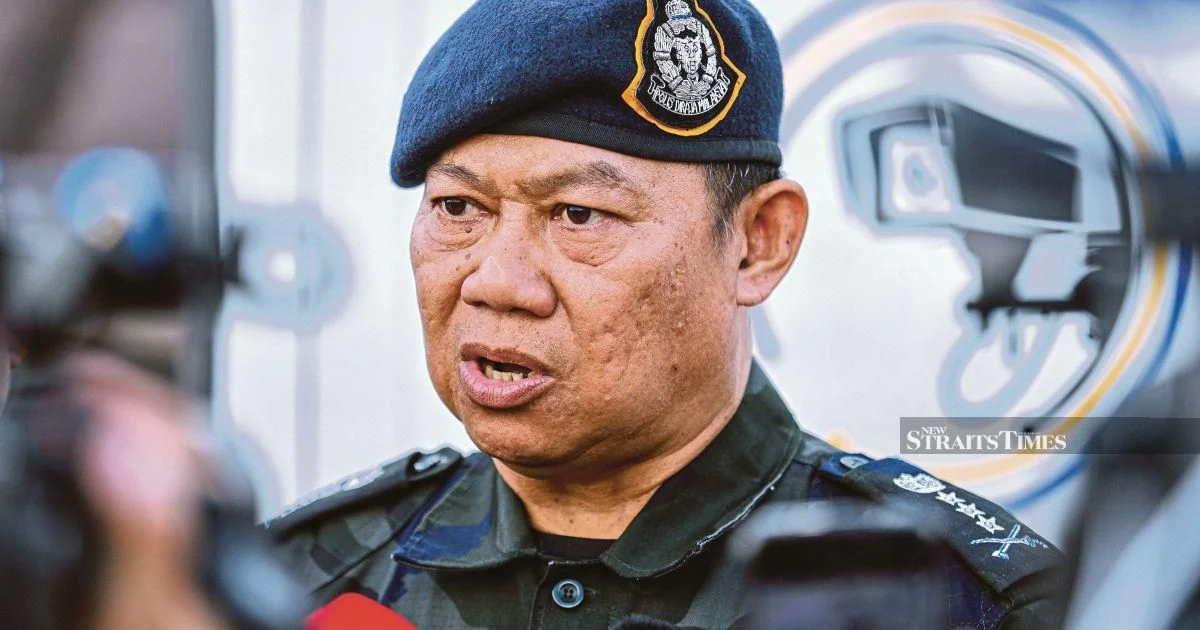
Law enforcement in Johor has begun formal investigations into three separate cases stemming from the seven election-related complaints lodged with police since nomination day commenced. The development underscores the heightened scrutiny that authorities are placing on campaign activities across the state during this critical political period.
The decision to investigate only three of the seven reports reflects a careful assessment by police of which allegations warrant formal action. While the exact nature of the remaining four complaints has not been detailed, the selective approach suggests that authorities are distinguishing between serious breaches and matters that may not reach the threshold for investigation. This measured response is typical in electoral periods when complaints often range in severity and merit.
Nomination day marks the official beginning of the election campaign period, triggering stricter regulatory oversight of political activities. During this window, authorities are tasked with enforcing electoral laws covering everything from campaign finance and advertising regulations to public order and decorum. The volume of complaints received already indicates heightened public awareness of electoral rules, even if most allegations do not warrant formal investigation.
Johor, as the nation's second-most populous state and a crucial political battleground, frequently witnesses intense electoral contests. The state's significance in national politics means that poll integrity and compliance with election standards receive particular attention from both enforcement agencies and the public. A smooth election process in Johor sets the tone for broader regional confidence in the democratic process.
The complaints mechanism itself serves as an important check within Malaysia's electoral framework. Allowing voters and observers to lodge reports with police creates an avenue for addressing potential violations, though authorities must balance responsiveness with avoiding overreach. The fact that only three investigations were opened suggests police are applying rigorous standards in determining which complaints contain sufficient grounds for formal action.
Background checks and preliminary assessment of complaints typically occur before investigation papers are formally opened. This filtering process helps police allocate resources efficiently and maintain credibility by pursuing only allegations with substantive merit. The decision-making process reflects established protocols that govern how electoral complaints are handled throughout Malaysia's general election procedures.
Campaign periods have historically witnessed tensions between political actors and regulators. In Johor specifically, past elections have occasionally generated complaints about campaign finance irregularities, illegal political gatherings, or improper use of government resources. The current investigation papers likely address similar categories of concerns, though specific details remain undisclosed during the investigative stage.
For Malaysian voters and regional observers, the police response carries implications for assessing whether the electoral environment remains level and fair. A perception of impartial and effective enforcement of election rules strengthens public confidence in results. Conversely, perceived selective enforcement or inaction on complaints can generate suspicions about electoral integrity. The transparency with which authorities handle these investigations thus matters beyond the immediate cases.
The timing of these complaints and investigations also reflects the intensity that campaign seasons generate. As various political factions mobilize supporters and escalate messaging, instances of alleged rule-breaking tend to multiply. Police forces across Malaysia typically experience increased demand on their resources during nomination periods and active campaign phases. Johor's police must balance investigating electoral complaints with their regular law enforcement responsibilities.
Move forward, the outcomes of the three investigations will be watched closely by political parties, election observers, and the public. Convictions or substantiated findings could set precedents for how electoral violations are addressed in subsequent contests. Conversely, if investigations conclude without action, they may prompt discussions about the adequacy of electoral regulations or enforcement mechanisms.
The electoral commission and law enforcement agencies in Malaysia maintain coordination during such periods to ensure consistent application of rules across all states and federal territories. Johor's experience with these seven complaints and three investigations contributes to a broader national picture of electoral compliance and enforcement during the campaign phase. The state's management of these matters influences perceptions about whether Malaysia's democratic processes meet international standards for fairness and integrity.
As Johor's election campaign progresses, additional complaints may yet be filed with police. The pattern of reports received thus far establishes a baseline for comparing electoral conduct in this contest with previous cycles. Whether the three investigations yield significant findings or conclude without action, the process demonstrates that mechanisms exist for addressing alleged breaches, an essential component of functional electoral systems.

