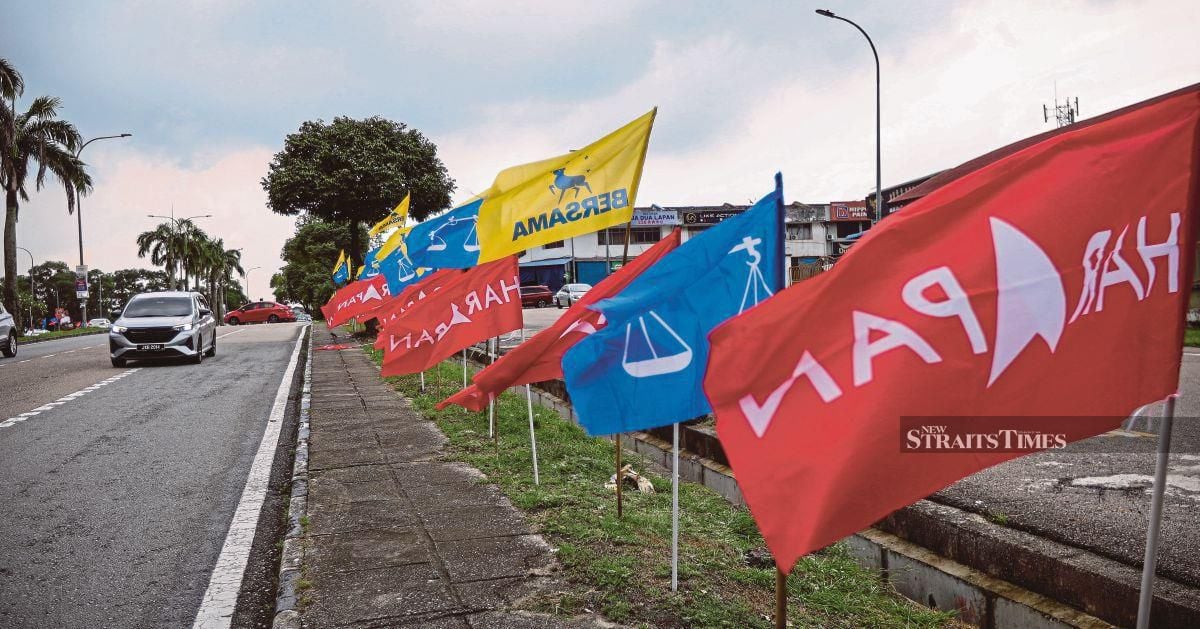
Police in Johor have begun formal investigations into 18 separate cases involving suspected violations of election law, following a surge in public complaints lodged during the state's 16th electoral campaign. The police force registered a total of 56 reports pertaining to alleged misconduct throughout the campaign period, which commenced on July 27 and concluded recently. This enforcement action underscores the challenges authorities face in maintaining electoral integrity during periods of heightened political activity, when candidates and their supporters frequently operate at the margins of permissible campaign behaviour.
The decision to convert 56 reports into 18 formal investigation dossiers suggests that police have applied a filtering process, consolidating related allegations or focusing resources on the most substantial claims. The specificity of this discrepancy—roughly one investigation initiated for every three reports received—indicates that many complaints may have lacked sufficient detail or evidence to warrant independent cases, or that police have grouped related incidents under single investigative umbrellas. This methodological approach is common in Malaysian law enforcement, particularly when dealing with distributed offences that occur across multiple constituencies or involve multiple participants in coordinated activities.
Election offences in Malaysia typically encompass a broad spectrum of infractions, ranging from minor procedural violations to serious misconduct that could undermine the fundamental integrity of the democratic process. These may include fraudulent claims about candidates or opponents, unauthorised use of government resources for campaign purposes, violations of campaign finance regulations, distribution of materials that breach electoral guidelines, and activities that constitute undue influence over voters. The breadth of potential violations means that interpreting and enforcing election law requires careful judgment from enforcement agencies.
The timing and scale of this enforcement activity carries particular significance for Malaysia's electoral system. Johor, as the nation's second-largest state by population and one of its most politically competitive regions, serves as a significant testing ground for electoral management practices. Investigations launched during or immediately after campaign periods provide valuable insights into how well existing regulations are understood and observed by candidates, political parties, and their campaign machinery. The fact that police deemed 18 cases substantial enough for formal investigation suggests that serious breaches of conduct may have occurred, rather than merely technical or procedural oversights.
For Malaysian voters and observers tracking electoral integrity, the initiation of these investigations reflects a broader enforcement landscape that has become increasingly visible in recent years. The willingness of police to open multiple concurrent probes signals that authorities are not treating election law violations as trivial matters, though the relationship between reports filed and investigations launched also raises questions about investigation thresholds. Understanding what qualifies a report for full investigation—as opposed to summary closure or informal warning—remains somewhat opaque in Malaysia's law enforcement procedures, creating room for debate about consistency and transparency in application.
The political implications of these investigations extend beyond the immediate conduct of campaigning. Johor's election carries weight throughout Malaysia because it influences national political dynamics, coalition arrangements, and the balance of power within the federal government. Allegations of electoral misconduct, if substantiated, could potentially affect perceptions of legitimacy regarding outcomes and the mandate of winning parties. Conversely, vigorous investigation demonstrates that electoral authorities take their regulatory responsibilities seriously, even when this creates friction with powerful political actors.
The investigations also reflect evolving patterns in how Malaysian voters engage with electoral oversight mechanisms. The fact that 56 complaints were filed suggests that citizens are increasingly willing to report suspected violations, either because awareness of election law has improved or because more visible monitoring and earlier complaints have become normalised. This grassroots engagement with electoral accountability mechanisms, while creating workload pressures on enforcement agencies, ultimately strengthens the foundation of the electoral system by embedding vigilance throughout society.
Looking forward, the outcomes of these 18 investigations will carry implications that extend beyond the immediate campaign period. Prosecutions, if they follow, will establish precedent regarding what conduct authorities consider unacceptable and what penalties offenders might face. Conversely, cases that are dropped or result in acquittals will signal to future candidates where boundaries between permissible and impermissible behaviour actually lie in practice, which may differ from the letter of law. This feedback loop between enforcement and behaviour shapes how election laws function in reality.
For Southeast Asian observers, Malaysia's approach to electoral law enforcement offers lessons in both institutional challenges and possibilities. The region's democracies vary considerably in how rigorously they pursue election-related offences, and Malaysia's visible pursuit of 18 investigations demonstrates a commitment to accountability that is not universal across the region. However, the region also grapples with similar tensions between the desire for effective enforcement and concerns about selective prosecution or using electoral law as a tool of political advantage, issues that these Johor investigations will inevitably touch upon as they proceed.

