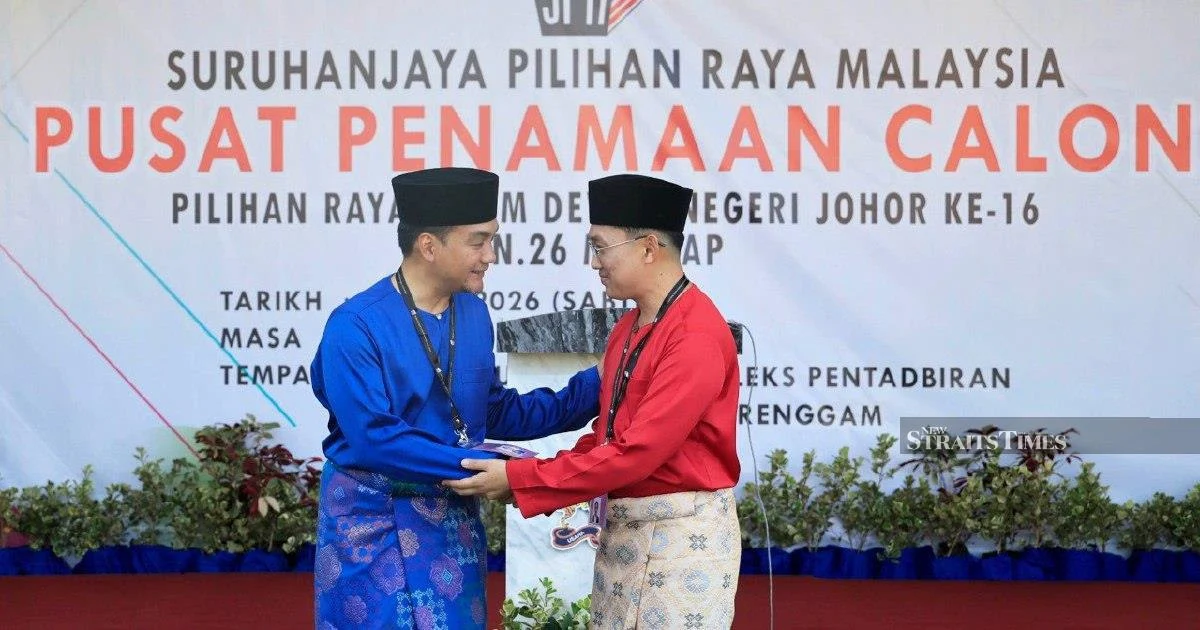
Johor's caretaker Menteri Besar Datuk Onn Hafiz Ghazi has sounded a note of caution ahead of the state election on July 11, insisting that political outcomes remain unpredictable and that his bid for a second term cannot be assured. Speaking at Simpang Renggam, the seasoned politician underscored the need for his supporters to maintain momentum and avoid the complacency that can often derail electoral campaigns.
Onn Hafiz's remarks reflect a broader reality in Malaysian politics: no contest is truly settled until votes are counted and results declared. The Machap state seat, which falls under his electoral purview, has emerged as a focal point in Johor's electoral calculations, and the Menteri Besar's cautious stance suggests that internal assessments may indicate a tighter race than surface-level indicators might suggest. His comments serve as a reminder to party machinery that grassroots work remains essential even when polling organisations or informal surveys indicate favourability.
The July 11 election represents a significant moment for the Barisan Nasional-led state government in Johor. Having secured victory in previous contests, the incumbent administration faces the perpetual challenge facing governing coalitions worldwide: sustaining electoral support amid evolving voter sentiment and demographic shifts. Onn Hafiz's acknowledgement that "anything can happen" reflects mature political understanding that voter behaviour in Malaysia has become increasingly volatile over the past decade, particularly following the dramatic changes witnessed in 2018 and subsequent years.
Johor's electoral dynamics carry implications beyond the state itself. As Malaysia's second-largest state by population and a crucial economic contributor, developments in Johor elections often reverberate through national politics. The state has historically served as a barometer for Barisan Nasional strength, and any unexpectedly close or surprising results could shape perceptions of the coalition's broader electoral prospects at the national level. For opposition parties, Johor similarly represents an opportunity to test their organisational capabilities and messaging in a politically significant arena.
The Machap constituency itself warrants attention as it appears to be contested vigorously by multiple political forces. State elections in Malaysia, unlike their federal counterparts, sometimes produce unexpected outcomes because they operate under different dynamics than national parliamentary campaigns. Local issues, incumbent performance on constituency-level matters, and community concerns often weigh more heavily than broader national narratives. Onn Hafiz's emphasis on this unpredictability suggests his team recognises these local factors carry considerable weight with constituents.
Onn Hafiz's stewardship of Johor has encompassed a range of development initiatives and governance priorities that likely feature prominently in campaign messaging. His second-term bid reflects confidence in his record, yet the cautionary tone adopted suggests awareness that electoral momentum cannot be taken as given. The relationship between development delivery and electoral support remains complex; citizens vote not merely on past performance but on future expectations and comparative evaluations of alternative leadership.
The role of ground-level political machinery in Malaysian elections cannot be overstated, and the Menteri Besar's caution appears directed partly at ensuring party structures maintain disciplined, intensive campaigning efforts throughout the campaign period. Complacency among supporters and party workers has historically cost political parties dearly in Malaysian elections, and the warning seems calibrated to prevent such outcomes from repeating in Johor.
Electoral participation rates and turnout patterns will significantly influence the July 11 results. Malaysian voters, particularly in state elections, show variable attendance at polling centres, and campaigns that successfully mobilise their core supporters often outperform those that assume automatic support. Onn Hafiz's remarks implicitly acknowledge this reality, emphasising that securing victory requires sustained organisational effort and voter engagement up to and including polling day.
The broader political environment in Malaysia at the time of the Johor election merits consideration. National-level developments, coalition dynamics, and public sentiment regarding governance at federal and state levels all filter into voter decision-making at the state ballot box. Johor voters, like their counterparts elsewhere, do not compartmentalise their political views; assessments of Johor state governance occur within the context of their overall evaluation of political stability, economic performance, and leadership quality across governance layers.
Onn Hafiz's positioning as caretaker Menteri Besar grants him certain incumbent advantages but does not guarantee electoral victory. The caretaker period itself, with its restrictions on official announcements of new projects or programmes, creates a particular environment where campaign messaging must emphasise past achievements rather than future promises. This context shapes the character of state electoral contests during dissolution periods.
The political composition of Johor's legislature following July 11 will partly determine the state's governance trajectory over the subsequent term. Whether Onn Hafiz secures re-election, which coalition holds the majority, and which constituencies shift allegiance will collectively shape policy direction, development priorities, and political dynamics within Malaysia's second state. The Menteri Besar's cautionary comments underscore that this outcome remains genuinely uncertain, and that the campaign period ahead will prove decisive in determining the verdict that Johor voters deliver.

