Johor's nomination process for the 16th state election unfolded without disruption on June 27, with all 56 nomination centres conducting proceedings smoothly throughout the day. The incident-free conduct of this crucial initial phase signals an orderly start to what will be a closely watched electoral contest in one of Malaysia's most politically significant states. Johor police chief Datuk Ab Rahaman Arsad confirmed that no reports of disturbances had reached authorities, underscoring the effectiveness of security measures put in place ahead of the electoral calendar.
The police deployment for the nomination process was substantial, reflecting the importance placed on maintaining electoral integrity. A total of 4,832 police officers and personnel were stationed across polling venues to monitor proceedings and respond swiftly to any potential flashpoints. This level of mobilisation demonstrates the seriousness with which law enforcement agencies approached the task of safeguarding the democratic process, particularly given the political stakes involved in a Johor election where the ruling coalition's control faces scrutiny from opposition challengers.
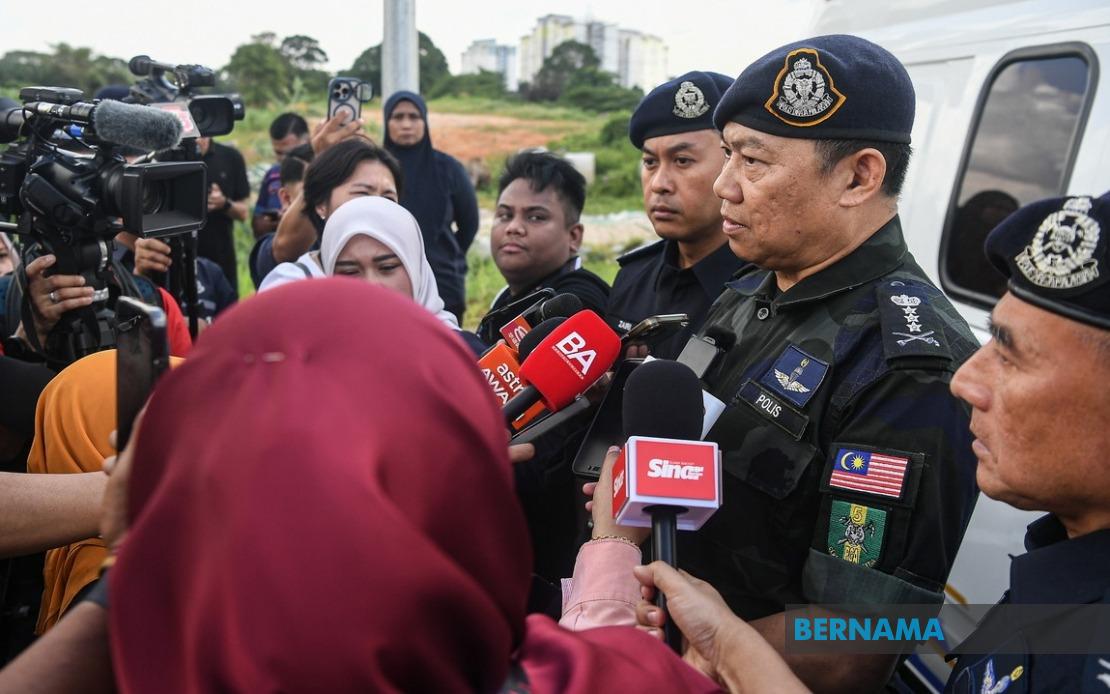
Datuk Ab Rahaman, speaking after observing the nomination at Puteri Wangsa in Bandar Dato Onn, provided updates on the campaign machinery already taking shape. Election authorities had by that point approved 26 campaign permits across the state, with expectations that additional permits would be issued as the campaign period progressed. This measured issuance of permits reflects the need to balance the right to campaign with public order considerations, a delicate equilibrium that Malaysian electoral administrators have refined through successive election cycles.
The police chief's remarks extended beyond mere factual reporting to encompass explicit reminders about candidate and party conduct during the campaign phase. Datuk Ab Rahaman urged all contenders to exercise responsibility in their campaigning activities and to remain within the bounds of electoral laws and regulations. These warnings carried particular weight given historical instances where state and national elections have seen heated rhetoric and occasional clashes between rival camps, issues that remain live concerns for electoral administrators planning security operations.
Beyond procedural compliance, Datuk Ab Rahaman flagged concerns about actions that could threaten public order more broadly. The warning reflected awareness that electoral campaigns, particularly in a state as politically competitive as Johor, can generate tensions that occasionally spill into public spaces in ways unintended by official party machinery. The pre-emptive messaging aimed to establish clear boundaries for acceptable conduct and signal that enforcement mechanisms would be activated if infractions occurred.
The scale of police preparedness extended to contingency planning for the campaign period stretching ahead. Rather than winding down security operations after the nomination process concluded, the force indicated readiness to sustain vigilance throughout campaigning and into polling day itself. This sustained posture reflected lessons learned from previous electoral exercises and an acknowledgment that the period between candidate nomination and the actual vote remains prone to occasional disorder if careful management lapses.
The Electoral Commission's timetable provided structure to the election cycle ahead. Early voting was scheduled for July 7, allowing certain eligible groups—including election workers and those unable to vote on the main polling day—to cast ballots. The main election day followed four days later on July 11, compressing the campaign period into a relatively short window. This compressed timeline meant candidates had roughly two weeks to build support through conventional campaigning activities, a constraint that shapes strategy and intensity across competing camps.
The Johor election carries broader implications for Malaysian politics beyond the state itself. As the second-largest contributor to federal government revenues and a state with significant strategic importance to Kuala Lumpur, electoral outcomes in Johor influence national political calculations. The ruling Barisan Nasional coalition's performance in this contest would send signals about electoral momentum heading into any future federal election, while opposition gains would demonstrate capacity to expand influence beyond strongholds in Selangor and Penang.
For Malaysian voters and observers, the smooth nomination process offered an encouraging opening to what would be an extended campaign season. The absence of incidents—whether physical clashes, administrative failures, or security breaches—suggested that electoral machinery was functioning as designed. However, the road from nomination to polling day remained lengthy, and history cautioned that subsequent phases of any election cycle could develop unexpected complications requiring careful management by authorities and restraint from political competitors seeking advantage through aggressive tactics.
The deployment of nearly 5,000 police personnel underscored that maintaining electoral order in a state as populous and politically engaged as Johor demands substantial resources and coordinated planning. The visible security presence served dual purposes: practical prevention of potential disorder and symbolic reinforcement of state authority's commitment to protecting democratic processes. As campaigning intensified in the weeks ahead, this security apparatus would remain activated, ready to distinguish between legitimate political activity and conduct that crossed into illegality or threatened public peace.

