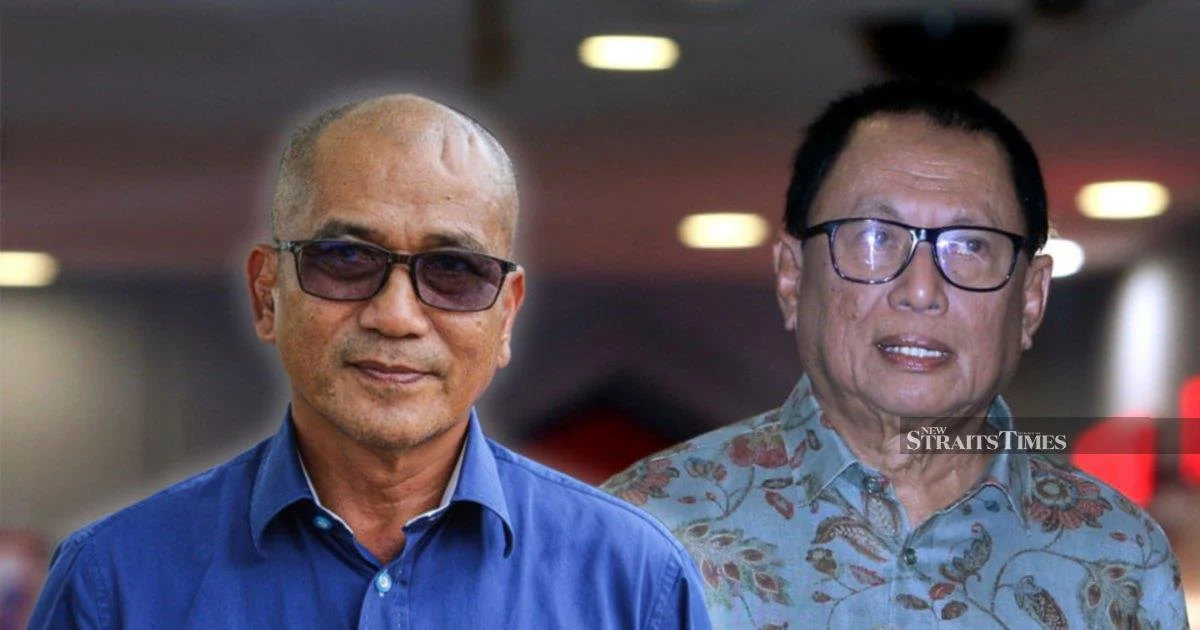
Senior figures within Johor's Umno machinery have moved swiftly to rebut accusations leveled by Datuk Dr Mohd Puad Zarkashi, the former speaker of the state legislative assembly, relating to the dissolution of the chamber on June 1. The state party leadership has characterized the claims as grave slander, signaling an escalating dispute within the party hierarchy over the circumstances surrounding one of Johor's most significant recent political events.
The dissolution of the Johor state assembly marked a pivotal moment in the state's political landscape, triggering a sequence of events that would reshape the electoral calendar and test the cohesion of the ruling coalition. The timing and justification for the decision had already proven contentious in political circles, with various factions offering competing narratives about the motivations behind the move.
Puad Zarkashi's role as the former speaker positioned him as a senior figure with intimate knowledge of the assembly's operations and the political dynamics at play during the lead-up to the dissolution. His decision to voice concerns publicly has introduced a dimension of internal party criticism that Umno leadership clearly views as threatening to its unified front. The characterization of his statements as slander suggests the party intends to pursue a combative response rather than engage substantively with the underlying allegations.
The fracture within Johor Umno reflects broader tensions that have periodically surfaced within Malaysia's dominant party, particularly when major political decisions face scrutiny from within the ranks. Questions about governance, procedural propriety, and the motivations of senior leadership can prove damaging if allowed to fester without resolution, potentially weakening party discipline and public confidence.
For Malaysian observers and political analysts, the dispute underscores the vulnerability of party unity even among establishment institutions with deep roots and substantial organizational capacity. Umno's ability to present a cohesive narrative around significant decisions remains crucial to its legitimacy and electoral prospects. When prominent former officeholders challenge that narrative, it signals fissures that opposition parties and rival coalitions can potentially exploit.
The June 1 assembly dissolution itself warrants examination as a contextual element. Such decisions typically involve complex political calculations, including assessments of electoral advantage, timing considerations relative to federal politics, and internal party dynamics. Former speakers, given their constitutional position and parliamentary experience, often retain institutional memory and detailed knowledge that can either vindicate or complicate the official rationale offered by party leadership.
Puad Zarkashi's willingness to speak publicly against Umno represents a notable departure from typical party discipline expectations. His intervention suggests either a fundamental disagreement with how the dissolution was handled or a conviction that public accountability matters more than maintaining internal party solidarity. Whether his allegations involve procedural irregularities, political opportunism, or substantive governance concerns remains a question for observers seeking clarity.
The Johor Umno response, characterized by dismissal and accusation of slander rather than detailed rebuttal, may itself prove consequential. In the information age, when party insiders can appeal directly to the public through media and social platforms, blanket denials without specific counterarguments can appear evasive. This risks amplifying rather than containing the controversy, particularly among voters concerned about institutional integrity.
For Johor voters and the broader Malaysian electorate, these internal disputes carry implications for how they assess party reliability and sincerity. Political parties that manage internal disagreements transparently and substantively tend to preserve public trust more effectively than those that rely on accusations and categorical rejections. The manner in which Johor Umno handles this matter will likely influence perceptions of its governance standards beyond the immediate controversy.
The timing of this dispute also matters. As Malaysian politics continues to shift with ongoing coalition realignments and electoral cycles, parties must maintain internal cohesion to maximize their influence. Visible fractures between senior figures and current leadership invite questions about decision-making processes and accountability that can resonate beyond the immediate issue at hand.
Beyond the specific allegations and responses lies a broader question about how Umno, as Malaysia's traditional party of government, manages dissent and criticism from within its ranks. Whether the party can absorb and address legitimate concerns while maintaining unity, or whether it will continue to treat internal criticism as betrayal, will shape its political trajectory and public standing in the years ahead.

