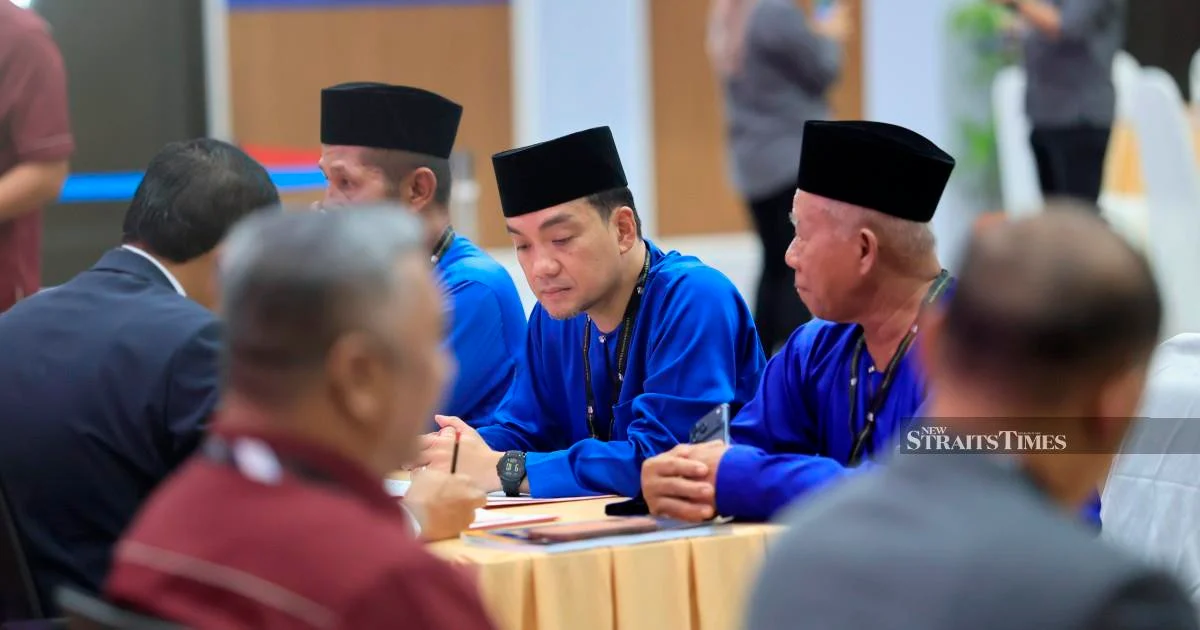
The nomination phase of Johor's 16th state election has officially ended, with all 56 nomination centres across the state closing their doors simultaneously at 10am today. This marks a critical juncture in the electoral calendar, as political parties and independent candidates transition from the submission phase into the campaign period. The closure of nomination centres represents the deadline beyond which no fresh candidates can register to contest in the upcoming state assembly polls.
The widespread network of nomination centres deployed throughout Johor reflects the logistical complexity of managing elections across Malaysia's second-largest state by population. With 56 centres operating concurrently in constituencies spanning urban centres like Johor Baru and more remote districts, electoral authorities ensured accessibility for candidates regardless of geographic location. The coordinated closure at a specific time ensures uniform adherence to electoral rules and prevents any disputes over late submissions.
This nomination closure sets the stage for the next phase of the electoral process, which typically includes scrutiny of nominations, withdrawal deadlines for candidates who reconsider their participation, and ultimately the announcement of the final list of contenders. During this interim period, the Election Commission will verify that all nominations meet constitutional and procedural requirements, disqualifying any that contain irregularities or fail to comply with electoral guidelines.
For Malaysian political observers, the Johor election carries significant weight beyond the state level. As one of Malaysia's most politically dynamic states, shifts in voter preferences or party performance in Johor often signal broader trends affecting national politics. The composition of candidates nominated across party lines and constituencies provides early insight into how different coalitions are strategising ahead of inevitable parliamentary elections, whether at state or federal level.
The 16th Johor election represents another cycle in the state's distinctive political trajectory. Johor has historically served as a bellwether for Malaysian politics, and developments here frequently reverberate across the federation. Analysts and political strategists will scrutinise the final list of approved candidates for clues about party strength, internal alliances, and the competitive landscape heading into the campaign phase.
With the nomination period now closed, parties and candidates enter the formal campaign season, during which they must observe electoral rules governing spending, media engagement, and public gatherings. The Election Commission will have begun tallying the total number of candidates who successfully filed nominations, which will inform public understanding of the overall contestation in the state election.
Independent candidates and representatives from both ruling coalition and opposition parties will have submitted their applications during the nomination period. The final tally will reveal how many seats are being contested unopposed—a relatively rare occurrence in modern Malaysian elections but one that occasionally occurs when consensus candidates emerge or when parties choose strategic non-participation in certain constituencies.
The closure of nomination centres also signals an administrative shift. Electoral staff who managed the submission process will now focus on verifying documents and preparing nomination records for public scrutiny and formal announcement. Candidates and their agents will begin detailed campaign planning, having officially committed to their electoral participation by submitting nomination papers.
For voters across Johor, the nomination closure marks the beginning of a period in which they will encounter intensified political messaging, campaign events, and advocacy from competing candidates and parties. The timing of nomination closure to formal polling day—typically several weeks—provides the electorate sufficient opportunity to assess candidates and make informed choices.
The 56 nomination centres collectively processed applications from candidates spanning diverse political affiliations, representing Malaysia's multiparty system in action. This diversity of candidates reflects Johor's political pluralism and the competitive nature of state-level democracy in the federation. The nomination process itself, though purely administrative in character, underscores the structural framework within which Malaysian electoral competition occurs.
As the state election progresses from nomination through campaigning toward polling day, attention will focus on campaign strategies, policy platforms, and voter sentiment across different constituencies. The successful completion of the nomination phase represents a procedural milestone, but the substantive contest for Johor's political direction is only beginning.

