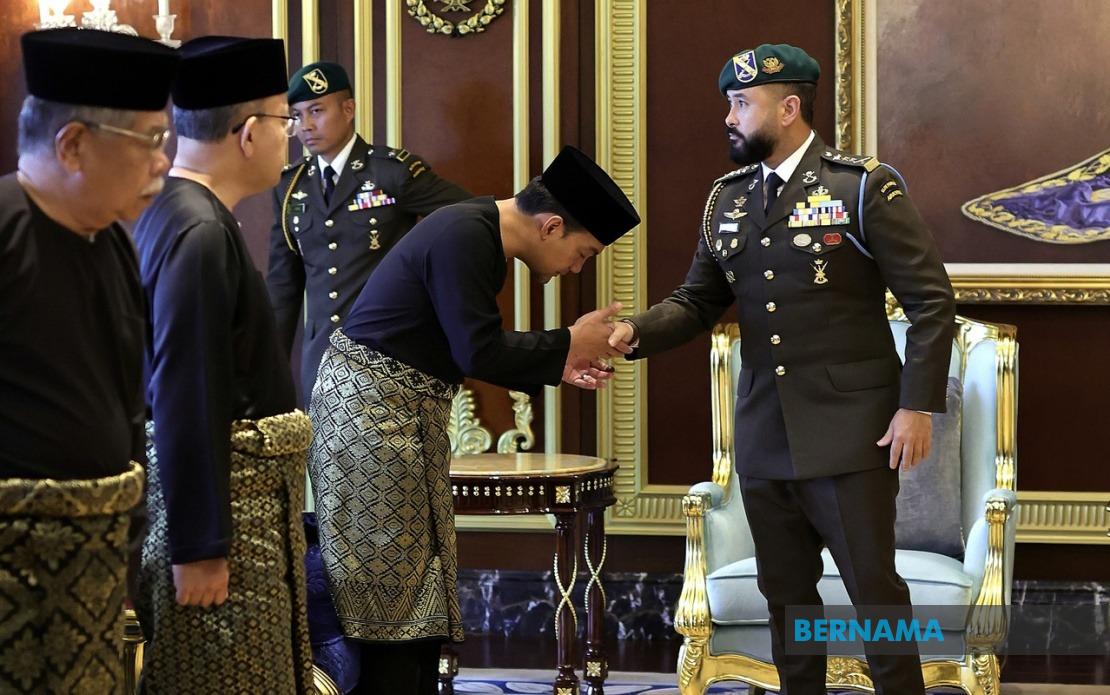
The newly constituted Johor State Executive Council (Exco) will take their oath of office in a formal ceremony at Istana Bukit Serene in Johor Bahru tomorrow, marking the official commencement of the state administration's fresh mandate following a decisive electoral victory. The swearing-in ceremony will be presided over by the Regent of Johor, Tunku Mahkota Ismail, underscoring the constitutional significance of the event in Malaysia's Westminster-inspired governance framework.
The event carries particular importance as it formally establishes the new executive structure of Johor's state government following the 16th Johor State Election held last Saturday. Menteri Besar Datuk Onn Hafiz Ghazi, who was himself sworn in for a new term just four days earlier on July 12, will lead the Exco members through the constitutional process. The swift succession of swearing-in ceremonies reflects the procedural requirements governing state government formation in Malaysia, where the chief minister must first take office before the cabinet ministers can formally assume their executive responsibilities.
Barisan Nasional's commanding performance in the recent state election has provided the political foundation for this new administration. The coalition secured 48 of the 56 available seats in the state legislature, delivering a substantial mandate that gives the Menteri Besar considerable flexibility in governing and implementing the coalition's policy agenda. This electoral outcome represents a significant endorsement from Johor voters and positions the state government with the numerical strength necessary to pursue its legislative programme without dependency on independent representatives or opposition support.
The presence of senior state officials at tomorrow's ceremony underscores the formal nature of the occasion. The Johor Council of Royal Court president Datuk Dr Abdul Rahim Ramli and state secretary Datuk Mohammed Ridha Abd Kadir will be in attendance, alongside invited media representatives who will have access to cover proceedings from both main palace entrances beginning at 9.30 am. This structured media access reflects Malaysia's constitutional convention that such formal swearing-in ceremonies are matters of public record and democratic transparency.
For Malaysian political observers, the composition of the new Exco will signal the Menteri Besar's priorities and strategic approach to governance. Cabinet appointments typically reveal how a chief minister intends to balance competing interests within the ruling coalition, reward electoral contributions from party divisions, and position different factions for the state administration's tenure. The specific ministerial portfolios assigned to Exco members will become apparent during the ceremony, providing insights into how Onn Hafiz Ghazi plans to allocate executive responsibility across Johor's priority areas including economic development, education, health, and infrastructure.
The timing of the ceremony, just days after the chief minister's own swearing-in, reflects established constitutional procedure in Malaysian states. Chief ministers must first take the oath individually before their cabinet members can do likewise, ensuring the constitutional hierarchy is properly observed. This sequencing has been consistently followed across Malaysian state governments and represents a fundamental aspect of how executive authority is formally transmitted within the federation's federal-state structure.
For Johor specifically, this new administration inherits both opportunities and challenges. The state, as Malaysia's second-largest in terms of economic contribution, faces continued demands for infrastructure development, job creation, and service delivery improvements. The Exco will be responsible for driving state development initiatives, overseeing major industrial zones, and managing the implementation of state-level policies that affect millions of residents and businesses operating across Johor's diverse economy ranging from manufacturing and petrochemicals to agriculture and tourism.
The electoral context provides the new government with political momentum. Barisan Nasional's 48-seat majority exceeds the 28-seat simple majority required for government formation, giving the administration a comfortable working margin within the state assembly. This numerical advantage typically allows governments greater flexibility in legislative matters and reduces vulnerability to backbench rebellions or defections that could compromise executive authority. However, political dynamics in Malaysian state politics remain fluid, and maintaining coalition cohesion remains an ongoing concern for state administrations.
Looking ahead, the composition and priorities of the new Exco will shape Johor's policy direction for the next legislative term. The formal swearing-in tomorrow represents not merely a ceremonial milestone but the constitutional moment when appointed ministers assume executive responsibility for their respective portfolios. Their subsequent performance in delivering state services, managing public finances, and advancing development projects will ultimately determine whether the electoral confidence Barisan Nasional received translates into tangible improvements in governance and public welfare that resonate with Johor voters.

