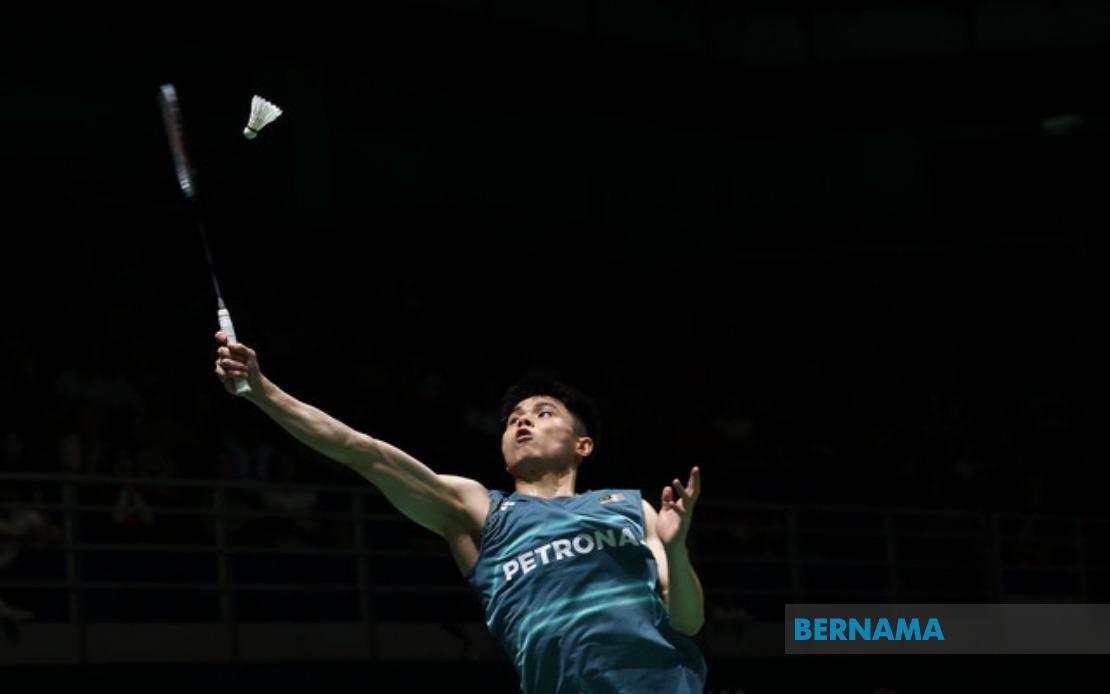
Malaysia's rising badminton prospect Justin Hoh is approaching his inaugural appearance at the 2026 BWF World Championships in New Delhi with a pragmatic mindset, determined to extract maximum value from the experience regardless of venue conditions. The 22-year-old shuttler will compete in the men's singles event from August 17 to 23, a milestone moment in his career that comes amid growing expectations from Malaysian badminton enthusiasts. Speaking at the Academy Badminton Malaysia facility in Kuala Lumpur, Justin stressed that rather than fixating on potential environmental obstacles, he would concentrate his efforts on meticulous preparation and mental readiness.
Hosting international badminton tournaments in India presents peculiar logistical and infrastructural challenges that have become notorious in the sport. The January edition of the India Open faced considerable backlash when organisers were unable to maintain basic sanitary standards at the Indira Gandhi Sports Complex, where officials documented bird droppings contaminating practice courts and monkeys freely roaming facility corridors. These incidents underscore a pattern of venue management issues that competing nations have raised with increasing frequency. For Malaysian players accustomed to the well-maintained courts and professional standards of facilities like the Badminton Association of Malaysia venue, adapting to such conditions requires not merely physical capability but also psychological resilience and meticulous contingency planning.
Justin's previous exposure to Indian competition environments has furnished him with practical insights that will inform his strategy for New Delhi. He emphasised that serious competitors cannot rely on venue facilities to meet dietary requirements and sanitation standards, necessitating a self-sufficiency approach. By bringing personal food supplies and maintaining strict hygiene protocols independent of local infrastructure, athletes reduce variables that could undermine performance during crucial matches. This preparatory methodology represents hard-earned wisdom from Malaysia's badminton contingent, which has periodically encountered administrative complications at South Asian tournaments that could have derailed competitive focus had proper precautions not been implemented beforehand.
While acknowledging that organisers typically undertake improvements before major championship events, Justin remained realistic about the unpredictability characteristic of hosting arrangements in India. The upcoming World Championships represents a significant fixture in international badminton, and tournament organisers typically elevate standards compared to regular-season tournaments. Nevertheless, the shadow of the India Open's sanitation debacle lingers, prompting players to approach venue conditions with cautious scepticism rather than optimistic assumption. This institutional wariness reflects broader patterns within the Asian badminton circuit, where reputation and previous performance record substantially influence athlete confidence in host country management capabilities.
Justin's competitive positioning for the tournament remains uncertain regarding potential opening-round matchups and the broader draw architecture. The 22-year-old acknowledged that his seeding could pit him against higher-ranked opponents immediately, presenting a formidable entry-level challenge typical for players making their World Championships debuts. Rather than expressing anxiety about this prospect, he framed early difficult matches as inherent to the tournament experience. This philosophical approach suggests maturity beyond his years, reflecting the mental conditioning increasingly demanded in professional badminton where psychological disposition often determines outcomes as decisively as technical proficiency.
Malaysian men's singles players operate perpetually under intense public scrutiny, a consequence of the nation's historical dominance in the discipline and corresponding social expectations. The badminton-loving Malaysian public maintains exacting standards for national representatives, generating commentary that ranges from encouraging to harshly critical depending on tournament outcomes and perceived effort levels. Justin recognised this pressure dynamic openly, declining to characterise public expectations as solely burdensome while conversely refusing to minimise their psychological weight. Instead, he positioned scrutiny as motivational catalyst, a reframing that enables athletes to channel external pressure constructively rather than allowing it to induce performance anxiety or defensive resentment.
The young shuttler deliberately avoided establishing medal-specific targets for his World Championships debut, a strategic psychological approach designed to prevent preoccupation with particular outcomes from compromising present-moment focus. Instead, Justin articulated a dual mindset combining aspirational intent with developmental perspective, maintaining that a medal would represent gratifying validation while simultaneously conceptualising the entire tournament as an educational opportunity within the longer arc of his competitive trajectory. This temporal framings common among emerging athletes negotiating the transition from domestic prominence to international elite competition, where the psychological distance between first appearance and sustained excellence across multiple tournaments often exceeds public appreciation.
Malaysia's badminton infrastructure and training programmes, anchored by facilities like the Academy Badminton Malaysia where Justin trained, have maintained regional competitiveness despite increasing concentration of resources and talent development in nations like China and Indonesia. The domestic badminton ecosystem continues producing technically proficient athletes capable of competing at world championship level, though breakthrough performances remain calibrated against historical benchmarks established during Malaysia's earlier dominance in men's singles disciplines. Justin's progression toward World Championships competition represents continuation of this tradition, though contemporary competition intensity has elevated the difficulty threshold substantially compared to previous decades.
The conditioning demands of international badminton tournaments extend beyond physical endurance and technical execution to encompass cultural adaptation and logistical navigation in unfamiliar environments. For Malaysian athletes whose domestic competition cycle has evolved within relatively standardised facility and organisational parameters, international exposure introduces variables requiring flexibility and problem-solving capacity alongside conventional athletic preparation. Justin's candidness about bringing personal provisions and maintaining independent hygiene standards demonstrates the sophisticated preparation environment management that contemporary professional badminton demands, particularly when competing in venues with documented infrastructural inconsistencies.
Justin's trajectory toward the World Championships occurs within Malaysia's broader badminton landscape, characterised by competitive depth in women's disciplines contrasting with relative volatility in men's singles representation. His development as a national representative carries implications extending beyond individual tournament performance to encompass Malaysia's capacity to maintain men's singles competitiveness internationally. The country's shuttlers will scrutinise his performance as an indicator of emerging talent development effectiveness and potential for rebuilding men's singles resilience at highest competitive levels. This contextualising framework positions Justin's New Delhi appearance within longer-term national badminton strategy rather than as isolated tournament participation.
As preparations intensify during August's final weeks before the New Delhi tournament commences, Justin will refine technical elements while simultaneously managing the psychological dimensions of maiden World Championships participation. His statements reflect commendable realism regarding environmental challenges, deliberate avoidance of counterproductive pressure through self-imposed medal mandates, and recognition that elite international badminton demands holistic preparation extending beyond conventional training methodologies. The federation's investment in his development will crystallise into measurable outcomes when matches commence in New Delhi, providing Malaysian badminton stakeholders with evidence regarding youth talent progression and competitive viability at championship levels.

