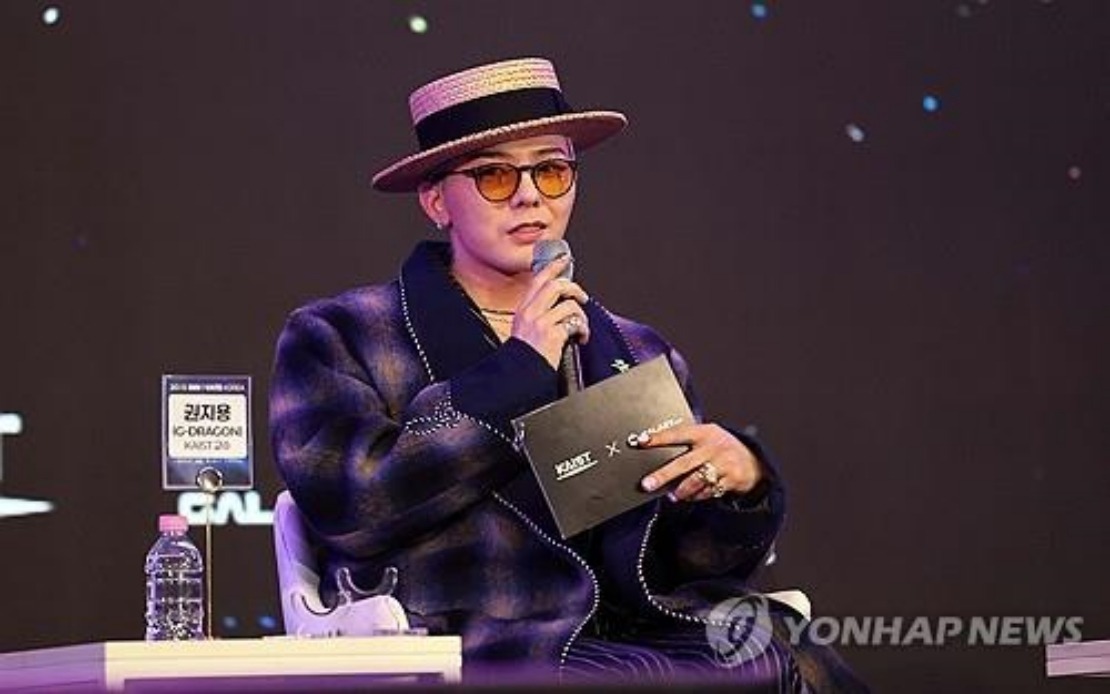
South Korea is preparing to welcome the UNESCO World Heritage Committee to Busan for the first time in nearly four decades, and the country has enlisted one of its most globally recognised cultural figures to champion the event. G-Dragon, the 37-year-old rapper and musician whose real name is Kwon Ji-yong, will serve as the honorary ambassador for the 48th session of the committee, running from July 19-29 in the southeastern port city. The appointment underscores how Seoul views the international gathering as an opportunity to leverage cultural soft power while advancing its commitment to heritage preservation and conservation on the world stage.
The Korea Heritage Service announced the honour on Friday, recognising G-Dragon's standing as an artist whose influence transcends the boundaries of K-pop entertainment. Over the past two decades, he has evolved from a musician into a broader cultural ambassador, wielding considerable influence in shaping perceptions of South Korean creativity and values globally. The agency's statement highlighted his long track record of championing public-interest causes and using his platform to address pressing social concerns through artistic expression, positioning him as the logical choice to represent the nation at this significant UNESCO gathering.
The selection reflects a deliberate strategy by Seoul to enhance the visibility and accessibility of the World Heritage Committee's mission among younger audiences and international constituencies. The committee represents one of UNESCO's most consequential bodies, wielding the authority to designate new World Heritage sites and determine which cultural and natural treasures receive international protection and funding. By enlisting a figure with G-Dragon's global reach—particularly among millennials and Gen Z consumers across Asia and beyond—organisers aim to broaden public engagement with heritage conservation beyond academic and governmental circles.
For South Korea specifically, hosting the session carries symbolic weight. The nation joined the World Heritage Convention in 1988 but has never previously hosted the committee's annual gathering. This inaugural opportunity demonstrates the country's growing standing within international cultural governance and its commitment to advancing the UNESCO agenda. The selection of G-Dragon as ambassador amplifies this message, signalling that heritage protection is not merely the domain of officials and scholars but a cause that can inspire contemporary cultural leaders and mobilise broader social participation.
G-Dragon's humanitarian credentials have substantially strengthened in recent years, particularly through his establishment of the JusPeace Foundation in 2024. Rather than simply accepting the honorary title, the artist made a significant personal contribution by donating his music copyrights to the foundation, a gesture that transcends typical celebrity patronage. The foundation's name deliberately combines "justice" and "peace," reflecting its dual focus on social responsibility and conflict resolution. As its honorary chairman, G-Dragon has positioned himself as actively invested in translating his artistic success into tangible social impact, a trajectory that validates his appointment to this international role.
Central to his ambassadorial responsibilities will be championing a joint initiative between his foundation and UNESCO called "Heritage in Peace." Launching next Friday, the campaign seeks to mobilise individuals, corporations, and municipal governments around the shared objective of protecting World Heritage sites threatened by escalating pressures. Armed conflict, accelerating climate change, and catastrophic natural disasters increasingly endanger sites that represent humanity's collective cultural memory and irreplaceable natural ecosystems. By framing heritage protection as a peace-building endeavour, the campaign positions cultural preservation as integral to broader stability and human flourishing rather than merely an aesthetic concern.
The financial dimension of the campaign carries particular significance for developing nations and fragile states where heritage sites face the most acute threats. Resources generated through "Heritage in Peace" will feed directly into the World Heritage Fund, providing critical support for conservation and restoration projects at sites vulnerable to destruction. This mechanism becomes especially relevant for Southeast Asian nations, where numerous UNESCO-designated properties—from Angkor Wat in Cambodia to Indonesia's Komodo National Park—face mounting environmental and infrastructural pressures. Malaysian readers should note that such funding mechanisms can eventually benefit regional heritage sites, including those awaiting World Heritage designation.
G-Dragon's participation will extend beyond ceremonial appearances. He is expected to feature prominently in promotional content and campaign events, where he will articulate a message centred on "peace through culture and participation." This messaging strategy recognises that heritage protection succeeds not through top-down mandates but through cultivating genuine popular investment in preservation. By deploying his communication skills and artistic credibility, G-Dragon can frame World Heritage conservation as an expression of shared human values rather than an externally imposed obligation, potentially shifting how younger generations perceive cultural stewardship.
The appointment also reflects G-Dragon's track record in accepting ambassadorial responsibilities that align with his evolving public persona. Last year, he served as honorary ambassador for the Asia-Pacific Economic Cooperation summit in Gyeongju, where he performed at a welcome dinner for participating leaders. That experience demonstrated his capacity to move seamlessly between entertainment and diplomatic contexts, commanding respect across both cultural and governmental spheres. His ability to connect with audiences while maintaining credibility among policymakers makes him a rare asset for international organisations seeking to bridge the gap between popular culture and serious global governance.
For Southeast Asia, this development carries broader implications regarding how the region's heritage sites intersect with international cultural diplomacy. As South Korea solidifies its position as a leader in leveraging cultural assets for diplomatic purposes, other regional nations may evaluate their own approaches to heritage preservation and international cultural engagement. The appointment signals that UNESCO increasingly recognises the value of contemporary entertainment figures in advancing conservation agendas, a shift that could influence how heritage initiatives are promoted and funded across the region in coming years.
G-Dragon's statement accompanying the announcement—"World heritage is a shared asset that must be protected by all humanity"—encapsulates the philosophical foundation underlying both his appointment and the "Heritage in Peace" campaign. This framing transcends national boundaries and emphasises collective responsibility, resonating particularly in an era marked by transnational challenges from climate change to geopolitical instability. By positioning heritage protection as a universal human imperative rather than a parochial national concern, the campaign potentially unlocks support from constituencies that might otherwise view UNESCO initiatives as distant from their immediate concerns.

