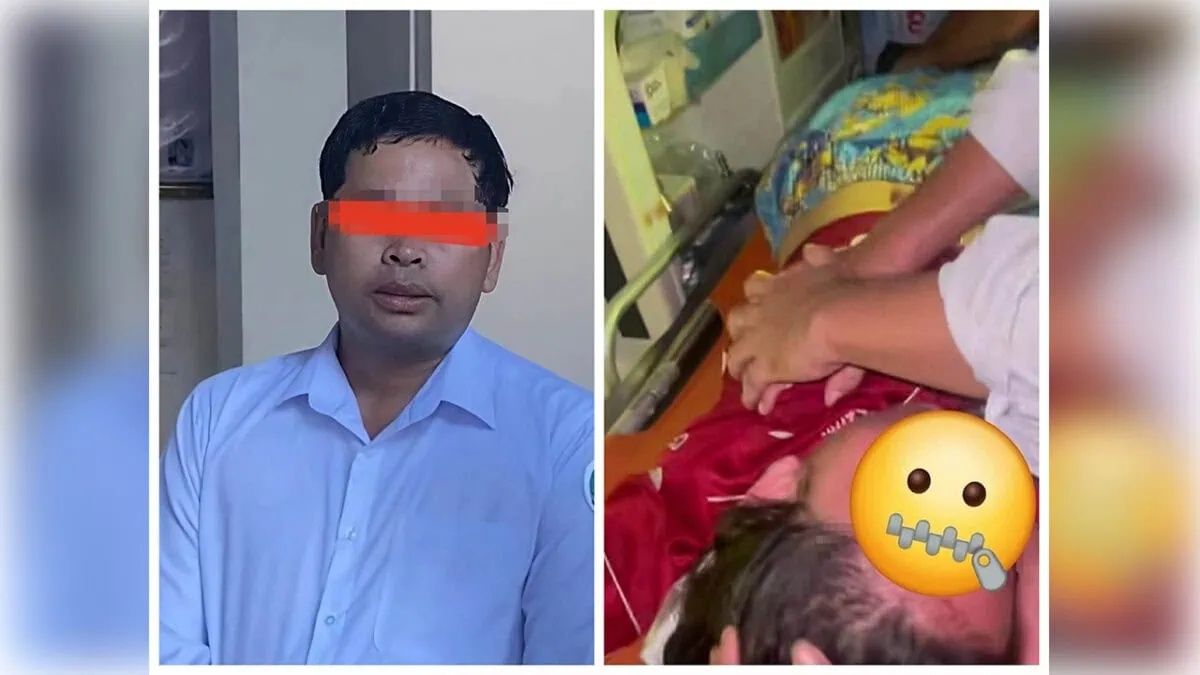
The head of Setbo Health Centre in Cambodia's Kandal province has been stripped of his leadership role following intense public scrutiny triggered by a video showing emergency medical treatment that spread rapidly across social media platforms. Provincial Governor Kuoch Chamroeun issued the administrative order on Tuesday, August 4, formally relieving Chhun Phally of his position as health centre chief. The decision, which took immediate effect, reassigned Phally to serve in a lower-ranking capacity within the provincial health administration structure, marking a significant demotion following the controversy.
The sequence of events began when a relative of a 17-year-old patient recorded footage of medical personnel attending to the teenager during a health emergency. The girl had been brought to Setbo Health Centre experiencing severe seizures and respiratory distress. The family member initially documented the treatment to relay information about the patient's condition to other relatives, a common practice in regions with limited telecommunications. However, the video subsequently circulated widely through social media channels, generating substantial public discussion and criticism about the appropriateness of the medical response.
Public reaction to the footage centred on concerns about patient dignity and the adequacy of medical procedures employed during the emergency response. Social media users raised questions about whether the treatment administered aligned with established healthcare protocols and international standards for emergency medical care. Multiple commenters alleged that the manner in which the patient was handled constituted harassment and violated fundamental principles of patient respect and bodily autonomy. These accusations triggered broader conversations about professional standards within Cambodia's healthcare sector and the degree to which vulnerable patients, particularly minors, receive appropriate protection during medical emergencies.
The provincial government's response came amid mounting pressure from public opinion rather than from formal complaints channelled through official channels. While Governor Chamroeun's administrative order did not explicitly articulate the grounds for Phally's removal, the timing clearly indicated that the decision responded to the viral video controversy and the accompanying public criticism. The swift action demonstrated the administration's sensitivity to reputational damage and public sentiment, though it left several critical questions unresolved regarding the actual circumstances and the appropriateness of the original medical intervention.
Kandal's provincial health department initiated a formal investigation to determine whether established medical procedures were followed and to assess whether any professional misconduct or ethical violations had occurred. Acting Provincial Health Director Kiem Piseth indicated that the inquiry would evaluate compliance with professional standards and examine the conduct of healthcare personnel involved in the incident. Notably, Piseth signalled that potential consequences extended beyond administrative measures, with legal action representing a possible outcome should the investigation substantiate allegations of sexual harassment or other serious misconduct. This statement suggested that authorities were taking the matter seriously and willing to pursue criminal accountability if warranted by the findings.
In response to the intensifying criticism, Chhun Phally issued a public statement addressing the controversy and apologising for any distress caused to the patient and her family. He maintained that his actions throughout the medical emergency were guided entirely by the imperative to preserve the teenager's life and did not reflect any intention toward sexual harassment or inappropriate behaviour. Phally characterised the gap between his intentions and public perception as a misunderstanding rooted in the unavoidable challenges inherent in providing emergency medical care under pressured circumstances. His statement represented an attempt to restore his reputation while accepting the removal from his position.
The incident illuminates persistent challenges within Cambodia's healthcare system regarding professional ethics, patient protection, and the balance between emergency medical necessity and respect for patient dignity. The ease with which the video spread through social media channels underscores how digital platforms have transformed public oversight of professional conduct and institutional accountability. For healthcare workers and administrators across Southeast Asia, the case demonstrates the heightened scrutiny now applied to medical practice in the digital age, where emergency procedures once confined to private clinical settings can rapidly become subjects of mass public debate and judgment.
The controversy also reflects broader regional concerns about safeguarding vulnerable populations, particularly minors, within healthcare environments. Across Southeast Asia, questions persist about whether healthcare facilities maintain adequate training, supervision, and accountability mechanisms to ensure that emergency procedures prioritise patient welfare and dignity alongside medical efficacy. The case raises important questions about informed consent in emergency situations and whether families should be notified before recording and sharing medical treatment footage on public platforms. These considerations carry implications for healthcare policy and practice throughout the region.
As authorities continue their investigation, the ultimate determination of whether Phally's conduct warranted removal, disciplinary action, or legal prosecution remains pending. The case outcome will likely influence how other healthcare facilities in Cambodia and neighbouring countries approach emergency medical procedures involving minors and design their protocols for patient protection during high-stress situations. The incident serves as a reminder that healthcare professionals must navigate the complex terrain of providing effective emergency treatment while maintaining scrupulous attention to patient dignity, privacy, and protection from exploitation. Regional healthcare systems may increasingly need to develop clearer guidelines addressing these competing demands and establishing stronger oversight mechanisms to ensure that emergency medical responses meet both clinical standards and ethical expectations.

