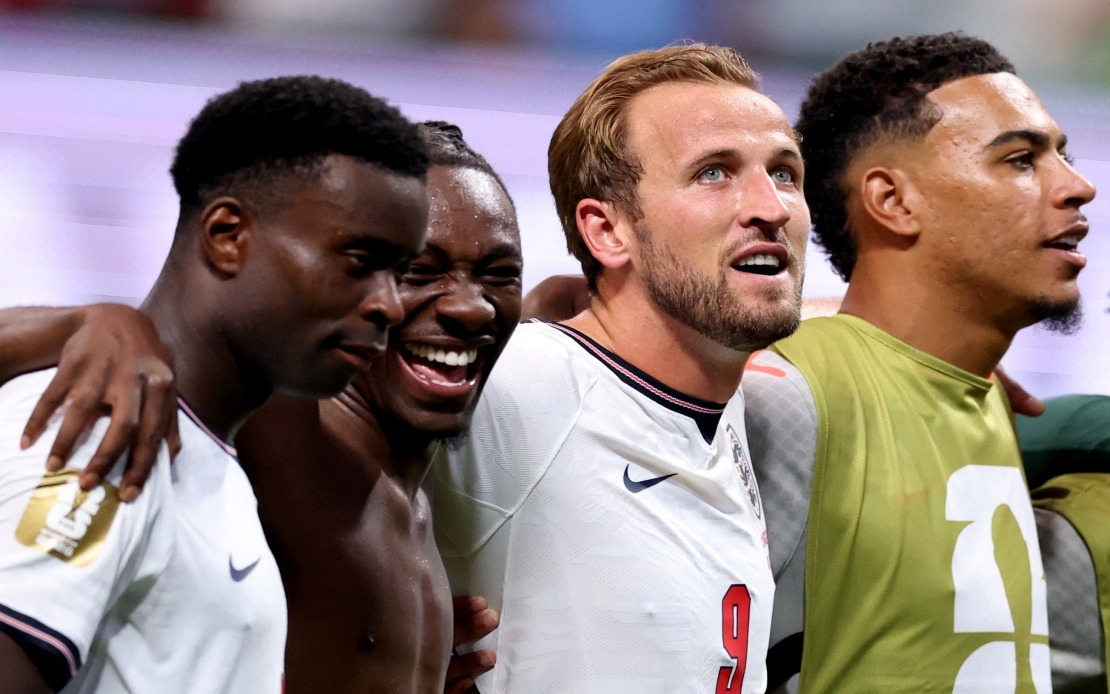
England's World Cup campaign survived a genuine moment of peril on Wednesday evening when captain Harry Kane emerged as an unlikely saviour, striking twice in the second half to overturn an early deficit and secure a 2-1 triumph over the Democratic Republic of the Congo in Atlanta. The victory, engineered under the stewardship of Thomas Tuchel, sets up a tantalising last-16 encounter with co-hosts Mexico, though the manner of the performance will have exposed deep concerns about the team's resilience against organised opposition.
The script that unfolded in the opening exchanges carried uncomfortable echoes of recent English football trauma. A decade removed from the humiliating Euros exit to Iceland, the prospect of an early exit to another unfancied opponent suddenly felt disturbingly plausible when Brian Cipenga's composed finish handed Congo the lead in the first half. The shock of falling behind shifted the complexion of the match entirely, forcing England to navigate the remainder of the contest under pressure—a situation that has historically tested their temperament at major tournaments.
Congo's performance throughout the opening period demonstrated that smaller football nations continue to evolve tactically and technically. The African side's defensive organisation consistently disrupted England's rhythm, forcing hurried passes and preventing the fluidity that typically characterises their attacking play. Goalkeeper Lionel Mpasi proved particularly inspired between the posts, making several crucial interventions that might have eased England's passage through the match had fortune favoured the favourites more generously. The combination of Congo's tactical discipline and England's uncharacteristic sloppiness created a contest that swung heavily in the underdog's favour for large stretches.
England's defending throughout the first half raised pointed questions about their structural vulnerability. Congo's attackers operated with noticeable freedom, particularly on the flanks, and Yoane Wissa came perilously close to extending the lead when his effort struck the goal frame. Meanwhile, Kane's appeals for a penalty went unheeded by the match officials, compounding the sense that England's luck was running against them. These moments accumulated to create a mounting anxiety both on the pitch and among supporters, the kind of psychological pressure that can derail even the most talented squads when momentum remains elusive.
The turning point arrived when substitute Anthony Gordon entered the fray, his introduction providing England with fresh impetus and a different attacking dimension. Gordon's involvement on the left flank created the space and passing lanes that had been absent throughout much of the first half, and his presence forced Congo's defence to adjust their positioning. Kane, operating as the focal point of England's attacking efforts, finally found the service his performance demanded, and he capitalised with two clinical finishes that swung the match decisively in the host nation's favour. The comeback, completed in the second period, allowed England to avoid a historically damaging result while simultaneously exposing tactical vulnerabilities that could prove problematic against more cohesive opposition.
This World Cup victory marks only the third occasion in England's tournament history when they have successfully overcome a one-goal deficit to win a knockout match, a statistic that underscores both the rarity of their resilience under such circumstances and the significance of Kane's contribution. The context recalls their triumph in the 1966 final, a distant memory that underscores how infrequently they have demonstrated the capacity to recover from adversity at this stage of competition. Wednesday's performance, for all its ultimate success, offered uncomfortable viewing for Tuchel's technical staff and revealed concerning patterns that Mexico will have carefully noted during their preparation.
The implications for England's progression extend beyond the immediate fixture with Mexico. The round of 32 performance raises fundamental questions about whether the squad possesses the defensive discipline and concentration required to progress through successive knockout encounters against increasingly formidable opponents. Congo's ability to penetrate and create genuine danger through conventional attacking patterns suggests that the English backline faces significant work in the lead-up to the Mexico clash. Tuchel's team rode their fortune on Wednesday, and their pathway through the tournament may well depend on whether they can translate this narrow escape into lessons that sharpen their focus and reduce the margin for error.
From a Southeast Asian perspective, England's struggles against organised African opposition provide broader context for the region's own football development. The Democratic Republic of the Congo's performance demonstrated that smaller nations with tactical sophistication and determined defending can genuinely trouble elite sides, a message that resonates across ASEAN football communities who continue developing their technical infrastructure and competitive ambitions. England's need to recover from behind and their vulnerability to counter-attacking football reflect patterns increasingly evident across modern tournament football, where athleticism, tactical discipline, and set-piece effectiveness matter as substantially as individual brilliance.
The Mexico matchup will demand considerably more control and composure from England, particularly in the opening period when establishing dominance and controlling tempo becomes decisive. The Central American opponents have historically demonstrated defensive solidity and lethal efficiency in transition, qualities that could again expose England's defensive frailties if the same patterns of loose possession and positional inconsistency persist. Kane's decisive intervention on Wednesday provided temporary respite, but Tuchel's squad will need to demonstrate substantially improved overall performance if they harbour genuine ambitions of progressing further into the tournament structure.

