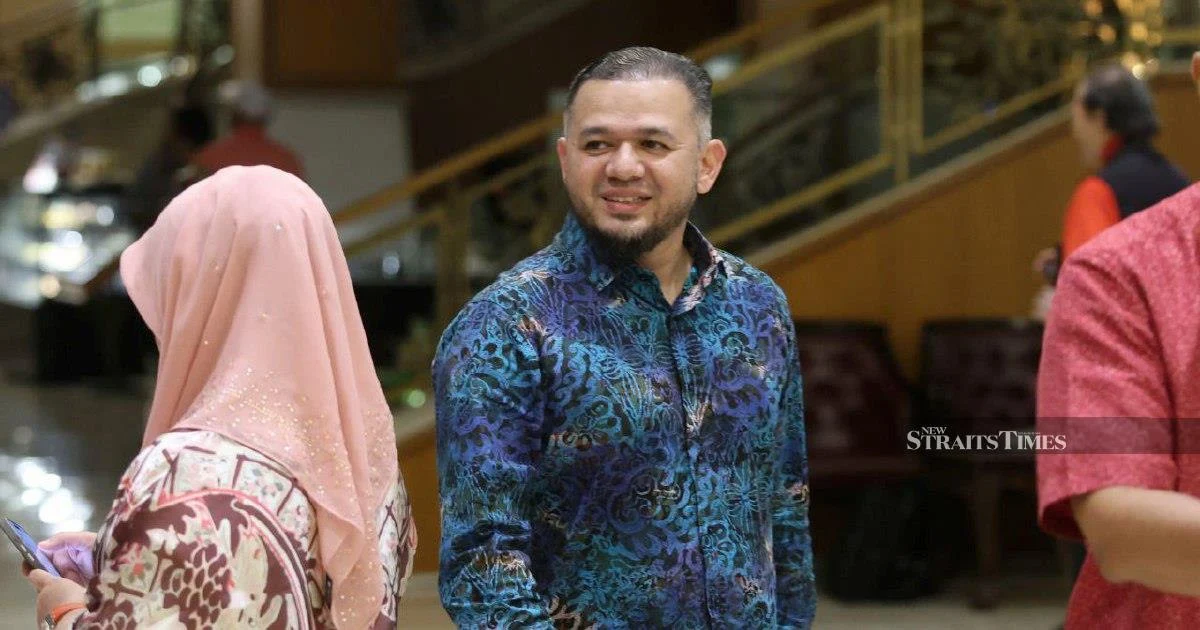
Kangar's Umno division chief Datuk Dr Fathul Bari Mat Jahya, along with two fellow former company directors, faces a substantial financial obligation after Malaysia's High Court turned down their request to postpone a judgment requiring repayment of RM492,480 to a hajj and umrah service provider. The dismissal of the stay application signals the court's confidence in the underlying judgment and removes what might have been a temporary reprieve for the three men facing the liability.
The case centres on a commercial dispute involving the provision of hajj and umrah services, religious pilgrimage arrangements that represent a significant market in Malaysia given the nation's Muslim majority population and the cultural importance of these journeys. Such service providers typically handle logistics, accommodation, travel documentation, and spiritual guidance for Malaysian pilgrims, making the industry crucial for many families planning these trips. The nature of the dispute—whether involving deposits, service fees, or operational costs—reflects underlying tensions that occasionally emerge between service operators and their clients or associated parties.
As a prominent figure within Umno's Kangar division, Fathul Bari's involvement in this commercial matter adds a political dimension to what might otherwise remain a routine business dispute. The Kangar division represents a constituency in Perlis, Malaysia's smallest state, where local leaders typically wield considerable influence over community affairs and business networks. His position as division chief carries expectations of ethical conduct and financial responsibility, making this court ruling particularly significant for his political standing within the party and region.
The High Court's rejection of the stay application demonstrates judicial determination to enforce its orders promptly rather than allow indefinite delays. A stay of execution would have temporarily halted enforcement while the three directors pursued further legal remedies or appeals. By declining this request, the court indicated that it found no compelling grounds to suspend the judgment's effect, suggesting confidence in both the judgment's merit and the appropriateness of immediate enforcement. This approach typically reflects judicial concern about protecting creditors' rights and preventing asset dissipation during prolonged legal proceedings.
For the hajj and umrah service provider seeking recovery, the court's decision represents vindication after what was presumably a lengthy dispute process. Religious tourism and pilgrimage services form a substantial sector of Malaysia's economy, with numerous established operators managing thousands of pilgrims annually. When such businesses face non-payment or contractual breaches, their operational stability can suffer, potentially affecting other clients and service quality. The court's swift dismissal of the stay application thus serves the broader interest of protecting legitimate service providers from undue delays in collecting legitimate debts.
The involvement of multiple directors in the liability raises questions about corporate governance structures and personal accountability. Under Malaysian company law, directors can face personal liability in specific circumstances, particularly when company assets prove insufficient or when their conduct breaches fiduciary duties. The fact that three separate individuals bear joint responsibility for the RM492,480 suggests either they all served as company directors during the relevant period or they share liability for specific acts or decisions.
This case illustrates the intersection of Islamic religious practice, commercial enterprise, and corporate accountability within Malaysia's legal framework. Hajj and umrah services sit at a unique position where spiritual obligation meets commercial transaction, potentially creating heightened expectations for trustworthiness and reliability among Muslim clients. When disputes arise involving such services, they often carry emotional and religious dimensions beyond typical commercial disagreements, which courts must navigate carefully while maintaining focus on contractual and legal principles.
The repayment obligation carries implications extending beyond the immediate parties involved. For other hajj and umrah operators facing similar issues with difficult clients or debtors, the court's swift handling of this case and rejection of delay tactics provides precedent suggesting courts will enforce judgments decisively. Conversely, for potential clients or investors dealing with entities associated with these three individuals, the judgment may affect their assessment of financial reliability and trustworthiness.
The timing and publicity of this judgment also intersect with broader discussions about financial accountability among Malaysian political figures and corporate leaders. While Fathul Bari's role as an Umno division chief does not automatically implicate the party in his personal commercial dealings, such court cases inevitably invite scrutiny regarding the business conduct of prominent political personalities. The case demonstrates that political position does not shield individuals from ordinary commercial law enforcement, a principle fundamental to rule of law and equal treatment before courts.
Looking forward, the judgment establishes that the three directors have exhausted their immediate legal options for delaying payment. Unless they pursue further appeals to higher courts—a process that would require identifying new legal grounds not previously considered—the repayment obligation becomes increasingly difficult to circumvent. The RM492,480 liability now requires practical resolution through asset liquidation, restructured payment arrangements, or other financial mechanisms the courts might consider in enforcement proceedings.
This case also reflects the functioning of Malaysia's civil litigation system, where disputes eventually reach resolution through structured legal processes despite parties' efforts to delay outcomes. The High Court's decisive action in rejecting the stay application indicates judicial efficiency in moving cases toward finality, particularly important in commercial matters where prolonged uncertainty creates broader economic costs and undermines confidence in contract enforcement.

