The Ministry of Youth and Sports (KBS) has embarked on an ambitious nationwide consultation initiative designed to capture the priorities and concerns of Malaysia's youth population before the government tables its 2027 budget framework. The MADANI Youth Budget Tour, divided into six geographical zones spanning the country, represents a structured effort to ensure young voices directly inform major fiscal policy decisions at the highest level of government. Launched in the northern zone covering Kedah, Penang, and Perlis, the roadshow will extend progressively across Malaysia over the coming month, culminating in direct feedback submissions to Prime Minister Datuk Seri Anwar Ibrahim ahead of the budget announcement in October.
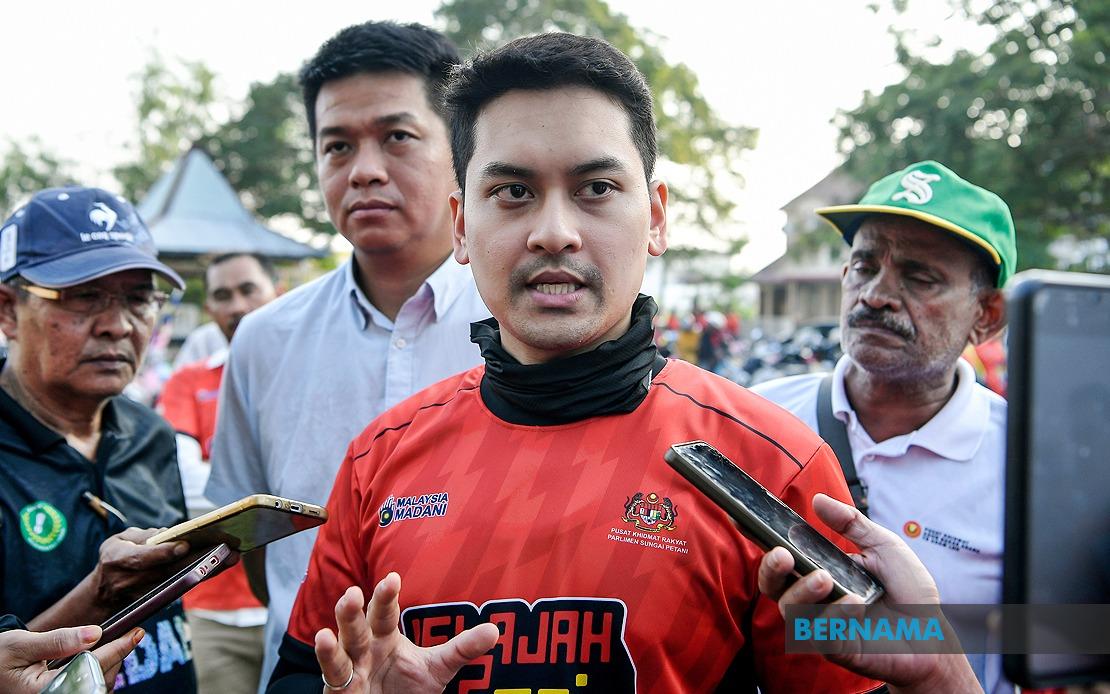
Minister of Youth and Sports Dr Mohammed Taufiq Johari outlined the framework during remarks at the Sahabat MADANI Merdeka Eve event held at Universiti Teknologi MARA (UiTM) Penang. He emphasised that the tour represented more than symbolic gesture-making, noting that engagement sessions would provide genuine platforms for young Malaysians to articulate their needs, aspirations, and policy recommendations in structured settings. The initiative reflects broader recognition within government that youth demographics increasingly drive social and economic trends, making their input essential for crafting responsive budgetary measures. By systematising youth consultation across multiple zones rather than relying on ad hoc feedback mechanisms, the ministry aims to capture representative perspectives from diverse communities and socioeconomic backgrounds across the peninsula.
The consultation tour carries particular significance given the amplified political voice young Malaysians have demonstrated in recent years. Dr Mohammed Taufiq highlighted that contemporary youth do not passively receive government messaging but actively challenge and articulate alternative visions for policy direction. Town hall sessions conducted under the tour programme have documented this emerging democratic participation, with young attendees demonstrating willingness to voice dissent and advance constructive criticism alongside recommendations. This shift toward assertive youth engagement represents a potential recalibration in Malaysian political culture, where younger generations view budget consultations as legitimate opportunities to influence resource allocation rather than ceremonial participation exercises.
Beyond economic policy specifics, the minister contextualised youth involvement within Malaysia's broader national unity framework. He positioned young Malaysians as essential bridge-builders across religious and ethnic lines, suggesting their generational perspective could help transcend historical divisions that have periodically strained the country's multicultural fabric. This framing connects budget consultation to deeper questions about social cohesion and the role younger demographics might play in sustaining Malaysia's pluralistic democratic model. By encouraging youth to see themselves as custodians of unity and instruments for countering divisive elements, the government attempts to channel youth political energy toward nation-building narratives rather than sectarian mobilisation.
The event at UiTM Penang, officiated by Prime Minister Anwar Ibrahim and attended by Penang Chief Minister Chow Kon Yeow, demonstrated senior political commitment to this consultation framework. The presence of the Prime Minister underscored that youth feedback would receive serious consideration at the executive level rather than being filtered through intermediate bureaucratic layers. This direct-access model potentially enhances youth confidence that their input influences actual budget priorities, though the mechanism by which town hall feedback translates into specific budgetary allocations remains unspecified in official announcements.
Complementing the budget tour is the broader Sahabat MADANI initiative, officially launched at the Penang event with 11,060 volunteers registered nationally. This grassroots volunteer network operates as an intermediary structure connecting government agencies and ordinary citizens, with particular focus on promoting mutual respect and facilitating community service across Malaysia's diverse backgrounds. Sahabat MADANI functions as both outreach mechanism and feedback channel, allowing local-level concerns to reach policymakers while distributing government messaging and initiatives to grassroots level. The volunteer-driven model reflects cost-effective governance strategy while building social capital through civic participation opportunities.
For Malaysian youth specifically, the Budget 2027 consultation cycle arrives amid ongoing concerns about employment pathways, affordable housing, educational access, and cost of living pressures. Previous budget cycles have witnessed youth advocacy campaigns focused on graduate unemployment rates, internship compensation standards, and vocational training expansion. The structured consultation tour provides formal channels for these recurring concerns to be systematically documented and presented to the finance ministry and Prime Minister's office, potentially influencing allocation decisions for youth-focused programmes and initiatives. Whether government actually implements budget recommendations emerging from consultation sessions will significantly determine youth perception of the exercise's meaningfulness.
Regionally, Malaysia's approach to formalised youth consultation contrasts with patterns in neighbouring Southeast Asian nations, where youth political engagement often occurs through protest and civil society mobilisation rather than structured government consultation mechanisms. The MADANI Youth Budget Tour represents an institutionalised pathway for youth political participation within Malaysia's existing governance framework, potentially offering alternative models for other regional democracies grappling with youth disengagement from formal political processes. However, the model's success depends on genuine government responsiveness rather than consultation as performative exercise.
The six-zone framework itself warrants scrutiny regarding representational equity across Malaysia's diverse geographies. Peninsular Malaysia's uneven population distribution means that northern and central zones will generate significantly more participant input than zones covering Sabah and Sarawak, potentially skewing the ultimate feedback compilation. Whether the ministry plans separate consultation cycles for East Malaysia or incorporates comparative analysis accounting for geographic participation variances remains unclear from available statements.
Looking toward October's budget tabling, the MADANI Youth Budget Tour establishes expectation that youth priorities will receive demonstrable budget allocation increases or policy innovations. Minister Dr Mohammed Taufiq's emphasis on presenting aspirations directly to Prime Minister Anwar Ibrahim creates accountability framing—if subsequent budget proposals show minimal youth-responsive measures, the credibility of future consultation exercises may diminish substantially. Conversely, visible youth-oriented budgetary innovations would validate the consultation process and potentially encourage expanded youth participation in subsequent policy formulation cycles.

