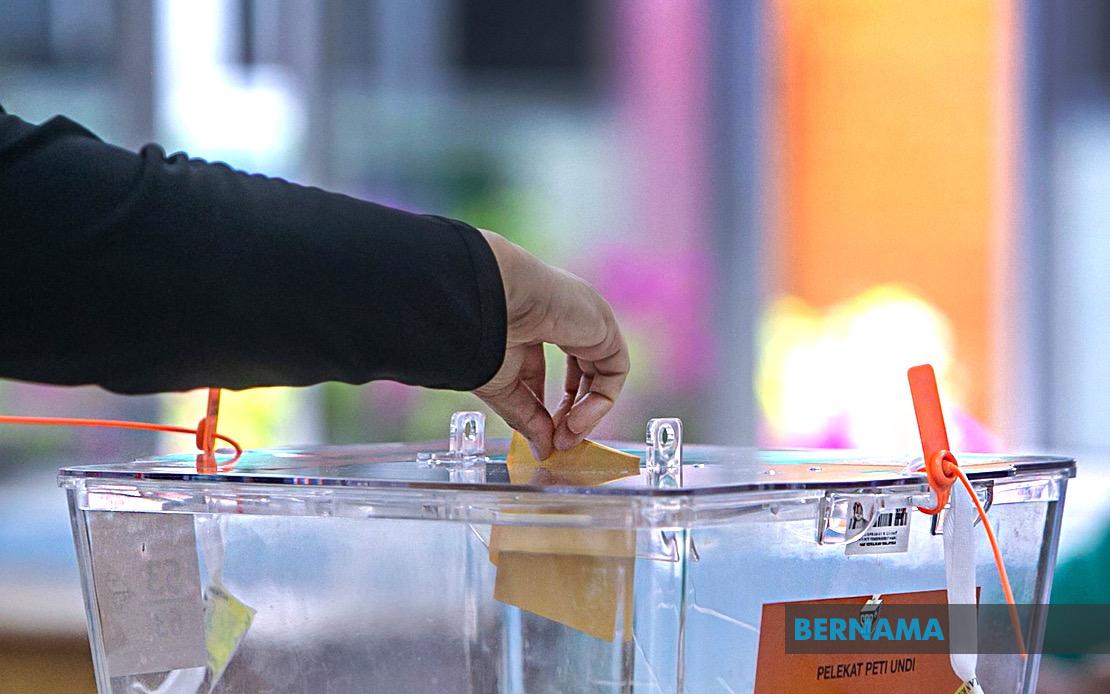
The Ministry of Youth and Sports (KBS) has issued a directive requiring all Youth and Sports Skills Training Institutions (ILKBS) nationwide to accommodate student voters by permitting special leave during election periods. The instruction, communicated through the ministry's Youth Skills Development Division (BPKB) via formal notification to institutional directors, represents an official recognition that voting constitutes a fundamental civic obligation that should not conflict with vocational training schedules. This policy applies across general elections, state elections, and by-elections, ensuring that eligible students enrolled at these institutions can exercise their democratic rights without penalty.
The underlying philosophy articulated by KBS emphasizes that individual votes carry weight in shaping the nation's trajectory, and students should not face an impossible choice between maintaining their training attendance and fulfilling their responsibilities as citizens. This framing positions voting as an essential civic practice rather than a peripheral activity that training commitments should supersede. By elevating the importance of electoral participation, KBS sends a signal about the government's commitment to nurturing politically engaged youth who understand their role within Malaysia's democratic framework.
The procedural framework established for implementing this policy requires students to submit applications to their respective ILKBS management rather than granting automatic leave. Each request undergoes individualized consideration by institutional directors, who evaluate the application based on multiple factors including the distance between the training facility and the student's designated polling centre, the reasonable duration needed for travel, and the logistical feasibility of coordinating training schedules around the student's absence. This case-by-case approach allows institutions to maintain systematic attendance records while accommodating legitimate voting needs.
Institutional directors retain ultimate approval authority, reflecting the ministry's intention to decentralize decision-making while maintaining oversight. This distributed responsibility model ensures that each ILKBS can tailor decisions to its specific operational context, whether influenced by geographic challenges, class scheduling intensity, or other institutional factors. The emphasis on director approval also preserves accountability within the training system, preventing potential abuse while acknowledging that reasonable accommodations are both appropriate and necessary.
KBS has also mandated that all ILKBS institutions proactively inform eligible student voters well in advance of election periods, enabling applicants to submit their leave requests with sufficient lead time. This advance notification requirement aims to prevent last-minute complications and facilitate smoother coordination of both travel arrangements and training coverage. By building in adequate planning windows, the ministry recognizes practical realities: students need time to arrange transportation to their home constituencies, and institutions need time to adjust class schedules or arrange substitute coverage where necessary.
The special leave framework reflects broader considerations around student welfare and safety. By ensuring coordinated, planned absences rather than unscheduled departures, the ministry reduces risks associated with informal travel arrangements and maintains institutional awareness of student whereabouts during election periods. This structured approach protects both student interests and institutional accountability, demonstrating that accommodating civic participation need not compromise the duty of care that educational institutions owe their charges.
For Malaysian vocational training providers, this directive signals a shift in prioritizing civic participation within the institutional mission. ILKBS institutions—which provide practical skills development across various sectors—now operate within a policy framework that explicitly validates voting as sufficiently important to warrant leaving campus. This recognition aligns with educational philosophy emphasizing that democratic citizenship forms an integral component of holistic youth development, not something compartmentalized away from professional training.
The policy also carries implications for how young Malaysians perceive the relationship between institutional obligations and civic duties. By removing institutional barriers to voting, KBS reduces disincentives that might otherwise discourage student participation. Youth are frequently cited in electoral analysis as a demographic segment with lower turnout rates; structural barriers such as distance from polling stations and schedule conflicts can amplify this tendency. By permitting institutional accommodation, the ministry addresses one category of practical obstacle that might otherwise suppress young voter engagement.
Regionally, Malaysia's approach to youth voting participation reflects patterns increasingly visible across Southeast Asia, where nations grapple with balancing institutional commitments with civic participation. This directive exemplifies how government can facilitate democratic engagement through administrative action rather than legislative change, using existing bureaucratic channels to align institutional policies with civic imperatives. The model may offer instructive precedent for other training providers and educational institutions considering their own policies.
KBS's framing emphasizes that this generation of youth should develop as active contributors to democratic strengthening and national development. The language suggests institutional investment in cultivating politically conscious citizens rather than merely skilled workers. By removing friction from the voting process specifically for young trainees, the ministry invests in habits and attitudes that extend beyond individual elections, potentially anchoring lifelong civic engagement patterns.
The directive requires institutional adaptation across numerous ILKBS facilities, each now charged with developing implementation procedures and training staff to process applications consistently. Directors must balance approvals against operational demands, creating protocols that remain fair while protecting institutional function. This distributed implementation challenges institutions to operationalize the ministry's policy intent while managing their own scheduling complexities.
As Malaysia continues navigating its evolving democratic landscape, initiatives that reduce participation barriers assume particular significance. The special leave policy for ILKBS students represents measurable commitment to ensuring that vocational training does not inadvertently suppress electoral participation. Whether adopted more broadly by other educational and training providers remains to be seen, but the precedent established by KBS suggests growing institutional recognition that facilitating voting serves both individual democratic rights and national democratic health.

