Malaysia's regulatory approach to film production is entering a new phase that attempts to reconcile artistic ambition with governmental oversight. The Ministry of Home Affairs (KDN) and the Film Censorship Board (LPF) have signalled their commitment to granting the national film industry expanded latitude for creative experimentation while simultaneously maintaining their mandate to protect public interests and national security. This dual commitment reflects an ongoing tension within Southeast Asia's cultural policy landscape, where rapid social change and technological advancement are pressuring traditional regulatory frameworks to evolve.
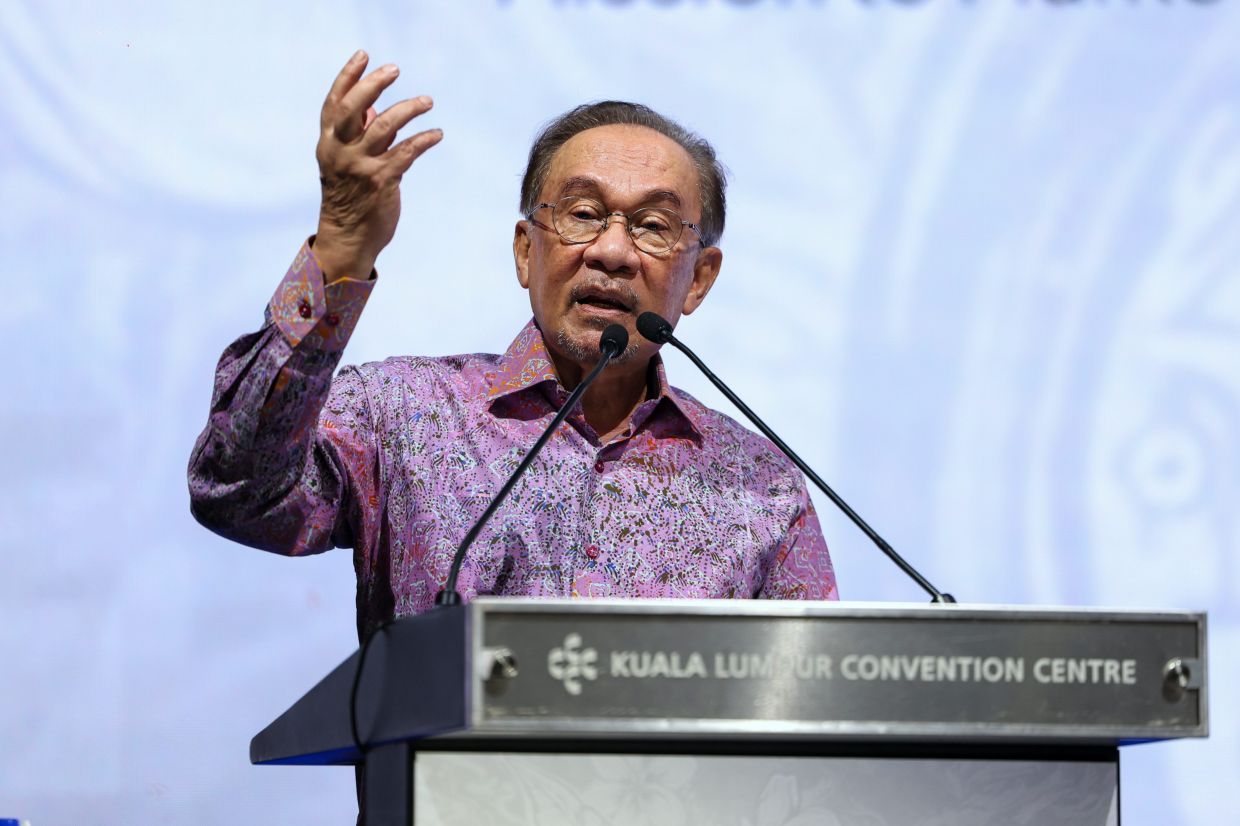
The regulatory framework governing Malaysian cinema has long been perceived as restrictive by industry participants who argue that overly cautious censorship practices inhibit innovation and limit the competitiveness of local productions against regional competitors. Prime Minister Datuk Seri Anwar Ibrahim's recent advocacy for greater creative space represents a significant political signal that the government recognises the strategic value of a vibrant, internationally competitive film sector. His intervention suggests that Malaysia's leadership now views cultural industries as critical components of economic diversification and soft power projection, particularly important as the country competes regionally with Thailand, Indonesia and the Philippines for film talent and investment.
The distinction KDN has drawn between classification and censorship represents a potentially significant refinement in regulatory practice. Classification systems categorise content by age appropriateness—determining whether a film is suitable for children, adolescents or adults—whereas censorship involves evaluating whether content violates specific legal, policy or guideline restrictions. While these processes have always technically operated separately, the LPF's clarification that age classification does not exempt films from scrutiny suggests a recognition that older audiences should have access to more mature themes and perspectives. This approach mirrors international practices where films rated for adult audiences are permitted content that would be inappropriate for younger viewers, acknowledging that censorship standards should shift contextually based on audience demographics.
The regulatory body emphasises that achieving this balance requires evaluating content within its full context rather than through rigid application of standardised rules. Under this revised framework, scenes, dialogue, audio, themes, character behaviour and narrative context all inform whether potentially sensitive content can be retained within an approved age classification or must be modified. This contextual approach theoretically permits filmmakers greater artistic licence when depicting adult themes for mature audiences, provided such content serves narrative purpose rather than existing purely for shock value. The flexibility suggests that KDN recognises that blanket prohibitions may stifle storytelling that explores complex social realities relevant to contemporary Malaysian audiences.
However, the government's framing of expanded creative space includes explicit safeguards that preserve state prerogatives in key areas. Content threatening security or public order, religious sensibilities, moral standards or societal cohesion remains subject to heightened scrutiny and potential prohibition. These restrictions are particularly significant in Malaysia's multicultural, multi-religious context where cultural sensitivities around Islam, indigenous traditions and inter-communal relations remain politically sensitive. International relations also factor into evaluations, with the LPF considering whether content could damage Malaysia's diplomatic relationships or international standing. For filmmakers, these parameters remain formidable—while the rhetoric emphasises creative freedom, the actual boundaries remain broadly defined and subject to official interpretation.
The timing of this policy articulation reflects broader regional trends. Across Southeast Asia, governments are grappling with the challenge of maintaining cultural sovereignty and political control while recognising that overly restrictive policies drive creative talent and investment to more permissive jurisdictions. Singapore and Thailand have similarly recalibrated their approaches, seeking to position themselves as regional creative hubs while maintaining essential security and political protections. Malaysia's repositioning acknowledges this competitive landscape while attempting to retain decisive state control over content deemed sensitive to national interests.
For the Malaysian film industry, this represents a meaningful but circumscribed expansion of creative possibilities. Independent filmmakers and production companies have historically complained that regulatory uncertainty and conservative interpretation of guidelines discourage experimental or challenging projects that might attract festival recognition or international distribution. Greater clarity that mature content can be retained within appropriate age classifications may encourage more ambitious storytelling among filmmakers who previously self-censored anticipating regulatory rejection. However, the continued emphasis on national security, religious propriety and societal harmony means that politically contentious or religiously provocative content remains vulnerable to intervention.
The LPF's commitment to streamlining its censorship approach toward being more "progressive, responsive and professional" suggests operational reforms may accompany policy adjustments. This could involve faster turnaround times for evaluations, more transparent communication with producers about specific concerns, and potentially enhanced dialogue between regulators and creative professionals. Such procedural improvements, even without wholesale changes to substantive restrictions, could reduce the creative friction that has characterised filmmaker-regulator relationships in the past.
Regional implications extend beyond Malaysia's borders. Film industries across Southeast Asia are interconnected through co-productions, talent mobility and shared audience markets. If Malaysia successfully expands its regulatory envelope while maintaining social stability, this could establish a model other governments might emulate. Conversely, if expanded creative freedom leads to content that ignites political or religious controversy, other regional governments might interpret this as cautionary. The success of this calibration will likely influence whether other ASEAN nations pursue similar recalibrations or maintain more restrictive approaches.
Ultimately, the test of this policy shift will emerge through implementation. Regulatory statements expressing commitment to creative freedom carry weight only insofar as they translate into concrete decisions by censorship officials reviewing actual films. Industry observers will scrutinise whether films that previously faced substantial censorship demands now proceed with minimal modification, whether evaluation timelines improve, and whether filmmakers perceive genuine expansion of permissible content rather than rhetoric masking continued restrictive practice. The outcome will signal whether Malaysia's film industry can realistically compete internationally or whether regulatory constraints will continue limiting its ambitions.

