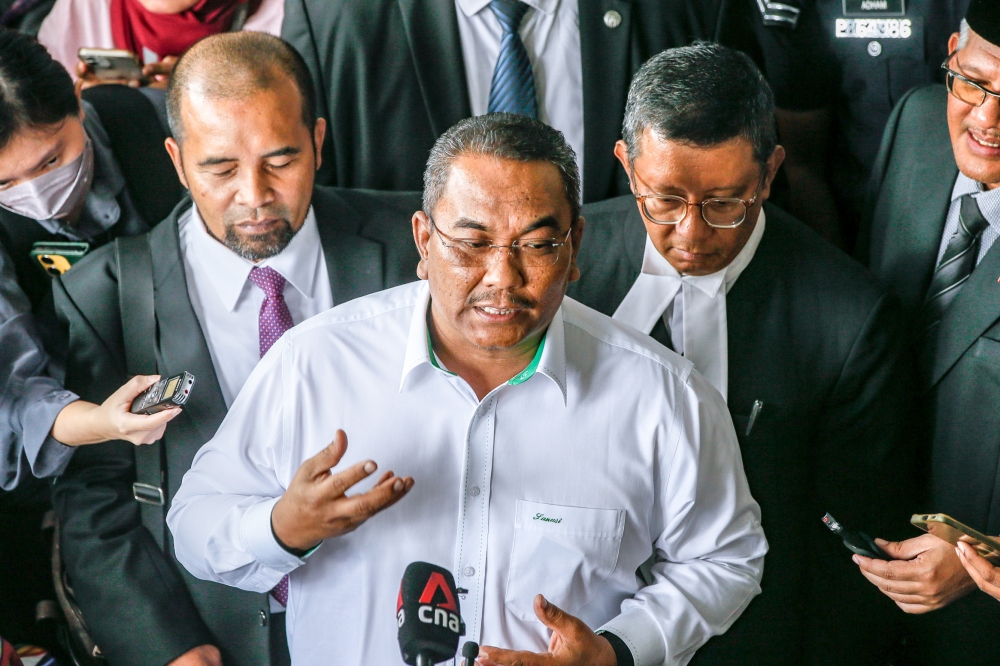
Kedah Menteri Besar Datuk Seri Muhammad Sanusi Md Nor has escalated a political dispute by issuing formal letters of demand to DAP Secretary-General Nga Kor Ming and two other political figures, alleging they distorted his public statements regarding coalition arrangements and governance principles. The move signals intensifying friction between the PAS-led state administration and DAP colleagues within the federal Pakatan Harapan alliance, raising questions about cohesion within Malaysia's ruling coalition at both state and national levels.
The letters of demand represent a significant step beyond typical political rhetoric, introducing legal mechanisms into what had been a public disagreement. Sanusi's decision to pursue formal written demands rather than relying solely on public statements indicates the seriousness with which he views the alleged misrepresentation. The specific nature of the dispute centres on how his previous remarks concerning political partnerships and the terms under which different parties can cooperate have been characterized by the DAP representatives in question.
In Malaysian politics, letters of demand traditionally serve as precursors to potential defamation proceedings, establishing a formal record of disputed statements before legal action proceeds further. By taking this route, Sanusi has created a documented trail that could support future litigation if the recipients fail to comply with his demands for retraction and clarification. This approach is commonly employed when political figures believe their reputations have been damaged by public statements they consider factually inaccurate or deliberately misleading.
The backdrop to this dispute involves ongoing debates within coalition frameworks about the principles governing political cooperation. Sanusi's position as a PAS leader heading Kedah aligns him with the Islamist party's governance philosophy, which sometimes creates tension with DAP's secular and pluralist platform. These fundamental ideological differences periodically surface in disagreements over how coalitions should operate and what principles should guide inter-party relationships.
The involvement of multiple recipients in the letters of demand suggests the alleged distortion was not an isolated comment but rather part of a coordinated or repeated pattern across different DAP figures. This broader dissemination of what Sanusi views as misrepresentation may have prompted him to address the issue through formal legal channels rather than allowing it to persist unchallenged in public discourse.
For Malaysian readers, this incident highlights the persistent tensions within the Pakatan Harapan coalition despite its formal alliance status. While the coalition continues to govern federally and in numerous states, underlying disagreements between component parties regularly surface through disputes of this nature. The relationship between PAS and DAP remains particularly sensitive given their contrasting ideological orientations and historical political rivalry before their partnership in Pakatan Harapan.
The timing and specifics of Sanusi's grievances warrant attention from observers tracking coalition stability. When senior politicians resort to legal correspondence over alleged statement distortions, it often indicates that informal resolution mechanisms have failed or were never attempted. Such escalation can damage inter-party working relationships and may complicate efforts to maintain coalition discipline in legislative votes and policy-making processes.
In the Kedah context specifically, this dispute occurs within a state government where PAS holds the chief minister position and commands the political executive. DAP's role in this administration remains secondary, potentially affecting how party leaders view their ability to influence governance decisions. Disputes of this nature sometimes reflect deeper frustrations about decision-making power and political influence within coalitions where partners hold unequal positions.
Regionally, Malaysia's coalition politics frequently experience similar pressures as ideologically diverse parties attempt to maintain working relationships. Political scientists have noted that broad-based coalitions often prove difficult to sustain when component parties maintain fundamentally different policy visions and governing principles. The DAP-PAS dynamic represents one of the most challenging partnerships within Malaysian coalition frameworks, making disagreements between them particularly significant for overall coalition viability.
The response from Nga Kor Ming and the other recipients will likely determine whether this matter proceeds toward legal proceedings or achieves resolution through negotiation and public clarification. DAP leaders may choose to issue statements explaining their original comments, argue their statements were accurate representations of Sanusi's position, or pursue direct talks to resolve the disagreement outside formal legal processes.
For the broader coalition government, this incident underscores the need for clearer protocols governing inter-party communication and dispute resolution. While political disagreement remains inevitable within any coalition, how partners manage and resolve such disputes affects the coalition's overall credibility and effectiveness in governance. The federal government will likely monitor this situation closely, recognizing that unresolved tensions at the state level can create complications for national coalition operations.
Moving forward, observers should watch whether this matter escalates further into actual defamation litigation or whether back-channel negotiations produce a settlement. Either outcome will carry implications for future DAP-PAS relations and broader coalition stability. The incident serves as a reminder that Malaysia's coalition politics require constant management of ideological differences and competing interests among partners who share formal alliances despite significant underlying tensions.

