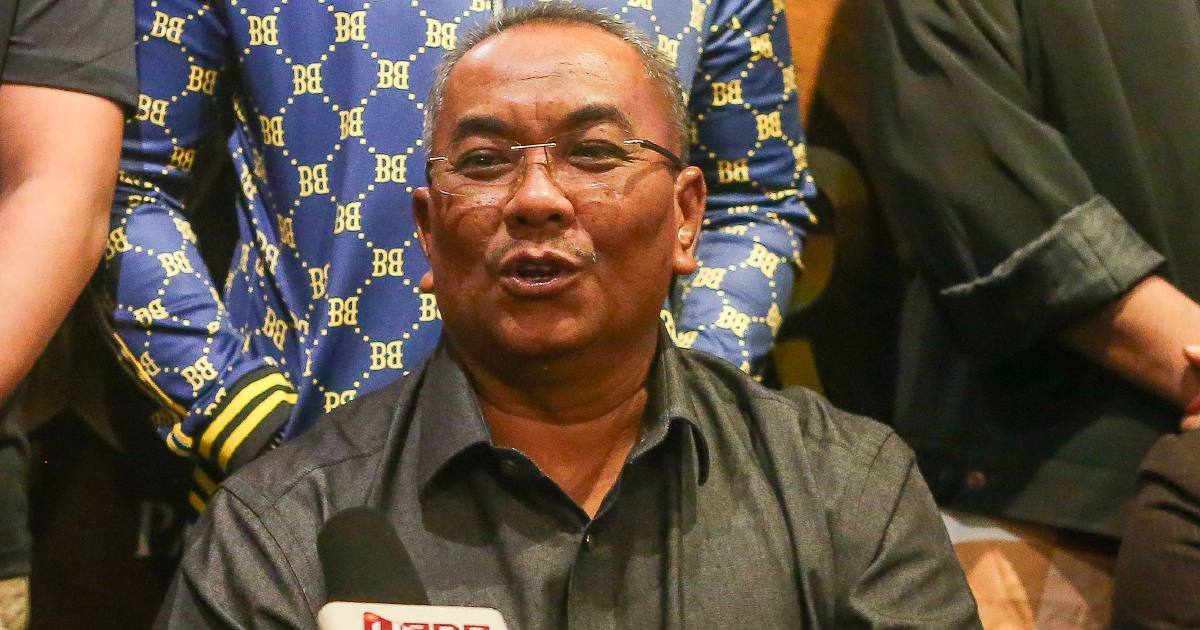
Kedah Menteri Besar Datuk Seri Muhammad Sanusi Md Nor has escalated a political dispute by formally issuing letters of demand against DAP deputy chairman Nga Kor Ming and two other individuals, accusing them of distorting comments he made during a ceramah in Negri Sembilan. The legal action marks a hardening stance by the state leader in response to what he characterises as a deliberate mischaracterisation of his public statements, reflecting the intensifying rhetorical battles between state-level politicians and opposition figures across Malaysia's political landscape.
The decision to pursue legal remedies through letters of demand represents a measured but firm escalation in the dispute. Such correspondence typically demands the recipients cease the alleged misconduct and may seek compensation for reputational damage, whilst preserving the option for further legal action should the recipients fail to comply. This approach has become increasingly common among political figures seeking to counter what they view as unfair or inaccurate portrayals by opponents, though it remains a blunt instrument that can backfire if perceived as overly litigious or as an attempt to suppress legitimate political discourse.
The allegations centre on remarks Muhammad Sanusi made at a political gathering in the neighbouring state of Negri Sembilan. Without the specific details of what was said or how it was characterised, the dispute illustrates the broader challenge of political communication in an environment saturated with competing narratives. Opposition figures and government representatives routinely interpret statements differently, with each side accusing the other of deliberate misrepresentation to score political points or mobilise supporters. In the age of rapid social media dissemination, such disputes can spiral quickly, with partial clips and out-of-context quotes fuelling misunderstandings.
Nga Kor Ming's position as deputy chairman of the Democratic Action Party places him at the forefront of the party's political engagement and communications strategy. The DAP, as a longstanding opposition force in Malaysian politics, has historically maintained active grassroots networks and media operations aimed at holding the government accountable and presenting alternative policy perspectives. Such engagement necessarily involves scrutinising public statements by government figures, though this function can occasionally veer into territory that protagonists view as unfair characterisation.
The involvement of two additional recipients alongside Nga Kor Ming suggests this was not simply a personal dispute between two politicians but rather reflected a coordinated effort by what Muhammad Sanusi's team apparently viewed as multiple parties working in concert. This multiplicity may indicate that the alleged misrepresentation was amplified through various channels—media outlets, social media accounts, or party structures—making it difficult for the Menteri Besar to address through a single conversation or clarification.
From the perspective of Malaysian political dynamics, such legal manoeuvres can be interpreted as part of a broader pattern in which state-level politicians increasingly resort to formal legal processes to manage their public images and relationships with critics. Kedah, under Muhammad Sanusi's leadership, has been relatively active in pursuing such approaches, reflecting a particular approach to managing political opposition. This strategy appeals to those who believe public figures should be protected from unfair attacks, whilst critics argue it can have a chilling effect on legitimate political speech and accountability journalism.
The timing and context of the original ceramah matter considerably for understanding this dispute. Ceramahs, or public talks typically addressing political and religious topics, have been significant platforms in Malaysian politics, particularly in states with strong Islamist or conservative constituencies. Remarks made at such gatherings can carry symbolic weight beyond their literal content, with audiences sometimes interpreting comments through the lens of broader political allegiances and ideological commitments. This complexity can genuinely lead to misunderstandings without requiring malicious intent from either speaker or audience.
For DAP and opposition politicians, such letters of demand present a strategic dilemma. Compliance—issuing a retraction or ceasing to mention the matter—could be seen as capitulation and weakness. Resistance risks escalating the legal battle and consuming political energy that might be better deployed on policy questions or constituency service. The party's response will likely reflect broader calculations about the reputational costs of appearing either bullied or untruthful.
The incident also carries implications for media freedom and political discourse in Malaysia. Journalists and commentators reporting on political controversies must navigate these disputes carefully, attempting to verify claims from multiple sources whilst remaining cognisant that legal threats can subtly influence editorial decisions. This is particularly salient in Malaysia, where media ownership patterns often reflect political alignments and where the boundary between legitimate political criticism and actionable defamation remains contested.
For ordinary Malaysians observing these political jousts, the proliferation of such disputes can contribute to a sense of exhaustion with political theatre divorced from bread-and-butter concerns. Yet such conflicts also reveal genuine tensions about the role of opposition politics, the responsibility of public figures to speak carefully, and the mechanisms available to address public disagreements in a healthy democracy.
The matter now awaits the response from Nga Kor Ming and his co-recipients. Their handling of the letters of demand will likely shape the trajectory of this particular dispute, whilst also sending signals to other political actors about the costs and benefits of engaging in contentious public criticism of government officials. Whether this path leads to resolution through dialogue, legal proceedings, or simply fading from public attention will depend on various factors including the strength of Muhammad Sanusi's case, the resources both sides are willing to deploy, and the broader political context in which such disputes occur.

