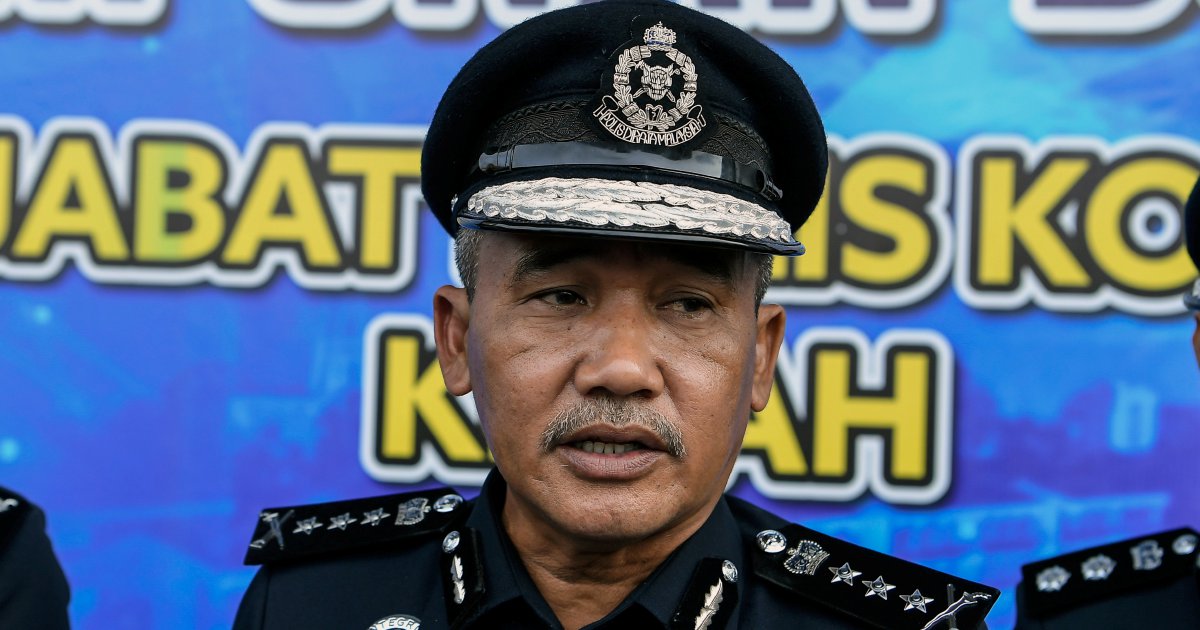
The Kedah Royal Police have launched a significant internal accountability drive, initiating 69 separate disciplinary cases that collectively involve 90 officers, rank-and-file personnel, and civilian support staff. The scale of the investigation reflects heightened scrutiny within the state's police force, with allegations spanning a broad spectrum of misconduct ranging from criminal conduct to regulatory breaches and religious law violations.
The breadth of the allegations underscores the multifaceted nature of the disciplinary challenges facing the Kedah police establishment. Corruption remains a persistent concern within law enforcement agencies across Malaysia, and its inclusion among the charges against Kedah officers demonstrates that internal monitoring mechanisms are actively detecting impropriety at various hierarchical levels. The seriousness with which such allegations are being pursued suggests that the state police command is committed to maintaining institutional integrity and public confidence.
Drug-related offences constitute another significant category within these 69 cases, a particularly sensitive matter given Malaysia's stringent narcotics control framework and the broader regional challenge of substance abuse. That police personnel themselves feature among those under investigation for drug involvement raises serious questions about vetting procedures, workplace supervision, and the psychological and social pressures officers face that might render them vulnerable to substance-related infractions. This dimension is especially troubling because it potentially undermines the legitimacy of the force's own anti-drug enforcement activities.
Traffic violations cited in the disciplinary papers suggest that some cases involve lower-level infractions or misuse of position for personal benefit. While these may appear trivial compared to corruption or drug charges, they reflect a concerning culture of impunity or entitlement among certain officers. In a country where road safety is increasingly prioritized and enforcement consistency is crucial, officers operating outside prescribed regulations erode the effectiveness and credibility of traffic policing.
The inclusion of Syariah offences is particularly relevant within Kedah's Islamic legal framework. Malaysia's states retain jurisdiction over Islamic law matters, and Kedah maintains a distinct Islamic administration under state authority. Officers charged with Syariah violations may face action under both civil service codes and Islamic jurisprudence, creating a unique disciplinary complexity. This dual accountability reflects Malaysia's hybrid legal system but also presents administrative challenges in ensuring coherent outcomes.
The sheer numerical scope—69 separate investigation files involving 90 individuals—indicates either a significant underlying problem requiring urgent institutional reform, or alternatively, a more robust compliance monitoring system that is successfully identifying misconduct previously overlooked. The distinction matters considerably for assessing whether Kedah's police leadership is struggling to maintain standards or actively demonstrating improved accountability. Context regarding comparable figures from previous years would clarify whether this represents an escalation or a normal operational level following heightened enforcement of existing regulations.
For Malaysian citizens, particularly those in Kedah, these investigations carry important implications for police-community relations. Public trust in law enforcement depends partly on visible accountability when officers transgress. Transparent handling of disciplinary cases—within confidentiality requirements—reassures citizens that the institution polices itself seriously. Conversely, any perception that investigations are perfunctory or that serious allegations receive lenient treatment could further erode confidence already strained by high-profile cases elsewhere in the country.
The Malaysian civil service generally operates under established disciplinary procedures, and police personnel enjoy specific protections and processes reflective of their role and the sensitive nature of police work. These 69 cases will proceed through formal inquiry mechanisms, with officers entitled to due process and the opportunity to respond to allegations. The outcome will ultimately depend on the quality of evidence, the rigour of investigation, and the determination of disciplinary boards or courts charged with adjudicating the charges.
For the broader Southeast Asian context, Malaysia's approach to police accountability matters as the region grapples with maintaining professional standards in law enforcement. Several countries in the region struggle with endemic corruption within police forces, and Malaysia's more structured internal accountability mechanisms—however imperfect—represent one approach to addressing systemic challenges. Kedah's visible engagement with disciplinary processes, if conducted transparently, contributes to regional discussions about police reform and institutional integrity.
The emphasis on investigating multiple categories of misconduct simultaneously suggests that Kedah police leadership recognizes accountability as multidimensional rather than focused narrowly on corruption alone. This comprehensive approach aligns with best practices in police management, which increasingly emphasize integrity across all operational domains rather than selective enforcement against particular offence types. Whether this integrated accountability framework produces meaningful reform or serves primarily as bureaucratic process will depend on implementation rigour and senior leadership commitment.
Moving forward, the outcomes of these 69 investigations will provide insight into the health of Kedah's police institution. Transparent communication regarding case conclusions—while respecting individual privacy and legal confidentiality requirements—would strengthen public understanding that accountability mechanisms function effectively. The cases will likely set precedent for handling similar allegations within Kedah police and may influence approaches adopted by other state police forces navigating comparable challenges.

