As awareness grows about plastic pollution infiltrating every aspect of our environment, home gardeners are discovering that the tools and materials they use to cultivate their plots may be inadvertently introducing harmful microplastics into the very soil where they grow food. The proliferation of plastic products in gardening—from seed trays to pot liners to support stakes—represents a largely overlooked source of environmental contamination that gardeners can meaningfully address through deliberate material choices.
Microplastics, the tiny fragments generated when plastic products deteriorate over time, have become ubiquitous environmental contaminants. These particles are now found in drinking water systems, food crops, ocean ecosystems, and even circulating through human bloodstreams. While the full health implications remain under study, the accumulating evidence suggests that reducing our exposure to and generation of microplastics should be a priority for environmentally conscious individuals. For gardeners, the challenge is particularly acute because soil—which forms the foundation of food production and supports countless microorganisms essential to plant health—represents a vulnerable ecosystem easily compromised by plastic infiltration.
The gardening industry's reliance on plastic containers and accessories has become so normalized that many practitioners never pause to consider alternatives. Yet every plastic seed tray, nursery pot, and protective covering eventually fragments into microplastics that persist in the soil for decades. In regions like Southeast Asia, where rapid urbanization has accelerated plastic consumption and landfill pressures remain acute, the agricultural implications of soil microplastic accumulation deserve closer attention from both home gardeners and policymakers concerned about long-term food security and ecosystem integrity.
For those beginning seedlings indoors, soil-blocking kits offer a superior alternative to conventional plastic trays. These systems use metal moulds to compress a prepared growing medium into self-supporting cubes, eliminating disposable plastic entirely. Beyond their environmental advantage, these blocks actively improve plant development through air-pruning, a process where roots naturally halt their outward expansion when encountering air and instead develop denser, more fibrous root systems. This physiological benefit translates into stronger transplants that establish more successfully in garden beds, providing both ecological and horticultural returns on the investment.
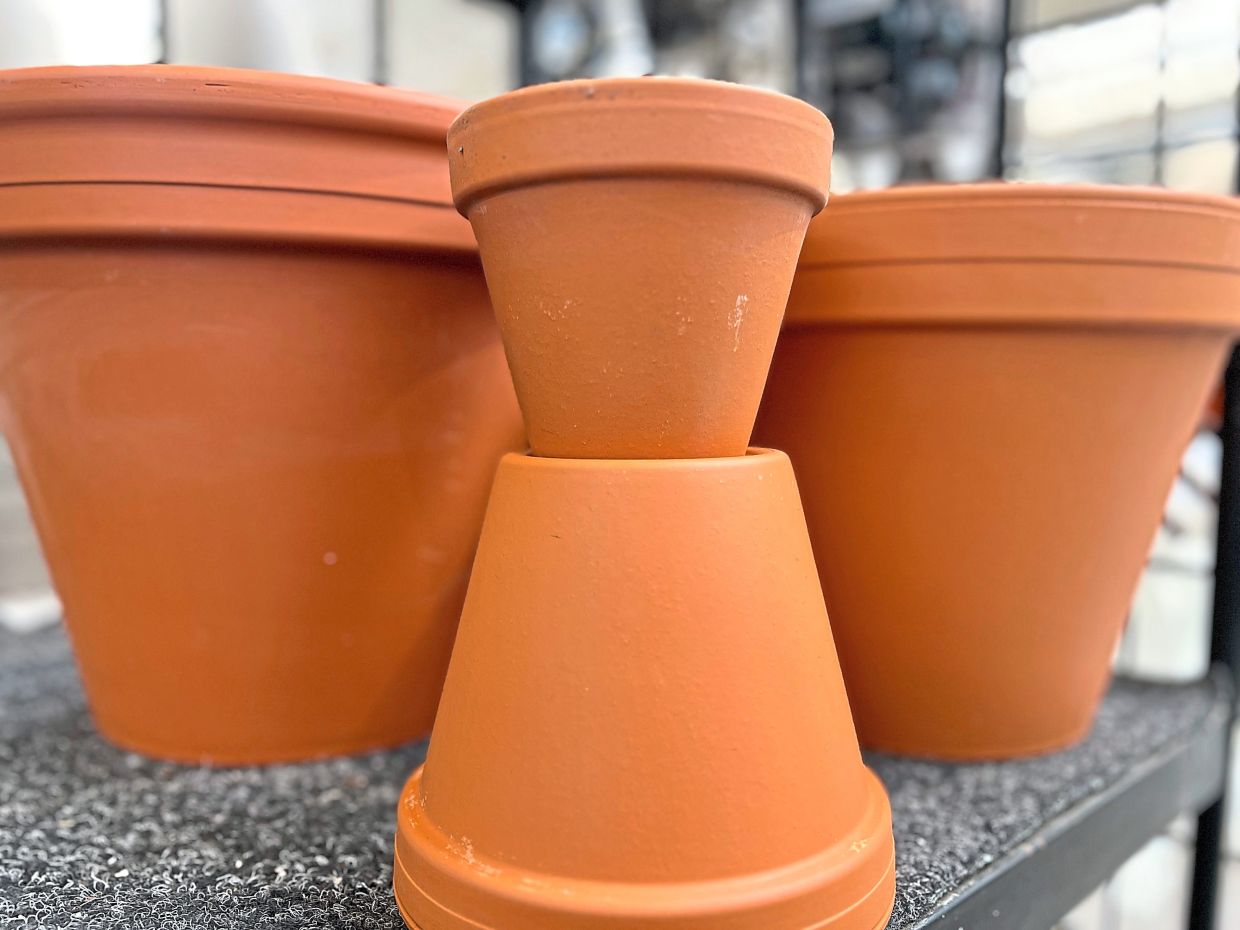
For gardeners unwilling to adopt soil-blocking methods, commercially available alternatives exist in biodegradable materials derived from coconut coir and composted manure. These products provide the functionality of traditional plastic containers while decomposing naturally when incorporated into soil, eliminating the microplastic legacy of conventional gardening. Larger container plants benefit from terracotta, wood, or untreated clay vessels that age attractively while maintaining complete material integrity. Fabric grow bags manufactured from natural fibres represent another excellent option, particularly for root vegetables, herbs, and tomato cultivation, though buyers must carefully verify that these bags are composed of natural rather than synthetic materials, as misleading labelling remains common in the horticultural retail sector.
The decision to purchase bare-root plants rather than nursery-grown specimens in plastic pots constitutes a significant but often overlooked step toward plastic reduction. This choice not only eliminates the immediate plastic container but also supports suppliers who employ less resource-intensive propagation methods. For Malaysian gardeners, this preference aligns well with traditional agricultural practices common throughout the region, where bareroot stock remains standard for many crops.
Composting represents perhaps the most transformative gardening practice available to those serious about reducing plastic dependence. By converting kitchen and garden waste into finished compost, gardeners dramatically decrease their reliance on bagged amendments, eliminate the plastic packaging associated with commercial soil products, and gain complete transparency regarding what nutrients and organisms enter their growing beds. Bulk compost purchasing, where available, further reduces plastic consumption while typically offering superior cost economics compared to individually packaged alternatives.
Hardscape and structural elements within gardens present additional opportunities for plastic elimination. Canvas tarps manufactured from natural fibres outperform plastic equivalents in durability and environmental impact, while landscape fabric—typically a microplastic-generating synthetic product—should be replaced with traditional weed suppression methods like shredded bark, wood chips, or dry leaves. In fire-prone regions, gravel provides both safety compliance and plastic-free weed management. Stakes and supports for climbing plants benefit from bamboo, wood, or metal construction secured with natural twines derived from hemp or jute, while simple wooden popsicle sticks serve admirably as plant identification markers.
Where plastic purchases prove unavoidable, shifting from disposable single-use items toward durable, reusable products represents a pragmatic compromise. A high-quality plastic seed tray designed for decades of use generates substantially fewer microplastics per growing season than flimsy alternatives discarded after a single season. This principle of intentional consumption—choosing tools and materials for longevity rather than convenience—extends beyond gardening into broader lifestyle decisions affecting plastic accumulation.
The cumulative impact of individual gardening choices, while modest in isolation, compounds significantly when adopted by communities. In Malaysia and across Southeast Asia, where urban gardening movements continue expanding and food security concerns drive increased home cultivation, normalizing plastic-free gardening practices could meaningfully reduce soil contamination while establishing cultural precedent for sustainable material choices. Gardens serve as laboratories where environmental values transform into daily practice, making them ideal spaces for demonstrating that productivity and ecological responsibility need not conflict.
The transition toward plastic-free gardening ultimately reflects a fundamental reorientation of priorities—viewing gardens not merely as productive spaces but as ecosystems requiring stewardship. By thoughtfully selecting materials, supporting suppliers offering sustainable alternatives, and embracing traditional methods suited to regional conditions, gardeners exercise agency within an increasingly plastic-dominated world. These decisions, multiplied across thousands of households, contribute substantively to the broader imperative of breaking humanity's dependency on synthetic materials that persist in ecosystems for centuries after their brief moment of utility.

