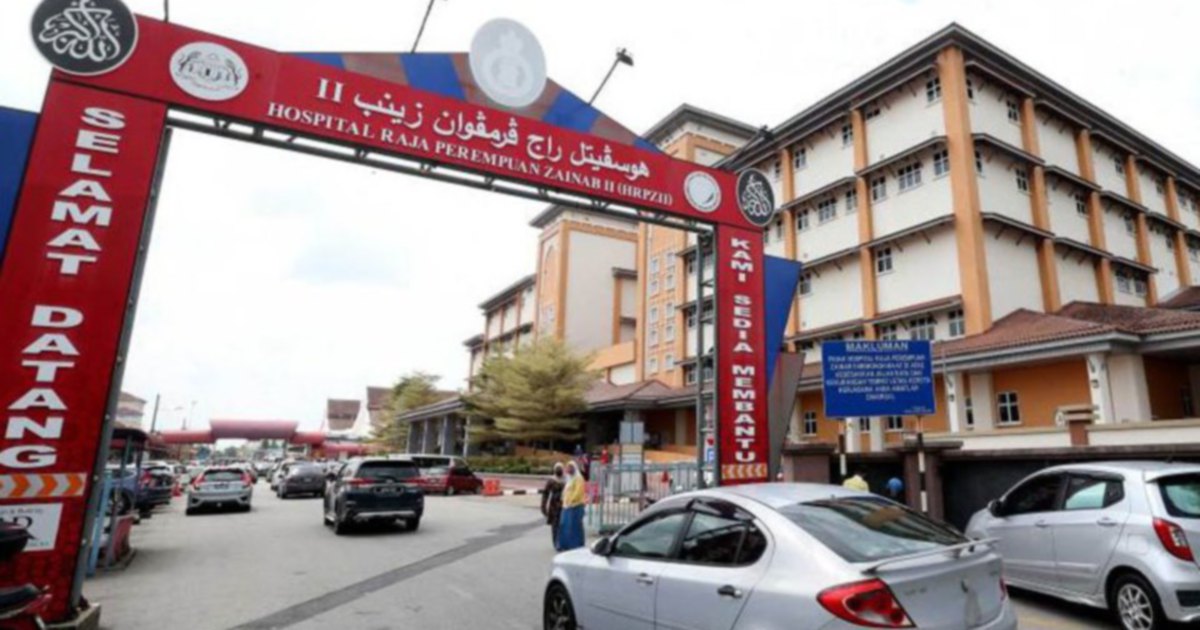
Authorities in Kelantan have initiated close medical surveillance of a newborn girl discovered to have traces of amphetamines and benzodiazepines in her system following a routine urine test conducted at Raja Perempuan Zainab II Hospital's neonatal intensive care unit on August 6. The detection marks another case highlighting the ongoing challenge of substance exposure among infants born to mothers with active addiction issues, a matter of growing public health concern across Malaysia.
The screening discovered the presence of both stimulant and depressant drug compounds in the infant, indicating that the child had been exposed to these substances during gestation. Such exposures occur when pregnant women continue using drugs throughout their pregnancy, with the substances crossing the placental barrier and accumulating in fetal tissues and bodily fluids. Medical professionals note that detection through routine neonatal screening has become an important early warning system for identifying at-risk infants who may require extended observation and specialist intervention.
Raja Perempuan Zainab II Hospital's neonatal intensive care unit, which serves as a tertiary referral centre for the state, conducts systematic screening protocols for newborns born to mothers with suspected substance use histories or presenting with clinical indicators. The unit's capacity to detect multiple drug classes simultaneously enables paediatricians to establish baseline information about prenatal exposure severity and tailor monitoring plans accordingly. This proactive approach reflects best practice in neonatal care, where early identification allows medical teams to intervene swiftly should complications emerge.
The implications of prenatal drug exposure extend across multiple developmental domains. Infants exposed to amphetamines may experience withdrawal symptoms including irritability, feeding difficulties, and sleep disturbances, while benzodiazepine exposure can result in poor muscle tone, lethargy, and feeding problems. Additionally, these substances may affect neurological development in ways that become apparent only as the child matures, necessitating long-term developmental follow-up beyond the initial hospitalisation period. Medical teams typically establish individualised monitoring protocols that continue through infancy and early childhood.
Kelantan's health department engagement in this case reflects a broader maternal and child health strategy increasingly prioritised across Malaysian state health systems. The state has witnessed substantial investment in perinatal services and substance abuse screening protocols in recent years, recognising that intervention during pregnancy and immediately after birth offers the most promising window for mitigating negative outcomes. Coordination between obstetric, neonatal, and substance abuse specialists has become standard practice in tertiary hospitals managing complex pregnancies.
The case also underscores the importance of non-judgmental, compassionate healthcare provision when addressing maternal substance use. International evidence demonstrates that women struggling with addiction require integrated medical and psychosocial support rather than punitive approaches. Hospitals that frame substance use as a medical condition requiring treatment—rather than primarily as a criminal or moral issue—achieve better outcomes for both mothers and infants. This perspective increasingly influences policy development in Malaysia's healthcare sector.
Treatment considerations for affected newborns vary based on severity of exposure and individual clinical presentations. While some infants require only close observation, others may benefit from supportive care, environmental modifications to minimise stimulation, and in some cases pharmacological interventions to manage withdrawal symptoms. The NICU team at Raja Perempuan Zainab II Hospital applies evidence-based protocols developed through international neonatal medicine consensus guidelines, ensuring that care standards remain consistent with those in developed healthcare systems.
The broader context reveals that drug-exposed births represent a significant public health challenge throughout Southeast Asia. Malaysia has experienced rising rates of substance use among women of childbearing age, particularly in urban centres and among economically disadvantaged communities. Limited access to comprehensive addiction treatment services, coupled with social stigma surrounding female drug use, often prevents pregnant women from seeking help until complications force engagement with the healthcare system. Addressing these systemic barriers remains essential for reducing the incidence of prenatal exposure.
For the family and child involved in this case, the monitoring process likely involves multiple specialist consultations, regular developmental assessments, and coordination with social welfare services to ensure appropriate home environment and family support systems. Kelantan's health authorities will maintain detailed records tracking the infant's physical growth, neurological development, and behavioural patterns over the coming months and years. This longitudinal follow-up generates valuable data that informs public health planning and clinical practice improvement.
The case exemplifies why comprehensive perinatal screening and robust neonatal follow-up systems matter enormously for child protection and early intervention. Beyond immediate medical considerations, the identification of drug exposure creates opportunities for the health system to engage with families around substance abuse treatment, parenting support, and child welfare services. When approached holistically, such cases can become catalysts for positive family health trajectories rather than simply documenting evidence of maternal failure. Kelantan's continued monitoring of this newborn represents healthcare at its most fundamental purpose: protecting vulnerable infants while supporting families towards recovery and stability.

