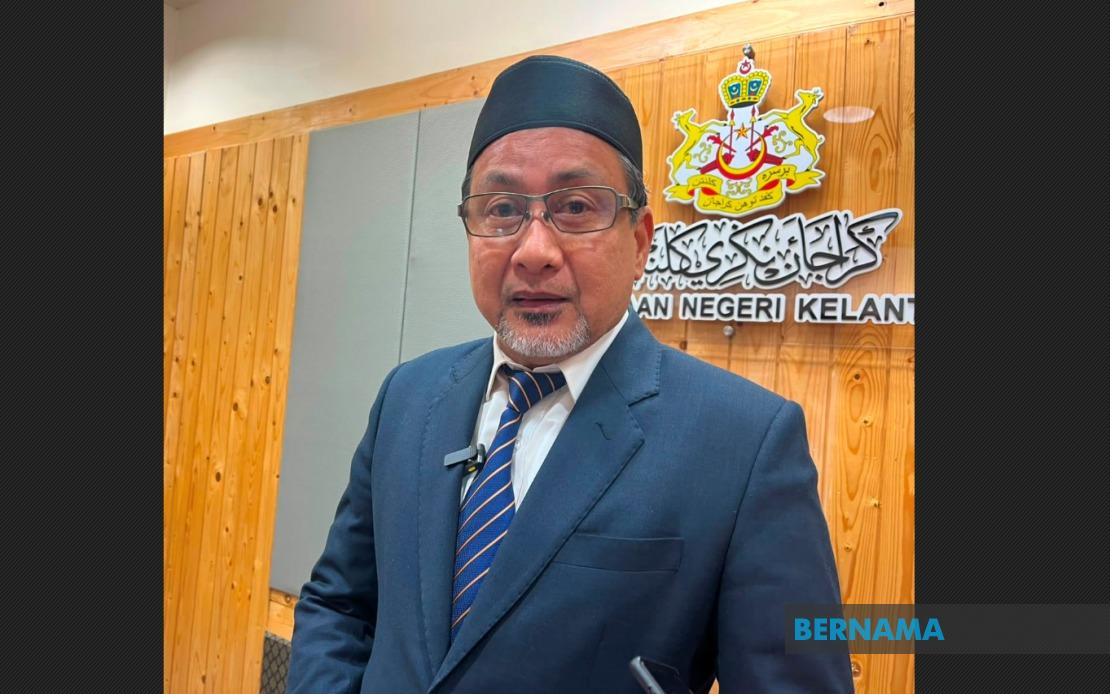
The Kelantan State Assembly Elite League faces new operational requirements following a directive from the state government requiring all matches to be immediately halted when adverse weather conditions, particularly thunderstorms and heavy rainfall, develop. The order emerged from deliberations at a state executive council meeting in Kota Bharu, where officials reinforced their commitment to preventing sports-related weather emergencies across the state.
Zamakshari Muhamad, who chairs the Kelantan State Youth, Sports, NGOs and Community Unity Committee, articulated the rationale behind the decision during media interactions at the Kota Darulnaim Complex. His remarks underscore how state leadership has prioritised the wellbeing of athletes, match officials, and spectators above the completion of fixtures, establishing a precautionary framework that acknowledges the genuine hazards posed by tropical weather patterns typical to Malaysia's east coast region.
The timing of this directive carries particular significance given a tragic incident that occurred across the border in Thailand just days earlier. During a Golok FA Cup match at Santiphap Stadium in Sungai Golok, Narathiwat, a Thai football player was killed and a Malaysian player sustained injuries after both were struck by lightning during active play. The incident, which received media attention domestically and regionally, appears to have catalysed the Kelantan administration's determination to implement protective measures proactively rather than reactively.
Thunderstorms represent a demonstrable occupational hazard in Malaysian sporting venues, particularly during the monsoon seasons when atmospheric conditions create unpredictable and dangerous circumstances. The vulnerability of outdoor football matches to sudden weather deterioration has long been acknowledged by sports administrators, yet standardised protocols have remained inconsistent across different state governing bodies. Kelantan's new directive potentially establishes a model for neighbouring states and other sporting jurisdictions to evaluate their own safety frameworks and consider comparable protective measures.
Beyond the immediate weather safety concern, Zamakshari also addressed a separate governance matter affecting how entities may reference Kelantan in their promotional activities. The state government has now instituted a requirement that any programme, initiative, or event organised by non-governmental organisations or private parties wishing to use the name "Kelantan" must first secure official approval from the state administration. This administrative control mechanism reflects governmental concern about state branding and accountability.
The policy change responds directly to a previous incident involving the Kelantan International Marathon, which generated substantial social media discussion and criticism. Organisers of that event reportedly collected participation fees from registrants before subsequently cancelling the programme, yet maintained no formal affiliation with or endorsement by the state government. The situation created confusion among participants regarding the legitimacy of the event and raised questions about consumer protection in sports event management.
Such incidents, where private entities utilise state nomenclature to enhance credibility or apparent official status, pose risks to public trust and state reputation. The Kelantan administration's decision to implement prior approval requirements represents an attempt to filter out unauthorised commercial activities that might exploit the state's name for financial gain while leaving participants vulnerable to cancellation or mismanagement. This approach mirrors regulatory frameworks that other Malaysian states have adopted to protect consumers and preserve their institutional brands.
For Malaysian sports administrators and organisers, these developments underscore the evolving expectations around safety protocols and governance transparency. The Kelantan directives signal that state authorities increasingly view themselves as custodians not merely of sporting infrastructure, but of participant welfare and consumer confidence in event legitimacy. This dual focus reflects broader trends across Southeast Asian sporting governance.
The weather suspension directive may require practical coordination between match organisers, local sports authorities, and meteorological services. Determining the precise threshold at which conditions become sufficiently adverse to warrant halting play involves judgement calls, and Kelantan authorities will likely need to develop supplementary guidelines specifying wind speeds, visibility conditions, and other meteorological parameters that trigger match suspension. Such technical specifications remain crucial for consistent implementation.
Regionally, the Kelantan directive carries implications for cross-border football competitions and friendly matches that may involve Thai clubs or players. States bordering Thailand, particularly in the northeast, must consider whether similar safety protocols should apply to international fixtures and how coordination with Thai sporting authorities might enhance mutual safety standards. The lightning incident at Santiphap Stadium demonstrates how weather hazards respect no international boundary.
The requirement for state approval before using the "Kelantan" designation in event naming also carries administrative implications for sports bodies that may operate across multiple jurisdictions. National federations and multi-state tournament organisers must now navigate varying approval requirements, potentially necessitating the development of standardised application procedures or memoranda of understanding with state governments.
Implementation of these directives will test the coordination capacity of Kelantan's sports administration apparatus. Success depends on effective communication with all stakeholders, from professional and semi-professional league administrators to grassroots community sports organisers. Public education campaigns explaining the weather suspension protocol and the approval requirements for state name usage will likely prove necessary to ensure broad compliance.

