Kelantan's enforcement agencies have intensified their response to illegal mining and land encroachment, with state authorities confirming the initiation of 63 investigation papers into such activities since the beginning of 2025 through June. The surge in investigations reflects mounting pressure on state resources to combat what has become an increasingly visible problem across several high-risk zones in the state.
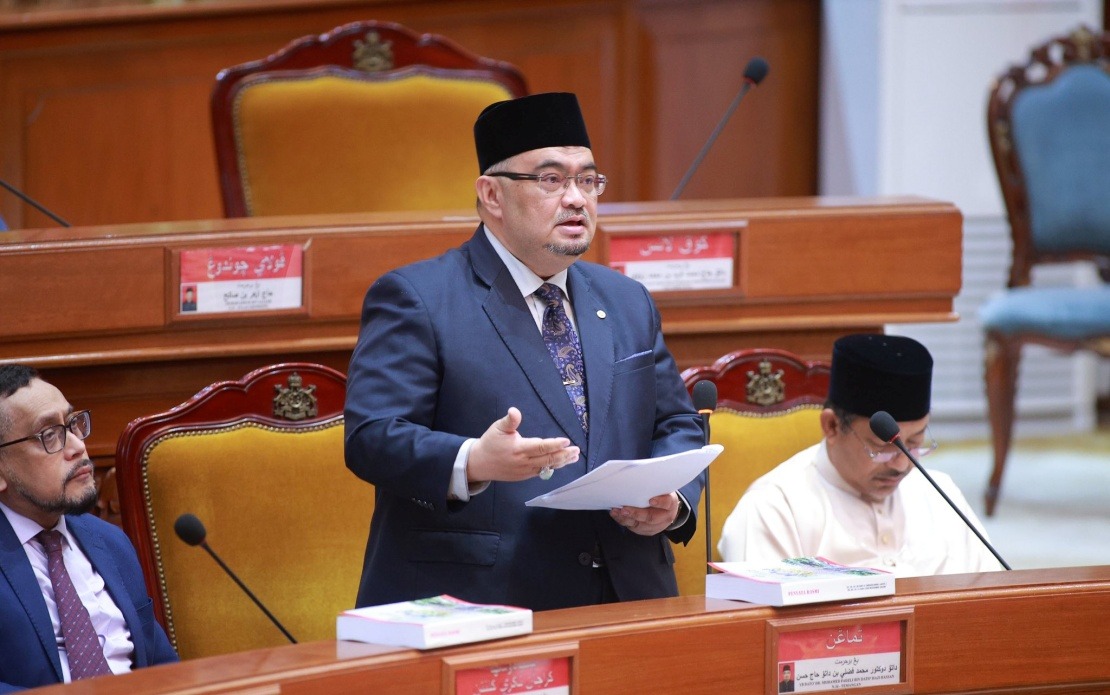
The scale of enforcement action underscores the commitment being displayed by the Kelantan state government to tackle these environmental and administrative infractions head-on. Deputy Menteri Besar Datuk Dr Mohamed Fadzli Hassan disclosed during a session of the Kelantan State Legislative Assembly at Kompleks Kota Darulnaim that authorities had conducted a total of 77 field operations targeting known hotspots. These operations were concentrated in four districts: Gua Musang, Kuala Krai, Jeli and Tanah Merah, which have historically experienced persistent problems with unauthorised extraction and land appropriation.
The enforcement efforts have reaped tangible results in terms of asset seizures. Authorities have impounded 65 excavators throughout the same period, equipment estimated to carry a combined value of RM15.8 million. The removal of this heavy machinery is intended to substantially degrade the operational capacity of organised illegal mining networks, making it considerably harder for such operations to function effectively. By targeting the logistics and physical equipment rather than simply pursuing individual perpetrators, the approach aims to disrupt the underlying infrastructure that enables sustained illegal activity.
All investigation papers stemming from the enforcement operations have been formally submitted to the Prosecution Unit of the Kelantan Land and Mines Office (PTG) for processing and further prosecution action. This handover represents a critical juncture in the enforcement pipeline, as PTG officials must now determine appropriate charges and build cases suitable for courtroom presentation. The volume of cases suggests that the Prosecution Unit faces considerable workload pressures in reviewing and advancing these matters through the judicial system.
During legislative questioning, concerns were raised about the broader networks potentially sustaining illegal mining operations. Datuk Mohd Syahbuddin Hashim posed a supplementary question regarding the involvement of middlemen, masterminds, organisers, protectors or other beneficiaries in the illegal activities. Mohamed Fadzli responded that investigations would extend beyond the operators themselves to identify individuals or entities facilitating or profiting from the scheme. The acknowledgement of this multi-layered criminal structure is significant, as it reveals that authorities recognise the involvement of more sophisticated networks rather than isolated operators.
The investigation strategy outlined by the deputy menteri besar involves using land ownership records as a starting point for broader inquiries. By identifying legitimate landowners associated with illegal extraction sites, authorities can then conduct targeted investigations to establish whether those individuals were complicit, negligent, or victimised by unauthorised operations on their property. Where evidence supports criminal involvement, police reports will be filed and formal investigation papers opened against identified suspects.
Seeking to strengthen the deterrent effect of enforcement action, the Kelantan state government has engaged with relevant authorities and the PTG regarding a potential revision of applicable penalties. Particular emphasis has been placed on penalties for repeat offences, which currently may not carry sufficient weight to discourage recidivism. By introducing stricter sentencing frameworks, particularly for habitual offenders, the state hopes to elevate the perceived risk associated with engaging in illegal mining or encroachment activities.
The geographic concentration of illegal mining in the four mentioned districts reflects the geological and administrative characteristics of those areas. Gua Musang and Kuala Krai, in particular, contain significant mineral deposits and have seen historical mining activity, making them attractive targets for illegal operators seeking to exploit resources with minimal oversight. The district-specific enforcement approach allows authorities to concentrate resources and develop localised intelligence networks, though it also suggests that resources remain stretched when attempting to cover all affected areas simultaneously.
For Malaysia more broadly, Kelantan's enforcement push against illegal mining and encroachment represents a microcosm of wider regional challenges. Illegal mining has become increasingly problematic across Southeast Asia, driven by global commodity prices and organised criminal involvement. The techniques being employed in Kelantan—asset seizure, multi-agency coordination, and attempts to disrupt criminal networks rather than merely arrest perpetrators—align with international best practices in combating resource extraction crimes.
The economic dimension of this enforcement activity warrants consideration. The RM15.8 million worth of excavators seized represents significant capital losses for illegal operators, yet the profitability of clandestine mining operations often justifies investment in replacement equipment. This creates an ongoing dynamic wherein authorities must consistently maintain enforcement pressure to prevent rapid reinvestment in seized assets. The sustainability of such enforcement campaigns depends on adequate budgeting and political will over extended periods.
Looking forward, the success of Kelantan's initiative will be measured not merely by the number of investigations opened, but by the conviction rates achieved through the court system and the resultant deterrent effect on future illegal activity. The commitment to investigating networks beyond individual operators suggests a more sophisticated understanding of how such activities are organised and maintained, offering potential lessons for other states contending with similar challenges.
The enforcement drive also reflects broader governance concerns about state territorial control and the rule of law. When illegal mining and encroachment persist openly across defined districts, it signals either insufficient state capacity or inadequate political priority afforded to the problem. By escalating enforcement and demonstrating visible consequences for violators, the Kelantan administration is reasserting state authority over land and resources within its jurisdiction.

