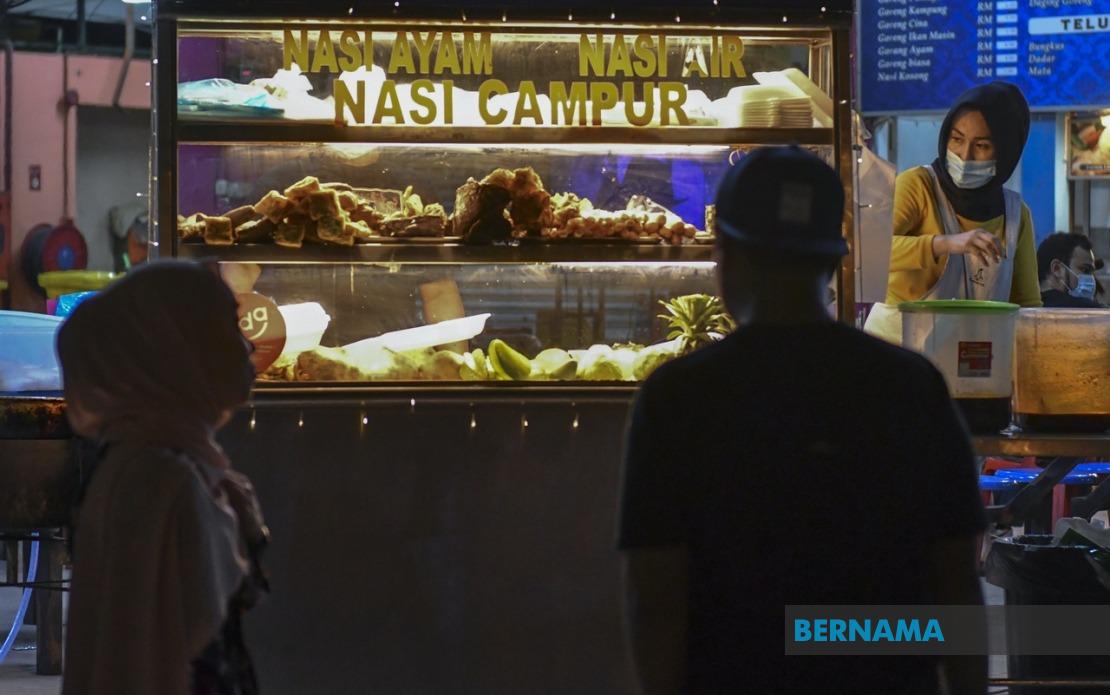
The Kelantan state government has committed to stepping up its oversight of food premises across the state in response to mounting concerns about halal compliance that have gained significant traction on social media. The decision reflects growing public worry about whether certain eating establishments, particularly those operated by non-Muslim proprietors, are maintaining the religious and ethical standards expected under Islamic law. State officials have acknowledged the seriousness of the issue while emphasizing the need for methodical investigation before implementing stricter enforcement measures.
Mohd Asri Mat Daud, chairman of the State Islamic Development, Dakwah, Information and Regional Relations Committee, outlined the government's response while speaking at a halal certification presentation ceremony in Kota Bharu. He explained that preliminary investigations are underway to gather fuller details about the allegations before the authorities pursue formal action. The state administration recognizes that such controversies can rapidly erode consumer confidence and damage the reputation of Kelantan's food industry if left unaddressed. Mohd Asri emphasized that the government takes these matters seriously and is committed to preventing the spread of non-compliant practices across the state.
The enforcement responsibilities for halal standards fall primarily under the Kelantan Islamic Religious Affairs Department, though Mohd Asri's office will collaborate closely with the department to ensure investigations are properly coordinated and comprehensive. This multi-agency approach reflects recognition that halal compliance requires both religious expertise and administrative resources. The coordination between committees and specialized departments demonstrates a structured response to what initially appeared as scattered complaints on social platforms. Officials have indicated that heightened inspections will commence if investigations confirm substantive breaches of halal requirements.
Mohd Asri noted that the state government has not yet received formal, official complaints regarding the allegations circulating online, though this does not diminish the need for proactive vigilance. When complaints are formally lodged, they will be processed through established investigative procedures to ensure due process and accuracy. The reliance on formal reporting mechanisms reflects the government's commitment to avoiding rushed judgments based solely on unverified social media posts, while simultaneously signaling that authorities are monitoring the situation closely. The lack of official complaints does not equate to inaction; rather, it has prompted government-initiated inquiries to determine whether violations have genuinely occurred.
The original controversy emerged when a Facebook user disclosed information questioning the halal certification status of several food premises owned by non-Muslim operators that serve Muslim customers. The post quickly gained viral attention, generating diverse reactions across social media platforms and sparking public discussion about consumer protection and religious compliance standards. Such incidents highlight the power of digital platforms to rapidly amplify concerns about food safety and religious adherence, even when specific allegations lack formal verification. The controversy underscores broader anxieties within Muslim-majority Malaysia about maintaining halal integrity across the food supply chain, particularly where non-Muslim ownership is involved.
Mohd Asri used the occasion to issue a direct appeal to food premise operators, urging them not to compromise shariah compliance in their pursuit of commercial profit. He warned that such shortcuts could substantially damage the confidence that Muslim consumers place in their local food establishments. This messaging reflects a fundamental tension in Malaysia's food industry: the need to respect religious and ethical standards while allowing entrepreneurship across different communities. By appealing to operators' enlightened self-interest—noting that consumer trust is essential for long-term business success—officials attempted to frame halal compliance as beneficial not only to religion but to business sustainability.
Simultaneously, Mohd Asri encouraged members of the public to remain vigilant about the halal status of food premises they frequent. He urged consumers to inquire about certification and to report any suspected violations to authorities. This appeal to consumer consciousness represents a broader strategy of distributing responsibility for monitoring standards beyond government agencies alone. In a state like Kelantan, where Islamic values hold significant cultural and political importance, engaging citizens as partners in maintaining religious compliance standards gains particular resonance. The government framed public awareness and reporting as complementary to official inspection mechanisms.
The state administration is simultaneously promoting Malaysia's formal Halal Certification program as a solution to these compliance questions. Mohd Asri announced that the government aims to process halal certification applications within thirty days, contingent on applicants' readiness and demonstrated compliance with established guidelines. This expedited processing timeline represents an effort to reduce barriers to formal certification, making it easier for premises to obtain official verification of their halal status. By streamlining the certification process, authorities hope to incentivize food operators—regardless of their religious background—to pursue formal recognition rather than relying on informal or undocumented compliance claims.
The implications of these developments extend beyond Kelantan to the broader Malaysian food industry. As a state with a particularly conservative Islamic orientation and strong religious governance structures, Kelantan's approach to halal enforcement often influences perspectives and practices elsewhere. The incident illustrates how social media can rapidly mobilize public concern about religious and food safety standards, forcing government responses that balance religious authenticity with administrative due process. For food businesses operating in Malaysia, the episode serves as a reminder that halal compliance is not merely a regulatory formality but a matter of considerable public concern that can significantly affect commercial operations and reputation.
Looking forward, the intensity of inspections will likely depend on investigation findings and the frequency of future complaints. If violations are substantiated, Kelantan's enhanced monitoring regime could become permanent, potentially setting precedents for other states. The situation also highlights the importance of clear communication between government authorities and food industry stakeholders about halal requirements, certification procedures, and enforcement standards. For Malaysian consumers, particularly those in Kelantan, the government's commitment to stepped-up monitoring may provide reassurance, though long-term confidence will depend on visible results and sustained enforcement consistency over time.

