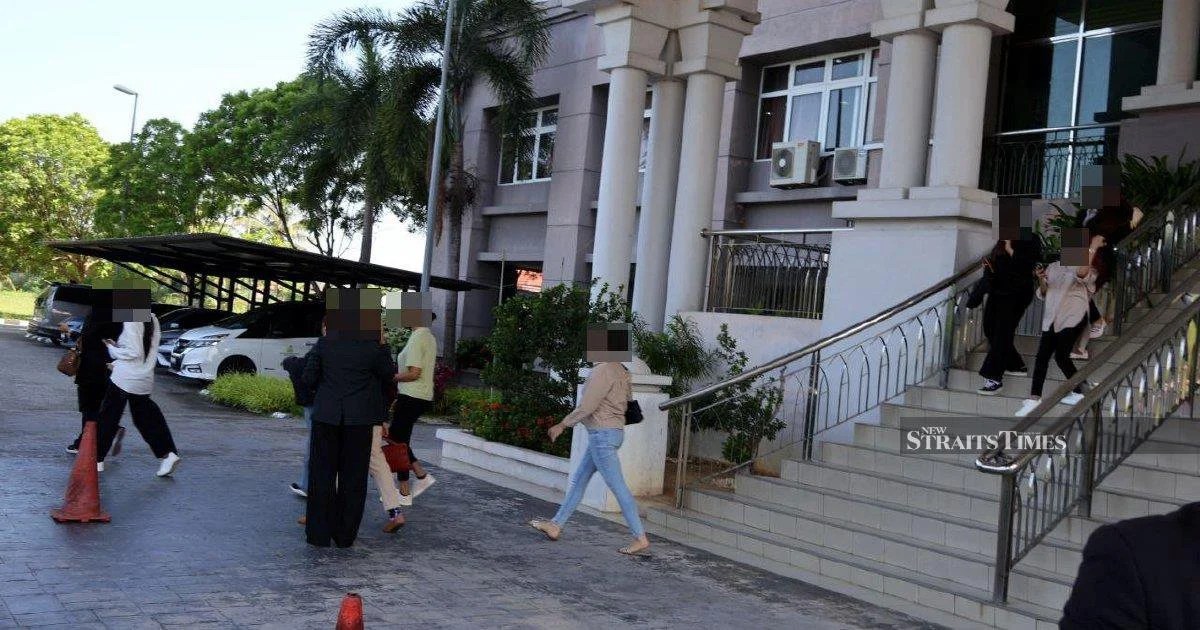
The Syariah Lower Court in Kota Baru postponed proceedings today in the trial of 14 men who face charges related to dressing in female clothing at an apartment located on Jalan Mahmood during the previous year. The court's decision to adjourn the hearing represents a procedural pause in what has become a closely watched case within Malaysia's Islamic legal framework.
Cases brought before Syariah courts under cross-dressing provisions typically centre on interpretations of Islamic dress codes and societal norms. The postponement allows both the prosecution and defence adequate time to prepare their respective arguments, a standard practice within the Malaysian Islamic judicial system. Such adjournments are common in complex cases involving multiple defendants, where coordination of evidence and witness availability requires careful scheduling.
The specific location of the incident—an apartment building in Kota Baru—suggests the matter came to the attention of enforcement authorities through a residential complaint or routine inspection. Kelantan, governed by religious administration frameworks that emphasise strict interpretation of Islamic law, has historically maintained vigilant oversight of activities deemed non-compliant with Islamic principles. The state's approach to religious enforcement reflects broader philosophical differences across Malaysia's federal system regarding the scope and application of Syariah law.
The involvement of 14 defendants indicates what authorities characterised as an organised gathering rather than isolated individual behaviour. This distinction carries legal significance, as collective activity may be pursued more assertively within the Syariah system than spontaneous personal conduct. The number of accused also complicates procedural management, requiring the court to balance efficiency with fairness to each defendant's individual circumstances and legal representation.
Malaysia's dual legal system creates distinct pathways for matters classified as Islamic offences, with Syariah courts operating parallel to civil courts. These Islamic courts possess exclusive jurisdiction over Muslims in matters prescribed by federal and state Syariah enactments, including dress codes and public morality provisions. The precise charge under which these 14 men are prosecuted would derive from Kelantan's specific Islamic legal codes, which vary from other states' formulations.
The postponement itself raises questions about the strength of the prosecution's case and the complexity of evidence required. Syariah court proceedings involving conduct-based offences frequently hinge on witness testimony, surveillance documentation, or physical evidence establishing intent and participation. With multiple defendants, establishing individual culpability becomes procedurally intricate, potentially explaining why the court deemed additional preparation time necessary for both sides.
From a legal procedure standpoint, adjournments allow defence counsel to file preliminary applications, challenge evidence admissibility, or negotiate potential outcomes. In some instances, such delays create space for negotiated resolutions that spare defendants and courts the burden of protracted trials. The interim period also enables defendants to gather character witnesses or documentation supporting mitigating circumstances relevant to sentencing, should convictions eventually occur.
Public attention to this case reflects broader societal conversations occurring across Southeast Asia regarding gender expression, personal freedom, and the scope of religious authority within civil governance. Malaysia's position as a Muslim-majority nation with constitutionally enshrined religious provisions creates particular salience for cases that pit traditional Islamic interpretations against contemporary concepts of individual autonomy. Unlike some neighbouring jurisdictions, Malaysia's Syariah courts maintain active enforcement authority in moral and behavioural matters affecting Muslim citizens.
The case also illustrates enforcement patterns within Kelantan, where Syariah authorities have pursued cases involving activities classified as contrary to Islamic teachings with measurable consistency. This enforcement approach contrasts with some other Malaysian states where similar allegations might receive different prioritisation or proceed through distinct charging frameworks. Such variations underscore how federalism affects Islamic law implementation across Malaysia's thirteen states.
Procedural postponements in high-profile Syariah cases frequently extend across months, reflecting both docket pressure within Islamic courts and the deliberate pace often characteristic of these proceedings. Observers monitoring religious law development in Malaysia note that outcomes in cases involving lifestyle and personal conduct significantly influence jurisprudential direction and enforcement priorities across state boundaries.
For the 14 defendants, the postponement extends an uncertain period during which charges remain pending. Malaysian Syariah court processes typically allow bail or conditional release pending trial, though specific conditions vary by jurisdiction and case circumstances. The practical implications for employment, family circumstances, and social standing remain significant throughout the interim period preceding trial resumption.
The court's next scheduled date for these proceedings remains undefined following today's adjournment, though formal notice would be issued to all involved parties specifying the resumption timeline. This delay provides opportunity for both prosecution and defence to refine arguments while the broader legal and social implications of the case continue developing within public discourse surrounding religious authority and personal conduct in contemporary Malaysia.

