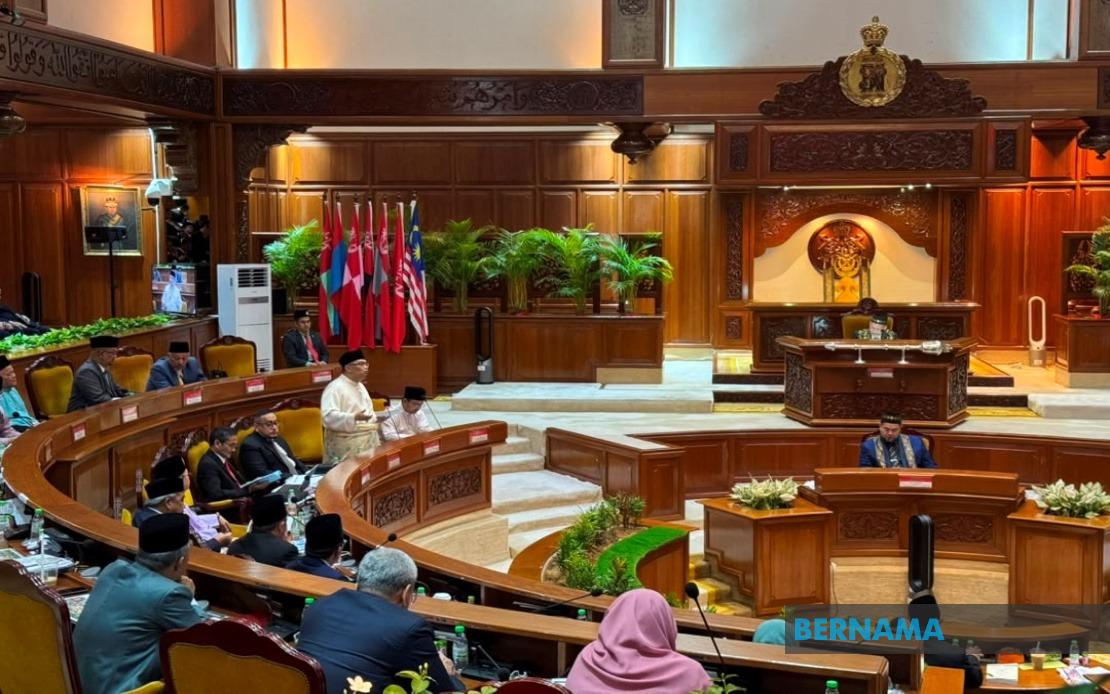
Kelantan's legislative assembly has unanimously endorsed a comprehensive overhaul of the state's Syariah criminal law framework through the Syariah Criminal Offences (Kelantan) Bill 2026, marking a significant shift in how the state applies Islamic legal principles within the federal Malaysian system. The reformed legislation, which replaces provisions from the 2019 Kelantan Syariah Criminal Code Enactment, introduces three cornerstone reforms: restorative sentencing mechanisms, a structured approach to compoundable offences, and escalated penalties for serious religious transgressions, according to Kelantan Deputy Menteri Besar Datuk Dr Mohamed Fadzli Hassan.
The restorative sentencing framework represents perhaps the most progressive element of the Bill. Rather than focusing exclusively on punitive measures, this approach emphasises community reintegration through mandated community service periods that must be fully completed within a single calendar year. This aligns with contemporary penological trends found in secular jurisdictions worldwide, suggesting that Kelantan is adopting rehabilitative principles alongside religious accountability. The community service requirement aims to provide offenders with opportunities to contribute meaningfully to society while serving their sentences, potentially reducing recidivism and fostering social rehabilitation in addition to spiritual reformation.
The Bill's treatment of compoundable offences introduces a refined mechanism whereby the Sultan of Kelantan retains discretionary authority to specify which categories of offences can be settled through compensation or negotiation rather than formal prosecution. Through orders published in the state gazette, the Sultan's administration will establish standardised procedures and documentation forms governing the compounding process. This approach preserves Islamic jurisprudential flexibility while providing clarity and predictability for both enforcement authorities and the public, reducing potential inconsistencies in how similar cases are resolved across different jurisdictions within the state.
Penalty enhancement constitutes the third major reform component, with the legislation prioritising whipping as the primary punishment for severe religious offences. The designated serious transgressions include attempted apostasy, deliberate neglect of a child's Islamic upbringing, violations of modesty and bodily integrity standards, consumption of intoxicating substances, gambling activities, illicit sexual intercourse, and out-of-wedlock pregnancy. This emphasis on corporal punishment reflects a stricter interpretive approach to Syariah implementation compared to the 2019 framework, potentially signalling Kelantan's intention to adopt more conservative standards in religious criminal enforcement.
The Bill introduces six entirely new provisions addressing gaps in the previous legal framework. The first covers abandonment or neglect of obligatory prayers, codified under Clause 10. Two additional provisions establish offences related to guarding private parts and body parts more generally, reflecting concerns about immodesty and physical boundary violation. A fourth provision addresses intellectual protection, targeting acts that damage mental and cognitive wellbeing. Finally, two clauses establish the formal compounding mechanisms by which Syariah offences can be settled and specify which state authorities possess compounding power, creating institutional clarity around settlement procedures.
Significant revisions to earlier provisions reshape the legal landscape substantially. The 2019 prohibition on desecrating places of worship has been substantially redrafted through Clause 12, now framed specifically as disturbance of Muslim worship places. More dramatically, the 2019 sodomy provisions have been entirely repealed and replaced with Clauses 15 and 16, which relocate the focus from sexual orientation to broader standards regarding guarding private parts and bodily integrity. This reconceptualisation suggests a shift in how the offences are legally categorised and prosecuted, though practical implications for enforcement remain unclear.
The comprehensive structure of the Bill reflects deliberate legislative drafting, encompassing nine distinct parts organised across 62 substantive clauses plus one schedule. This systematic architecture aims to provide greater clarity, internal consistency, and authoritative guidance compared to the previous framework. The multi-part structure likely addresses different categories of religious obligations, penalty classifications, procedural safeguards, and enforcement mechanisms, creating a more granular legal structure that anticipates implementation challenges and provides guidance to courts and administrative bodies.
For Malaysian observers beyond Kelantan, this legislation carries broader implications for federal-state religious jurisprudence. Malaysia's federal system grants states significant autonomy over Syariah law within their territories, resulting in considerable variation in how Islamic legal principles are applied across different states. Kelantan's reformed approach, combining restorative elements with enhanced penalties and structured compounding, may influence legislative discussions in other states considering their own Syariah criminal law updates. The model potentially demonstrates how Islamic legal frameworks can incorporate contemporary rehabilitation principles while maintaining traditional elements valued by conservative constituencies.
The unanimous passage through the state legislative assembly suggests significant political consensus behind these reforms, indicating that Kelantan's government, opposition representatives, and Islamic scholars have accepted the proposed modernisations despite their mixed progressive and conservative elements. This consensus may facilitate smoother implementation and public acceptance compared to legislation passed through narrow majorities amid ongoing debate. However, the absence of significant public discourse preceding the passage raises questions about community consultation and stakeholder input from civil society, business communities, and affected populations.
Practical implementation challenges will determine whether the Bill achieves its stated objectives. Courts and enforcement authorities must receive adequate training on restorative sentencing principles, compounding procedures, and the reformed offence definitions to apply the legislation consistently and fairly. The one-year completion requirement for community service demands clear administrative infrastructure for monitoring and verification. Additionally, the increased emphasis on corporal punishment requires robust safeguards against abuse and clear protocols for medical oversight, as international human rights standards increasingly scrutinise such penalties.
From a Southeast Asian perspective, Kelantan's approach reflects a distinctive position within the region's diverse approaches to Islamic law implementation. While some Southeast Asian jurisdictions have moved toward greater integration of Syariah with secular administrative principles, Kelantan's Bill simultaneously introduces rehabilitative elements and enhanced religious penalties, creating an internally complex regulatory framework. This nuanced approach may offer lessons for other Muslim-majority jurisdictions seeking to balance traditional Islamic jurisprudence with contemporary penological understanding, though implementation success will require sustained institutional commitment and resources.
The Bill's passage positions Kelantan as a significant laboratory for Islamic criminal law experimentation within Malaysia's federal system. Observers in other states, particularly those with substantial Muslim populations and active religious governance structures, will likely monitor implementation outcomes closely. Success in rehabilitating offenders while maintaining religious accountability could influence broader Malaysian conversations about balancing punishment, rehabilitation, and religious principle in increasingly plural societies where diverse values and legal traditions coexist.

