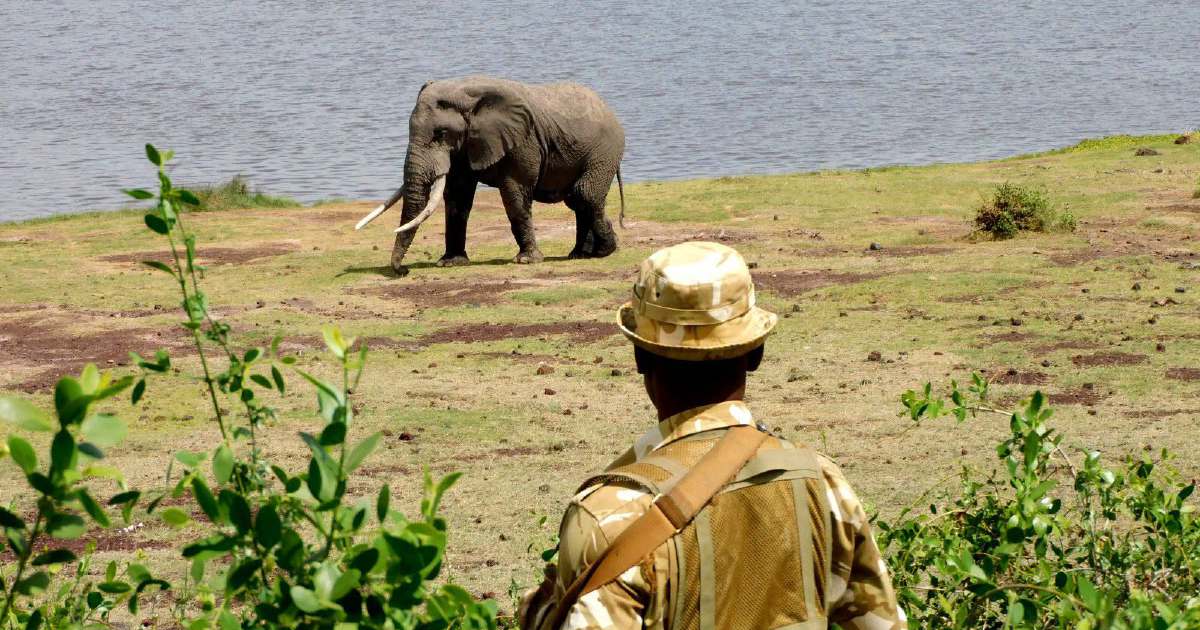
Kenyan authorities have launched a formal inquiry into a disturbing spate of elephant deaths at Amboseli National Park, where 15 animals died within a single month in circumstances that remain unclear. The Kenyan Wildlife Service confirmed the investigation on Tuesday, marking the beginning of what officials hope will shed light on the causes behind the mysterious losses at one of East Africa's most prominent wildlife sanctuaries.
The scale of mortality across such a compressed timeframe has triggered significant concern among conservation experts and park management. Amboseli, situated at the foot of Mount Kilimanjaro near the Tanzania border, serves as a critical refuge for some of Kenya's most iconic elephant populations and plays a vital role in regional wildlife tourism. The sudden cluster of deaths represents an unusual event that demands urgent clarification, as elephants form the cornerstone of the park's ecological balance and economic value.
Wildlife officials are examining multiple potential causes for the deaths, a standard protocol when investigating unexplained animal mortality in protected areas. Such investigations typically consider factors including disease outbreaks, contaminated water sources, poisoning, malnutrition, or environmental stressors that might collectively impact a population. The concentrated nature of these deaths—occurring within a month—suggests a common underlying cause rather than random, isolated incidents, though investigators have not yet made definitive conclusions.
Disease remains among the leading concerns for park authorities. Elephant populations can be vulnerable to various pathogens, and in the confines of a national park where animals congregate around limited water sources during dry periods, infectious agents can spread rapidly through the herd. The park's geographical location and recent rainfall patterns will likely feature prominently in the investigation, as drought conditions and water scarcity have previously triggered wildlife mortality events across East Africa.
Amboseli's elephant population holds particular significance for both Kenya and the broader East African conservation landscape. These animals are not merely wildlife assets but serve as umbrella species—their protection and well-being contribute to the preservation of countless other species sharing their habitat. Furthermore, the park generates substantial revenue through tourism, making the health of its elephant population directly relevant to Kenya's economy and the livelihoods of communities dependent on wildlife-related income.
The investigation arrives at a time when Kenya's wildlife sector faces mounting pressures from habitat loss, climate variability, and human-wildlife conflict. Recent years have witnessed recurring drought cycles that have stressed animal populations across the region, and any disease or environmental event threatening concentrated elephant populations becomes a matter of national conservation priority. The findings from Amboseli will likely inform broader wildlife management strategies across Kenya's protected areas.
International conservation organisations are monitoring the situation closely, as Amboseli serves as a research hub for elephant studies and long-term ecological monitoring. The park has historically contributed invaluable data to our understanding of elephant behaviour, social structures, and population dynamics. Any significant die-off threatens to disrupt decades of continuity in this research and may alter the composition and genetics of the surviving population.
The response from the Kenyan Wildlife Service reflects growing recognition that rapid investigation of wildlife mortality events is essential for effective management. Prompt identification of causative factors allows authorities to implement containment measures if disease is involved, or to address environmental deficiencies that might trigger further losses. Delayed action in such scenarios can permit conditions to worsen, potentially affecting larger portions of the park's wildlife.
For Southeast Asian readers, the situation in Kenya underscores challenges faced across the region's own protected areas and elephant populations. Malaysia, Thailand, Borneo, and other regional nations similarly contend with threats to their elephant populations, including habitat fragmentation, disease, and human conflict. The investigation methods and findings from Kenya will likely inform approaches to wildlife health monitoring and emergency response protocols across Southeast Asia's conservation networks.
The coming weeks will prove critical as investigators collect samples, examine carcasses, and analyse environmental data from Amboseli. Park authorities are likely implementing enhanced monitoring of the surviving elephant population to detect any additional deaths or behavioural changes that might indicate ongoing threats. The transparency with which Kenyan officials handle this investigation may also set precedents for how neighbouring countries address similar wildlife emergencies.
Preliminary findings are expected to provide guidance on whether the elephant deaths represent an isolated incident or reflect broader environmental or health challenges requiring sustained intervention. Whatever the outcome, the investigation demonstrates that even within protected areas, wildlife populations remain vulnerable to sudden, catastrophic events—a reality that shapes conservation priorities not only in Kenya but throughout Africa and beyond.

