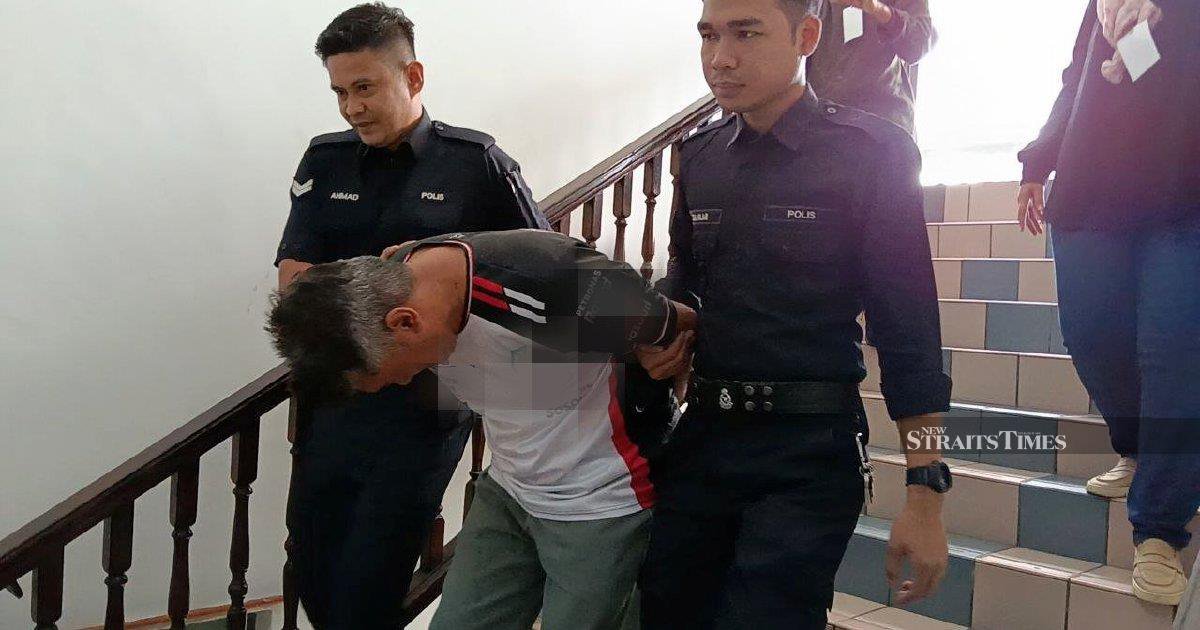
A keropok seller from Melaka appeared in the magistrate's court to face charges related to using a drone to smuggle tobacco into Sungai Udang Prison, in what represents a troubling escalation in the methods deployed to circumvent correctional facility security measures. The accused was charged with two counts: criminal trespass and smuggling contraband items into the prison facility, both offences that underscore the adaptability of those seeking to supply prohibited goods to inmates.
The incident underscores an emerging vulnerability within Malaysia's correctional infrastructure. The use of unmanned aerial vehicles to deliver contraband marks a sophisticated departure from traditional smuggling methods, which have historically relied on direct contact during visits, manipulation of staff, or concealment in supply deliveries. Drones present law enforcement with novel challenges because they operate beyond conventional detection systems and can access areas that remain difficult to monitor through traditional surveillance.
Sungai Udang Prison, located in Melaka, is one of several major correctional facilities serving peninsular Malaysia. Like most prisons, it houses inmates across various security classifications, and maintaining order requires constant vigilance against contraband entry. The prevalence of prohibited items—particularly tobacco, which remains highly sought after in confined environments despite smoking bans—has been an enduring headache for prison administrators nationwide.
The fact that the accused worked as a keropok seller raises questions about how someone in such a profession might have accessed drone technology and identified entry points within the prison's perimeter. This suggests either that the operation involved contacts within or connected to the prison system, or that security boundaries remain sufficiently porous that outsiders can conduct surveillance and plan operations with relative confidence.
Tobacco smuggling into prisons reflects broader patterns of contraband movement in Malaysia's correctional system. While the substance itself remains legal, its prohibition within prison walls stems from behaviour management and health policy decisions. However, demand remains robust, and the illicit supply chain reflects opportunities for profit among those willing to take legal risks. The monetary incentive is real: tobacco commands premium prices within prisons, creating substantial profit margins for suppliers willing to accept arrest risk.
The deployment of drone technology also carries troubling implications beyond tobacco delivery. Security experts have warned that unmanned vehicles could transport not merely low-risk items like cigarettes but higher-risk contraband including mobile phones, weapons components, or drugs. Each successful operation could establish proof-of-concept for more dangerous smuggling schemes, potentially inspiring copycat attempts at other facilities across Malaysia and the region.
Prison authorities face mounting pressure to modernise detection and interdiction capabilities. Many facilities still rely on relatively basic perimeter security systems designed when such airborne delivery methods were not yet feasible. Upgrading to drone-detection radar, signal-jamming technology, and expanded aerial surveillance requires substantial investment that competes with other pressures on already-stretched correctional budgets.
The charges against the keropok seller carry criminal implications beyond simple smuggling. Criminal trespass charges suggest he accessed restricted prison perimeter areas deliberately. If convicted, he could face imprisonment himself, potentially creating another layer of irony if he ends up detained at a facility similar to the one he allegedly sought to supply. The dual charges indicate prosecutorial intent to pursue serious consequences rather than treating this as a minor contraband matter.
This case also highlights the human element underlying prison security. Someone recruited this keropok seller for the operation. Whether he was coerced, motivated purely by profit, or acting through personal connections remains unclear from initial reporting. Understanding the recruitment pathways and incentive structures that draw civilians into prison supply networks remains crucial for developing prevention strategies.
For Malaysian law enforcement and correctional authorities, the incident serves as a stark reminder that security threats evolve continuously. The resourcefulness demonstrated by those seeking to supply prohibited items means that defensive measures must remain adaptive and forward-thinking. Staff training programmes must keep pace with emerging technologies, and inter-agency coordination between prison authorities, police, and aviation regulators becomes increasingly important.
Regionally, the case reflects challenges faced across Southeast Asia's correctional systems. Thailand, Indonesia, and the Philippines have all reported incidents involving contraband trafficking and prison security breaches. The adoption of drone technology as a smuggling method in Malaysia suggests that other nations may soon encounter similar operations, making information-sharing and coordination across regional law enforcement networks increasingly valuable.
The trial outcome will likely establish important precedents for how Malaysian courts address this emerging threat. Judges will need to balance proportionate sentencing with the seriousness of compromising prison security. Beyond the individual case, authorities must now determine whether enhanced security measures, technology upgrades, or both will be prioritised to prevent similar incidents.

