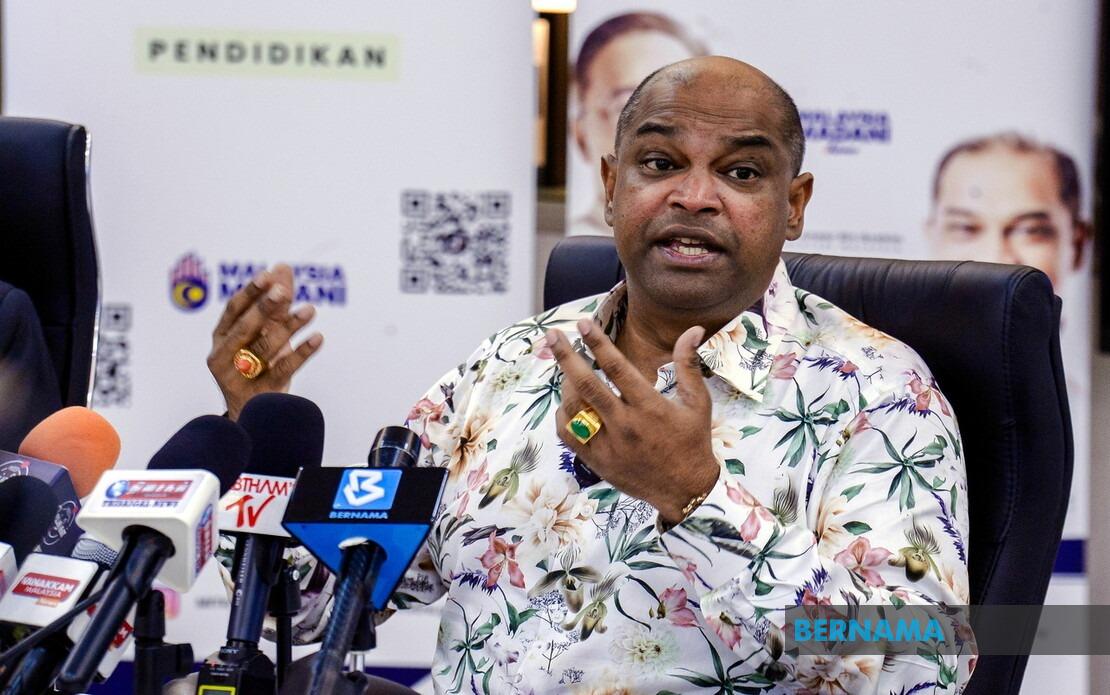
The Ministry of Human Resources (KESUMA) is moving forward with plans to reshape how it funds technical and vocational training, proposing a significant shift from loan-based financing to outright grants. Minister Datuk Seri R Ramanan announced that the ministry is actively consulting other government departments on the proposal, with the goal of presenting a comprehensive case to Cabinet within the coming weeks. This conversion would affect RM100 million in funds currently administered through the Skills Development Fund Corporation (PTPK), fundamentally altering how the government supports students pursuing hands-on career pathways.
The push reflects growing recognition that debt burdens following vocational education can discourage capable individuals from pursuing technical careers, even as Malaysia faces significant skills gaps in manufacturing and service sectors. Currently, PTPK provides financing structured as loans, requiring beneficiaries to repay their educational investment over time. The ministry's proposal seeks to eliminate this repayment obligation entirely, transforming the arrangement into direct grants that place no financial burden on graduates entering the workforce. Ramanan explained that regardless of whether the funds function as loans or grants, the change requires formal Cabinet approval because it represents a material shift in how public money is deployed.
The minister noted that preliminary work on the proposal is underway, but additional refinement and clarification are needed before it reaches Cabinet tables. He indicated that officials are strengthening the evidence base and addressing potential concerns that other ministries might raise about the budgetary implications and precedent-setting nature of such a conversion. This consultation phase is standard in Malaysia's policy-making process, ensuring that competing priorities across government are weighed and that financial sustainability questions are thoroughly addressed before major decisions proceed.
The initiative sits within a broader effort to make technical and vocational education more accessible and financially attractive to Malaysian youth. Technical and Vocational Education and Training (TVET) programmes have historically struggled with perception issues, with many families viewing them as second-tier options compared to academic university routes. By removing the financial penalty of repayment, KESUMA hopes to shift this calculus, making vocational pathways genuinely competitive with traditional tertiary education in terms of cost to families. This approach aligns with Malaysia's economic needs, as manufacturing and construction sectors consistently report shortages of skilled tradespeople and technicians.
Beyond the loan conversion proposal, KESUMA is expanding its broader engagement with potential students through several complementary initiatives. The ministry has introduced the MYFutureJobs Ambassador programme, recruiting current students from higher education institutions to serve as peer advocates within their campuses. These ambassadors function as on-the-ground catalysts, spreading awareness of career pathways and employment services through informal, trusted networks rather than formal channels. The reasoning is straightforward: young people often respond more readily to peers than to government messaging, and campus-based ambassadors can provide authentic, relatable guidance about career options and job market realities.
The ministry has also unveiled Oyen MYFutureJobs, an official mascot designed to humanise the government's employment and skills development initiatives. While mascots might appear cosmetic, they serve a genuine strategic purpose in youth engagement campaigns, making austere government programmes feel more welcoming and approachable. Through the mascot, KESUMA aims to build emotional connection and brand recognition for MYFutureJobs among younger Malaysians still forming their career attitudes. This reflects how modern government communication often combines substance with cultural touchstones that resonate with target demographics.
The MYFutureJobs Lindung Kerjaya Carnival, where Ramanan made these announcements, represents the operational manifestation of these initiatives. Held in Melaka and co-hosted with the Social Security Organisation (Perkeso), the event brought together employment services providers, educational institutions, and job seekers in a single venue. Perkeso's involvement underscores how Malaysia's social security and skills infrastructure are increasingly being integrated, recognising that employment security depends not just on job placement but on workers having relevant, current capabilities. Perkeso board chairman Datuk Seri Subahan Kamal and group chief executive officer Datuk Seri Dr Mohammed Azman Aziz Mohammed's attendance signalled high-level commitment to these employment initiatives.
For Malaysian workers and students, the potential conversion of PTPK loans to grants carries significant practical implications. Those completing vocational qualifications would enter job markets unencumbered by educational debt, improving their capacity to invest earnings in housing, business formation, or further upskilling. This could prove particularly consequential for lower-income families, where loan obligations might force graduates into immediate high-wage employment that leaves no room for career development or entrepreneurship. The ripple effects could extend throughout the economy, as debt-free vocational graduates might demonstrate greater geographic and sectoral mobility, flowing into emerging industries where skills shortages are most acute.
The broader policy direction reflects the MADANI government's stated commitment to inclusive economic development and labour market resilience. By removing financial barriers to vocational training and actively marketing alternative career pathways to university education, the government is attempting to address both immediate unemployment among youth and longer-term skills mismatches. Malaysia's construction boom, expansion of advanced manufacturing, and growth in hospitality and healthcare all depend on steady supplies of trained technicians and skilled workers—roles typically filled through TVET rather than university graduates. Making these pathways more financially accessible could help unlock economic productivity gains while simultaneously improving social mobility for Malaysians without privileged backgrounds.
The Cabinet approval process for converting PTPK financing represents a test case for Malaysia's ability to implement evidence-informed policy at pace. If approved, the model could inform similar reviews of other government financing mechanisms that inadvertently discourage participation in economically important fields. The conversion would also generate valuable data about how removing educational debt affects career choices and labour market outcomes, potentially informing future decisions about government support for other skill-building initiatives. As other Southeast Asian nations grapple with similar vocational education challenges, Malaysia's experience with loan-to-grant conversion could offer practical lessons about policy design and implementation in the region.

