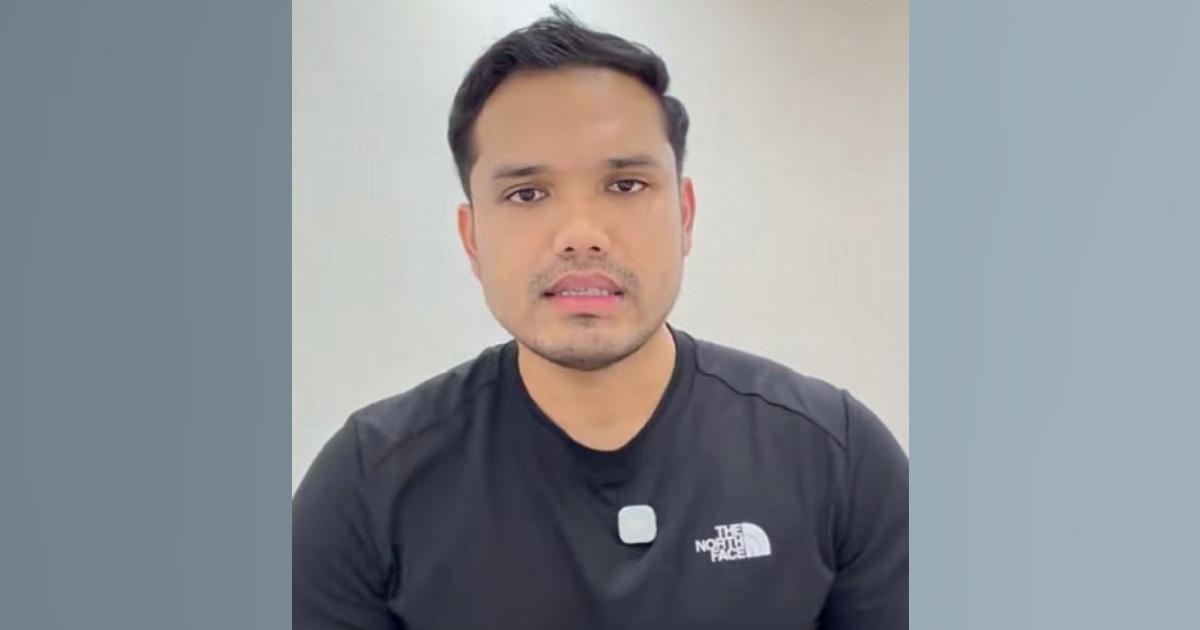
Kuala Lumpur-based content creator and business personality Khairul Aming has come forward regarding what he describes as an unsettling breach of his personal privacy, after his phone bill information appeared online without his knowledge or permission. The revelation has drawn attention to the vulnerabilities that high-profile individuals face in Malaysia's increasingly connected digital landscape, where sensitive telecommunications records can potentially be accessed and shared by unknown parties.
The incident underscores a broader pattern of concern among Malaysian celebrities and influencers regarding unauthorized access to personal documents and financial information. Khairul Aming, who has built a substantial following through his entrepreneurial ventures and social media presence, expressed genuine distress upon discovering that intimate details about his billing arrangements had been circulated publicly. Such breaches not only represent a violation of individual privacy but also raise questions about how telecommunications companies and related service providers protect their customers' sensitive data.
The unauthorized disclosure of phone bill information is particularly troubling because such documents typically contain far more than simple payment records. They frequently include personal contact patterns, data usage habits, and linked account information that can reveal behavioral patterns and relationships. For public figures like Khairul Aming, whose professional reputation and personal safety both depend on discretion, the leak represents a genuine security concern extending well beyond mere embarrassment or inconvenience.
This incident reflects a persistent challenge within Malaysia's digital ecosystem, where data protection protocols—despite existing regulations—often remain inadequate to prevent breaches. While the Malaysian Communications and Multimedia Commission (MCMC) oversees telecommunications regulation, and the Personal Data Protection Act (PDPA) provides legal frameworks for safeguarding personal information, enforcement gaps and technical vulnerabilities continue to enable incidents like this one. The question of whether the breach originated from within a telecommunications company, through a compromised employee account, or via external hacking attempts remains unclear and potentially important for understanding the broader security landscape.
For Malaysian influencers and celebrities who command substantial audiences and earn significant income through various digital platforms and endorsement deals, data breaches take on additional dimensions. Beyond personal privacy concerns, such leaks can impact business relationships, negotiation positions with sponsors, and overall digital security strategies. Khairul Aming's case may prompt other high-profile personalities to reassess their data management practices and demand stronger security assurances from service providers.
The episode also highlights a significant gap in public awareness about data security rights in Malaysia. Many individuals remain uncertain about their legal remedies when personal information is disclosed without consent, or how to report such incidents effectively. While the PDPA theoretically provides protections, the practical pathways for victims to seek redress or hold organizations accountable remain unclear to many Malaysians. This knowledge deficit leaves people vulnerable and potentially unable to pursue appropriate legal or regulatory action when their privacy is violated.
From a regulatory perspective, this incident may prompt the MCMC and relevant authorities to examine their oversight mechanisms more rigorously. Telecommunications companies in Malaysia hold extraordinary volumes of personal data about their subscribers, and the industry's security standards have come under scrutiny multiple times in recent years. Ensuring that telecommunications providers implement robust access controls, encryption protocols, and audit trails for sensitive customer information should be a priority, particularly as Malaysia continues its digital transformation initiatives.
The breach also raises important questions about third-party access to telecommunications data. Service providers often grant legitimate access to various parties—contractors, billing agencies, customer service representatives—and managing these access points effectively is crucial. A single compromised account or a moment of human error can expose millions of records. The incident suggests that telecommunications companies may need to implement more sophisticated access management systems and maintain stricter oversight of who can view customer billing information.
Beyond the immediate personal impact on Khairul Aming, this disclosure serves as a cautionary reminder for all Malaysians about the importance of monitoring their personal information and remaining vigilant about potential breaches. Public figures often become targets precisely because their personal details can command attention or be leveraged for various purposes, making them early indicators of broader vulnerabilities in the system. What affects a high-profile individual today may presage problems that affect ordinary citizens tomorrow.
Moving forward, this case may catalyze discussions around stronger accountability mechanisms for data breaches in Malaysia. Whether through enhanced MCMC enforcement actions, updated PDPA provisions, or industry-led initiatives to improve security standards, the telecommunications sector faces mounting pressure to demonstrate that customer data remains truly protected. For Khairul Aming and others affected by similar breaches, the immediate concern is securing their personal information and understanding their options for recourse, but the broader significance lies in pushing Malaysia toward more robust digital privacy protections.

