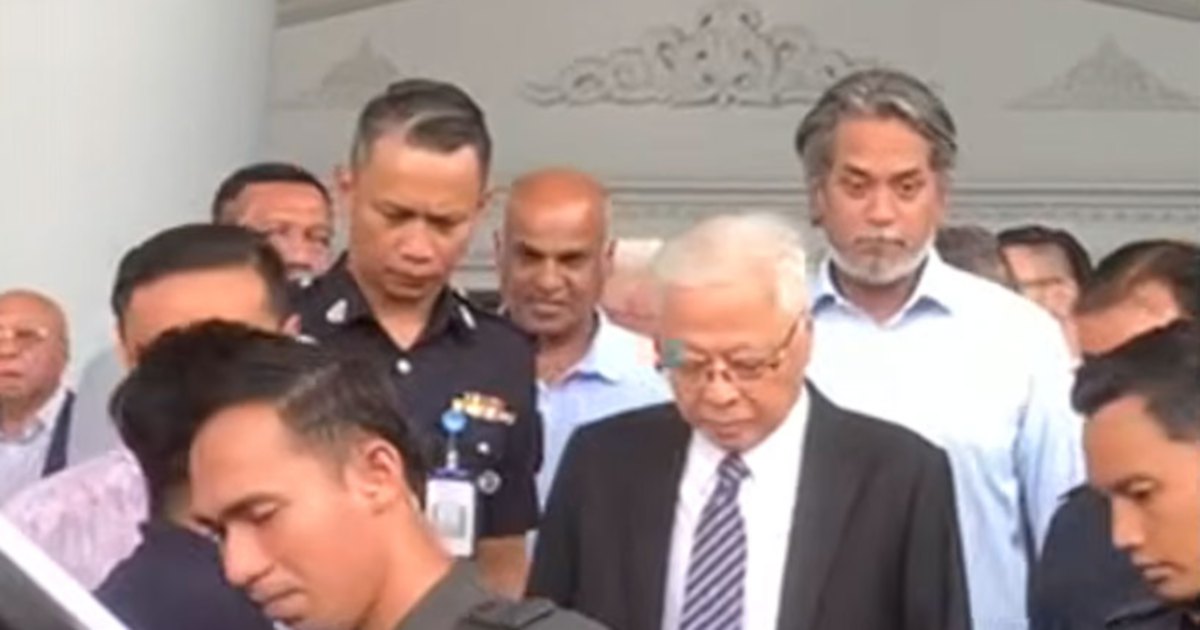
Former Umno Youth leader Khairy Jamaluddin's unexpected appearance at the Kuala Lumpur Court Complex during charge proceedings involving former prime minister Ismail Sabri Yaakob has become a subject of considerable interest among political observers and media commentators alike. The gesture, made publicly at the courthouse, underscores an evolving dynamic within Malaysia's fractured political establishment at a time when several prominent figures face mounting legal scrutiny.
The significance of Khairy's courtroom attendance lies in what it symbolizes about factional alignments within the Umno ecosystem. As a former youth wing chief and one of the party's more publicly prominent younger figures, Khairy's decision to appear alongside Ismail Sabri signals a degree of solidarity that carries weight beyond mere ceremonial support. In Malaysian political culture, such courthouse appearances often carry layered meaning—they demonstrate backing, offer moral support to embattled figures, and communicate messages about factional loyalties to a broader party audience.
Ismail Sabri's legal troubles represent a broader reckoning facing Malaysia's political establishment, where multiple former leaders and officials have faced various charges in recent years. The charges against the former premier emerge within a context of heightened accountability measures and investigations that have touched numerous corridors of power. The nature and scope of these proceedings will likely reverberate through Umno's internal structures, particularly as the party navigates its positioning following the 2022 general election and subsequent political reorganizations.
Khairy's profile within Umno has undergone significant shifts in recent years. Once considered a potential successor within party hierarchy, his trajectory has been subject to the vicissitudes of Malaysian party politics, where factional realignments occur with regularity. His voluntary appearance at Ismail Sabri's proceedings may indicate an attempt to maintain connections with established party elders or reflect a broader strategy of positioning himself within specific power networks during a period of considerable institutional flux.
The optics of such support carry particular weight in Malaysia's current political environment. With the judiciary increasingly visible in political accountability processes, courtroom appearances by senior figures attract intense media scrutiny and become part of the public record of political relationships. Observers note these gestures, analyze their implications, and incorporate them into their understanding of which political actors maintain working relationships and collaborative arrangements.
For Ismail Sabri specifically, having supporters present during court proceedings provides psychological and political reinforcement during a vulnerable period. Former leaders facing legal proceedings often find themselves politically isolated, with erstwhile allies maintaining strategic distance. The visible presence of a party figure like Khairy therefore provides a counternarrative—one suggesting that Ismail Sabri retains meaningful backing within Umno rather than standing entirely alone.
The broader context of Malaysian politics in 2024 includes ongoing tensions within Umno regarding leadership, direction, and factional composition. The party remains Malaysia's largest by membership despite significant challenges to its political hegemony. Internal cohesion remains a persistent concern, with various factions vying for influence over party resources and strategic direction. Moments like Khairy's courthouse appearance become data points through which analysts assess the current state of these internal dynamics.
Such developments also reflect the increasingly interconnected nature of Malaysia's legal and political spheres. When prominent figures face court proceedings, the proceedings inevitably become political events—subjects of interpretation and analysis extending far beyond the narrow legal questions at hand. The courtroom becomes a theater where political relationships are performed, observed, and interpreted by audiences including party members, rival political forces, and the broader Malaysian public.
The implications of Khairy's gesture extend across multiple dimensions. Within Umno, it may influence perceptions of where power and influence currently reside, and which figures command sufficient standing to attend high-profile court proceedings without significant political cost. For Ismail Sabri, it provides concrete evidence that his isolation within the party remains incomplete. For observers of Malaysian politics, it provides insight into contemporary relationship patterns among senior political figures navigating a complex landscape of legal accountability and political survival.

