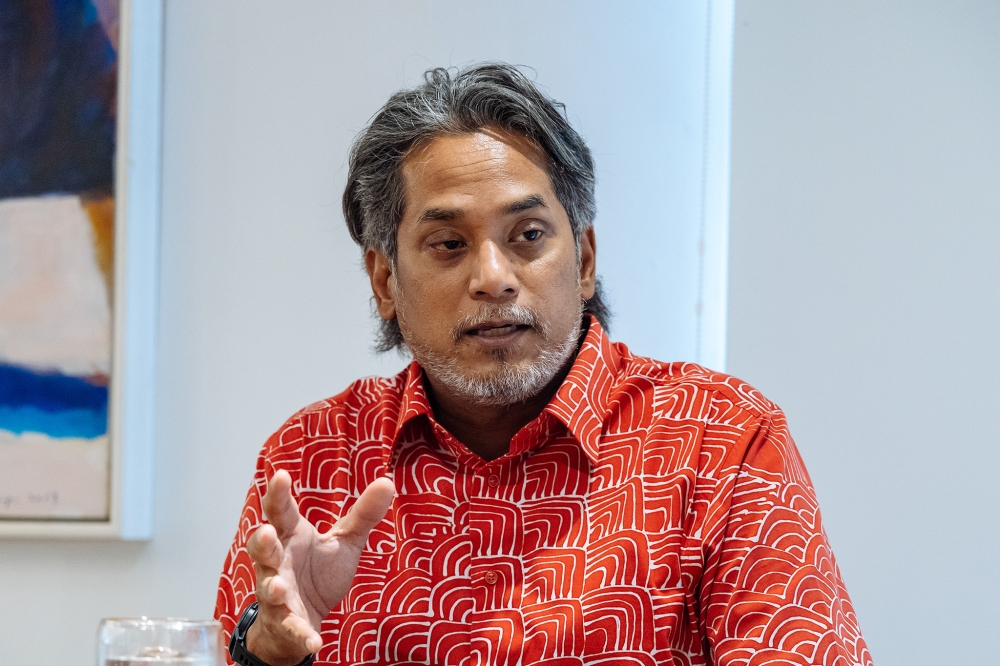
Khairy Jamaluddin's political fortunes may be experiencing a significant turnaround. The former Umno Youth chief, whose parliamentary seat in Rembau was lost in the 2022 general election, is now being discussed within Barisan Nasional circles as a potential state assembly candidate in the same constituency. Sources close to the coalition indicate his nomination could extend beyond a simple legislative seat, with some party leaders discussing whether he might be groomed as a Menteri Besar candidate for Negeri Sembilan—a position that would represent a substantial rehabilitation of his political standing.
Khairy's trajectory in recent years has been marked by significant political turbulence. His loss of the Rembau parliamentary seat in 2022 represented a watershed moment for a politician who had previously occupied prominent positions within Umno's leadership structure. However, the suggestion that he could mount a comeback at the state level in Negeri Sembilan reflects evolving dynamics within the coalition. For Malaysian observers, this development underscores how fluid leadership positions remain even among established parties, where electoral fortunes can shift dramatically across successive election cycles.
The Rembau constituency itself carries particular significance in the broader political landscape of Negeri Sembilan. Situated in the heart of the state, it represents a key battleground for controlling state-level governance. Historically, the state has been relatively stable under BN administration, but recent electoral trends have demonstrated that no seat can be considered entirely secure. That Khairy's name is being floated for this position suggests BN strategists believe his political profile and name recognition could bolster their prospects in what might otherwise be a vulnerable seat.
The Menteri Besar speculation adds another dimension to this potential candidacy. In Malaysian state politics, such positions represent the pinnacle of regional power, requiring careful coalition management and legislative support. If party leaders are genuinely considering Khairy for this role, it indicates confidence in his ability to command support among assemblymen and navigate the complexities of state administration. This would be a remarkable reversal for someone whose recent political history included electoral defeat and a period of diminished profile within Umno's corridors of power.
Within Umno itself, Khairy's potential reinstatement carries implications for internal party dynamics. His elevation to a state leadership position could reshape factional alignments within the party, particularly given ongoing debates about generational renewal and the direction of Umno's political strategy. Younger party members have increasingly questioned whether established figures should receive priority over emerging talent, and Khairy's comeback could intensify these discussions, especially if other candidates had hoped for similar opportunities.
For Negeri Sembilan's political trajectory, Khairy's candidacy would represent a significant personnel change. The state has maintained relative stability in its governance, but recent years have seen increased scrutiny of state-level decision-making, particularly regarding economic development and infrastructure priorities. A new figure at the helm, particularly one with substantial parliamentary experience, could signal shifts in policy emphasis or administrative approach. This would be of particular interest to businesses and development stakeholders operating within the state.
The timing of these discussions is worth examining. Political movements at the state level in Malaysia often precede broader national recalibrations, serving as testing grounds for leadership capabilities and electoral appeal. If Khairy successfully campaigns for a state seat and particularly if he advances toward a Menteri Besar position, it could indicate his broader rehabilitation within Umno and a signal that the party is prepared to reintegrate figures who had experienced electoral setbacks. This carries implications for how Umno addresses its leadership succession and the narrative it constructs around party renewal.
From a Southeast Asian perspective, Malaysia's state politics remain instructive in demonstrating how political survival often depends less on initial electoral outcomes than on adaptive capacity and factional positioning. Khairy's potential resurgence illustrates these dynamics vividly. His ability to leverage his parliamentary experience, political networks, and Umno connections despite electoral defeat exemplifies how Malaysian politicians can engineer comebacks through strategic repositioning. This pattern is less pronounced in some neighbouring democracies, where electoral loss often signals more permanent political exile.
The broader implications for BN's coalition strategy should not be overlooked. Should Khairy assume a prominent state position, it would demonstrate the coalition's confidence in veteran politicians who possess substantial campaign experience and can potentially attract cross-community support. This approach contrasts with strategies focused exclusively on promoting entirely new candidates. For voters in Rembau and across Negeri Sembilan, such decisions will ultimately determine the quality and direction of state governance in coming years. The coming weeks will clarify whether speculation about Khairy's political rehabilitation translates into concrete candidacy announcements.

