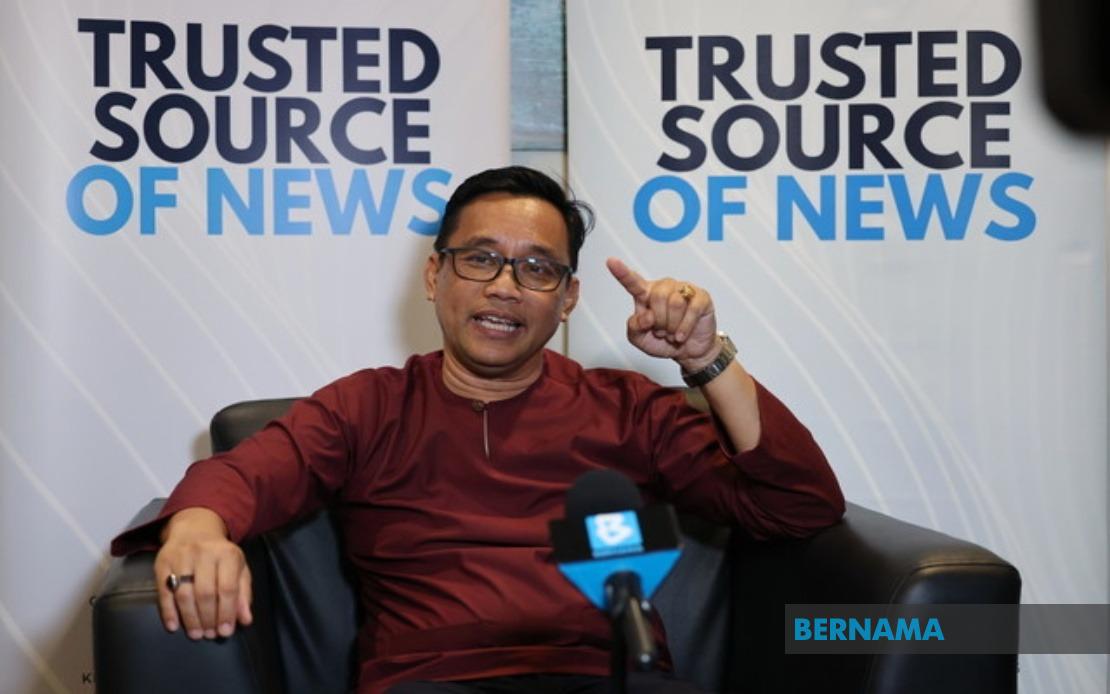
Mohd Khuzzan Abu Bakar is attempting to recapture the Semerah state seat in the 16th Johor state election, presenting his return not as a quest to overturn his previous defeat but as an opportunity to resurrect development programmes that stalled when Pakatan Harapan lost control of the state administration in 2020. The 58-year-old candidate, contesting under the PH banner, frames his comeback as a continuation of unfinished work rather than a political rematch, signalling a campaign strategy focused on tangible infrastructure promises rather than partisan rhetoric.
The former Johor Youth, Sports, Culture and Heritage Committee chairman has identified several priority areas for the Semerah constituency. Restoring the Taman Sri Sulong Youth Mini Complex ranks among his immediate commitments, alongside resolving persistent water supply challenges that have plagued the district and tackling flash flood incidents that periodically affect the broader Batu Pahat and Tanjung Laboh areas. These issues, he suggests, require sustained attention and resources that were unavailable during the transition period following PH's electoral loss.
Khuzzan's personal connection to the constituency forms part of his electoral foundation. Born in Jalan Mesjid, Batu Pahat, and married to a woman from Semerah, he positions himself as someone with deep community roots and genuine stakes in the district's welfare. This biographical narrative underpins his argument that he possesses both the motivation and local knowledge necessary to deliver on electoral promises, distinguishing his candidacy from carpetbagging politicians parachuted into unfamiliar constituencies.
Beyond infrastructure, Khuzzan emphasises economic empowerment, particularly for younger voters navigating an increasingly competitive employment landscape. He advocates for tailored support to facilitate youth job creation within Johor's expanding technology and investment sectors, recognising demographic shifts that have made youth unemployment and career prospects central electoral concerns throughout Malaysia. This approach suggests awareness that infrastructure alone insufficient without corresponding economic opportunity.
The candidate's proposed approach to small and medium enterprise development reflects his background as a former banking officer. Rather than simply increasing funding through schemes like TEKUN Nasional and Amanah Ikhtiar Malaysia, Khuzzan argues for complementary financial management training and structured guidance to help entrepreneurs navigate complex loan processes and business expansion strategies. This focus on capacity-building alongside capital addresses a chronic challenge affecting SME success rates throughout the country.
Khuzzan's campaign methodology demonstrates how electoral politics in Malaysia has evolved, particularly regarding voter engagement. He credits social media platforms including TikTok, Instagram, and Threads with expanding his reach across demographic groups, noting with particular surprise that substantial numbers of senior citizens follow his TikTok account. This observation challenges assumptions about technology adoption among older Malaysians and indicates that digital engagement strategies have become essential regardless of a candidate's age or demographic target.
Youth-focused campaign activities have been integrated throughout his outreach effort, incorporating competitive activities including e-sports, sepak takraw, and carrom tournaments alongside educational sessions addressing artificial intelligence and digital technology literacy. These initiatives serve dual purposes: they generate engagement and provide practical exposure to emerging economic opportunities that will shape employment prospects for voters currently in their teens and twenties.
According to Election Commission data, Semerah's 47,431 registered voters include a substantial youth contingent, with approximately 37.4 per cent of the electorate aged between 18 and 39. This demographic composition suggests that candidates neglecting youth-specific messaging and programming do so at considerable electoral risk. Khuzzan's campaign infrastructure appears calibrated to this reality, with initiatives designed to appeal directly to younger voters while maintaining engagement across broader age groups.
Khuzzan expresses confidence that the 2024 election environment differs meaningfully from the 2022 Johor polls, which occurred during the post-pandemic recovery period when voter sentiment and turnout patterns remained uncertain. He anticipates stronger overall voter participation this cycle, including mobilisation among Johoreans working across the border in Singapore. Such workers represent a mobile electorate requiring specific outreach strategies and advance voting accommodations, both of which the Election Commission has indicated will be available through early voting on July 7.
Feedback received throughout his campaign, particularly from lower-income voters and recipients of the e-Kasih government assistance programme, has reportedly buoyed PH confidence in Semerah. The B40 segment's receptiveness carries significance given their electoral importance and vulnerability to messaging emphasising economic hardship and infrastructure inadequacy. Should these voter groups translate campaign feedback into actual support, they could prove determinative in a competitive three-way contest.
The broader Johor election landscape involves 172 candidates contesting 56 state assembly seats, with polling scheduled for July 11. Khuzzan's contest in Semerah represents one thread within this larger competition, though his previous tenure in state administration and clearly articulated development agenda distinguish his campaign from many competitors. The constituency's electoral history, including the 2022 result when Mohd Fared Mohd Khalid of Barisan Nasional-UMNO won with a majority of 4,041 votes, establishes the competitive baseline against which Khuzzan's comeback efforts must be measured.
For Malaysian voters and analysts monitoring state-level electoral dynamics, the Semerah contest exemplifies how opposition candidates position themselves in post-Sheraton Move Johor politics. Rather than seeking to overturn electoral results through abstract ideological appeals, PH candidates like Khuzzan ground campaigns in specific project completion promises, local economic development proposals, and responsive infrastructure addressing documented community grievances. Whether such granular, constituency-focused strategies prove electorally sufficient remains to be determined on July 11.

