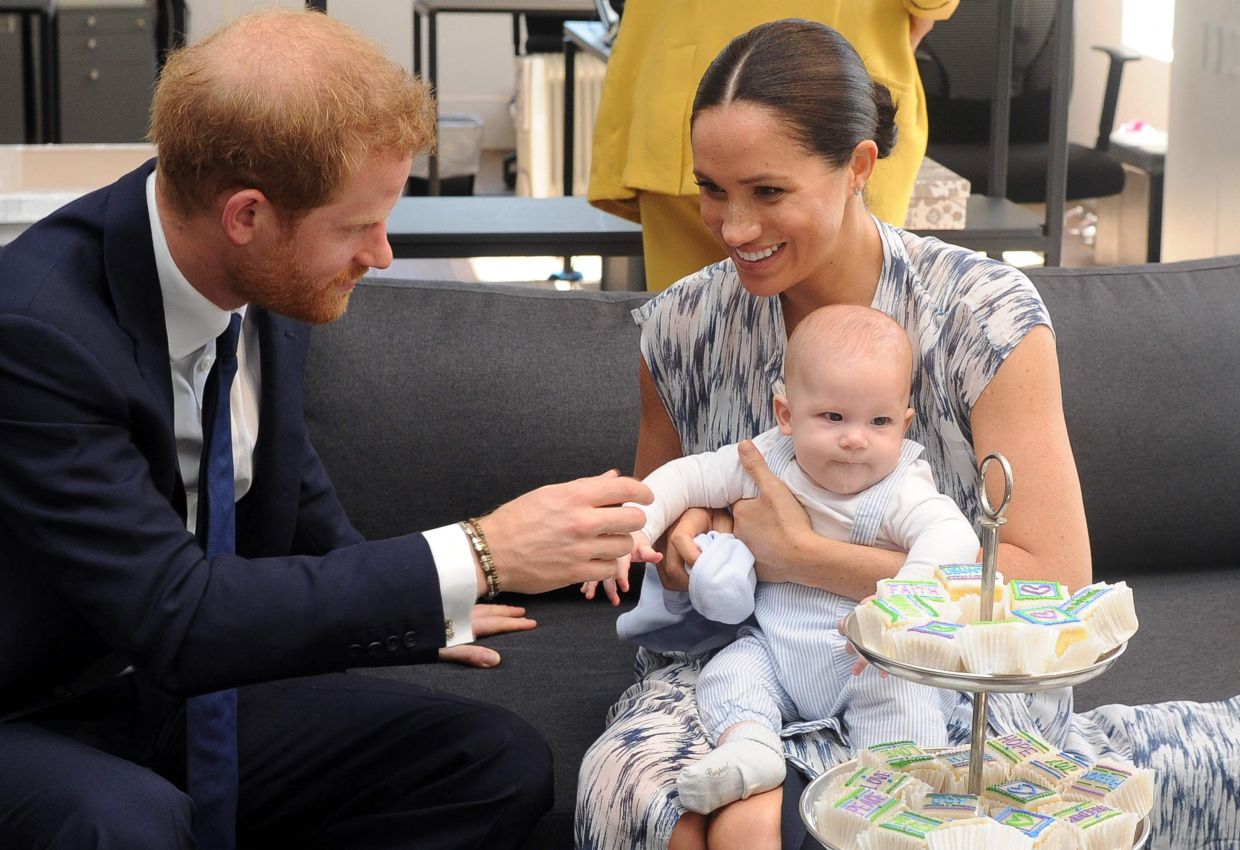
King Charles III brought together his estranged son Prince Harry and family members for the first time in several years on Friday, meeting at Highgrove House, a country estate situated west of London. The gathering represented a significant moment in the ongoing efforts to bridge a substantial divide that has fractured the royal household since Prince Harry and his wife Meghan Markle departed from active royal duties and established themselves in the United States roughly six years ago. The meeting included Prince Archie, aged seven, and Princess Lilibet, aged five, who encountered their grandfather the king and Queen Camilla in what Buckingham Palace described as a private event.
The Duke of Sussex had journeyed to Britain on July 6 to participate in various charitable engagements, though much of the attention surrounding his visit centred on whether a family reconciliation might occur. Media outlets across the country speculated extensively about whether Meghan would join him and, even more intriguingly, whether they would bring their children to enable them to develop a relationship with their grandfather. The logistics of orchestrating such a meeting proved complex, given that the royal calendar operates on schedules plotted years in advance and the practical constraints of the children's California-based schooling calendar.
The window of opportunity for any meeting remained narrow, creating pressure that manifested in awkward exchanges between Prince Harry and palace officials during the week preceding the visit. Buckingham Palace initially extended an invitation for Harry to lodge at the official royal residence, only to retract the offer when the prince did not promptly confirm his acceptance. This miscommunication underscored the underlying tensions that continue to characterise interactions between the younger royal and the institution he departed.
Timings proved particularly sensitive given Prince Harry's concurrent legal setbacks. He suffered a final defeat in his protracted battle against British tabloid publishers, with a court dismissing his claims that his privacy had been violated. These legal struggles have represented a persistent source of friction within the royal family, though the prince has consistently expressed his desire to rebuild his relationship with his father, King Charles, who is currently undergoing treatment for an unspecified cancer diagnosis.
Previously, Harry and Charles had managed only a brief encounter over tea during a London visit in September, representing their first face-to-face interaction in considerably more than a year. The prince had specifically sought an opportunity for his children to see their grandfather, with whom they had maintained minimal contact since the Platinum Jubilee celebrations honouring the late Queen Elizabeth II in 2022. At their current ages, Archie and Lilibet are sufficiently mature to retain memories of their grandfather and to appreciate the significance of the occasion, though the royal household elected to classify the event as private with no photographs released to the public.
The fundamental breach in the royal family stems directly from Harry and Meghan's decision to surrender their formal royal status and pursue independent ventures in California, prioritising personal autonomy over institutional obligations. The relationship deteriorated markedly following the publication of Harry's memoir, which presented unflattering portrayals of various family members and raised serious allegations regarding the monarchy's problematic relationship with tabloid journalism. Particularly controversial were his assertions that senior royals had engaged in strategic leaks to favourable media outlets to control their own public narratives, with Camilla emerging as a particular target of criticism for allegedly channelling confidential conversations to journalists as she rebuilt her reputation.
For Malaysian and broader Southeast Asian audiences, the unfolding Windsor family drama offers instructive parallels regarding dynastic tensions and the modernisation pressures facing traditional institutions. Like monarchies across the region, the British Crown faces contemporary challenges when younger generations prioritise personal independence and transparency over institutional hierarchy. The palace's initial offer and subsequent withdrawal of accommodation demonstrates how rigid institutional protocols can exacerbate family relationships, a tension increasingly common in societies where individual aspirations collide with inherited roles and expectations.
Harry has articulated his willingness to move beyond ongoing conflict, telling the BBC that continued fighting serves no constructive purpose. He has emphasised his awareness of his father's mortality and declining health, suggesting that the imperative to reconcile has become more pressing. This statement reflects a fundamental shift in Harry's public positioning, moving away from confrontation toward resolution, though substantial obstacles remain regarding trust and the fundamental disagreements about press relationships and royal life that triggered the family's rupture.
The Friday meeting at Highgrove represents a tentative first step toward mending relationships that have been extensively fractured by competing narratives, legal battles, and accusations aired in both royal circles and the public domain. Whether this encounter can catalyse meaningful healing remains uncertain, given the depth of the underlying grievances and the institutional resistance to the informal communication styles that Harry and Meghan have come to favour. The inclusion of the children suggests that both parties recognise the importance of intergenerational connections, yet one private meeting cannot quickly dissolve years of accumulated tension and mutual recrimination.
For the monarchy, maintaining family cohesion while accommodating an increasingly autonomous younger generation represents a contemporary challenge without easy resolution. The palace's management of Harry's visit—with its initial miscommunications and subsequent course corrections—indicates ongoing difficulty in navigating the protocol-bound world of formal royal life with the messier realities of modern family dynamics. King Charles's willingness to host this meeting, despite his health challenges and the potential for further public criticism, suggests his personal investment in reconciliation and his recognition that family relationships ultimately supersede institutional considerations.

