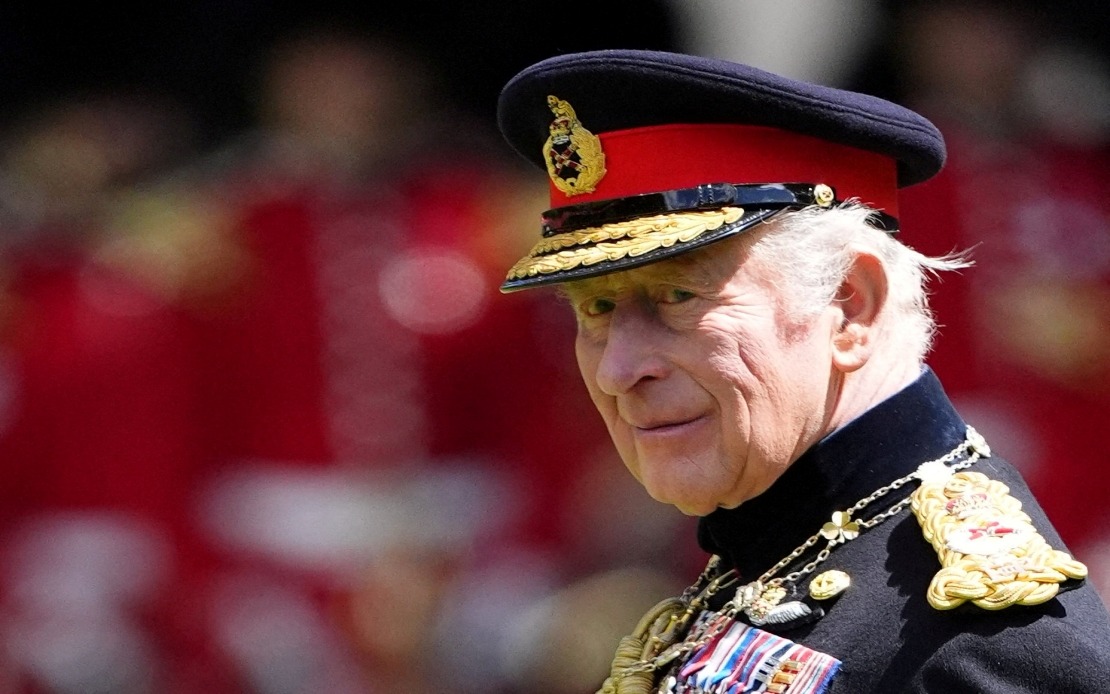
King Charles III has made history by becoming the first reigning British sovereign to publicly disclose his personal tax payment, marking a significant shift in royal financial transparency. Buckingham Palace announced on Thursday that the monarch paid £12.9 million—equivalent to approximately US$17 million—in personal taxes during the 2024-2025 tax year. This unprecedented move represents a deliberate step towards greater accountability in how the monarchy manages and reports its finances to the public and Parliament.
The disclosure comes as part of a broader Royal Household initiative to enhance transparency in royal finances. Alongside the tax payment figure, the palace released a new comprehensive document outlining the various sources of royal income and expenditure. This multi-pronged approach signals that the monarchy recognizes the contemporary expectation for institutional transparency, even among long-established institutions that have historically operated with considerable discretion regarding financial matters.
Historically, British monarchs have enjoyed exemptions from income tax, capital gains tax, and inheritance tax as a matter of law. However, King Charles III chose voluntarily to pay income tax and capital gains tax under arrangements that were first introduced during the reign of Queen Elizabeth II in the 1990s. This voluntary compliance, rather than legal requirement, underscores how modern royals have embraced the principle that they should contribute to the public exchequer like other citizens, strengthening the institution's relationship with taxpayers.
The figures released reveal a consistent pattern of substantial tax contributions since King Charles acceded to the throne in September 2022. In the preceding tax year of 2023-2024, he paid £11.7 million in personal taxes. Combined with the current disclosure, his total tax payments since becoming king have now exceeded £30 million. These sums represent a meaningful commitment to public finances during a period when the royal institution faces ongoing scrutiny regarding its cost to taxpayers and its continued relevance in modern Britain.
The king's personal income derives from several distinct sources, most notably his privately owned estates at Balmoral in Scotland and Sandringham in Norfolk, England. These historic properties generate revenue through agricultural operations, forestry, and tourism-related activities. Additionally, his personal investment portfolio contributes to his annual income. Importantly, the income generated from these private sources funds his personal expenses and does not draw upon the public purse, creating a clear separation between the monarchy's public role and its private financial interests.
It is worth noting that King Charles III began disclosing tax payment information when he held the title of Prince of Wales, establishing a precedent for financial openness before ascending to the throne. However, the publication of such figures as a reigning monarch represents uncharted territory in British royal history. This continuity in his personal commitment to transparency, maintained even after his elevation to sovereign status, suggests a deliberate philosophical approach to institutional governance rather than merely a tactical public relations gesture.
James Chalmers, the keeper of the Privy Purse—a traditional title referring to the official responsible for managing the monarch's personal finances—provided context for these disclosures. He explained that while royal finances may appear complex on the surface, the underlying system operates according to clear legal principles that have evolved over time. According to Chalmers, this framework is specifically designed to ensure that the monarch can execute duties with both independence and accountability, while also serving the long-term interests of the nation.
For Malaysian and Southeast Asian observers, this development offers insights into how constitutional monarchies in the Commonwealth adapt to contemporary demands for institutional transparency. Many Commonwealth nations, including Malaysia, maintain their own royal institutions, and the British monarchy's approach to financial disclosure may influence expectations regarding transparency in other realms. The principle that even institutions with historical tax exemptions can voluntarily embrace greater fiscal accountability demonstrates how tradition and modernity can coexist within constitutional frameworks.
The timing of this disclosure is significant, coming during a period when public institutions across democratic societies face heightened scrutiny regarding how they deploy public resources and manage conflicts of interest. By proactively publishing detailed financial information, King Charles III's household appears to be anticipating criticism and positioning the monarchy as an institution willing to meet or exceed contemporary standards of transparency. This approach could serve as a model for other privileged institutions seeking to rebuild or maintain public trust during an era of increased institutional skepticism.
Moreover, the disclosure reflects broader conversations about the monarchy's evolution in the 21st century. As hereditary institutions face questions about their contemporary legitimacy, demonstrating financial responsibility and public accountability becomes increasingly important. The willingness to publish tax figures, despite having no legal obligation to do so, suggests that the monarchy understands that voluntary compliance with transparency norms may ultimately prove more valuable to its long-term institutional health than maintaining historical privileges that increasingly appear indefensible to modern publics.
The impact of this precedent extends beyond mere symbolism. Future monarchs will likely feel pressure to maintain or expand these transparency measures, potentially creating an expectation that financial disclosures become routine royal practice. This gradual institutionalization of transparency could establish new standards for how the monarchy operates, making financial secrecy around the institution increasingly difficult to sustain. For observers interested in how traditional institutions adapt to modern democratic expectations, the British monarchy's trajectory offers a case study in institutional evolution under public pressure.

