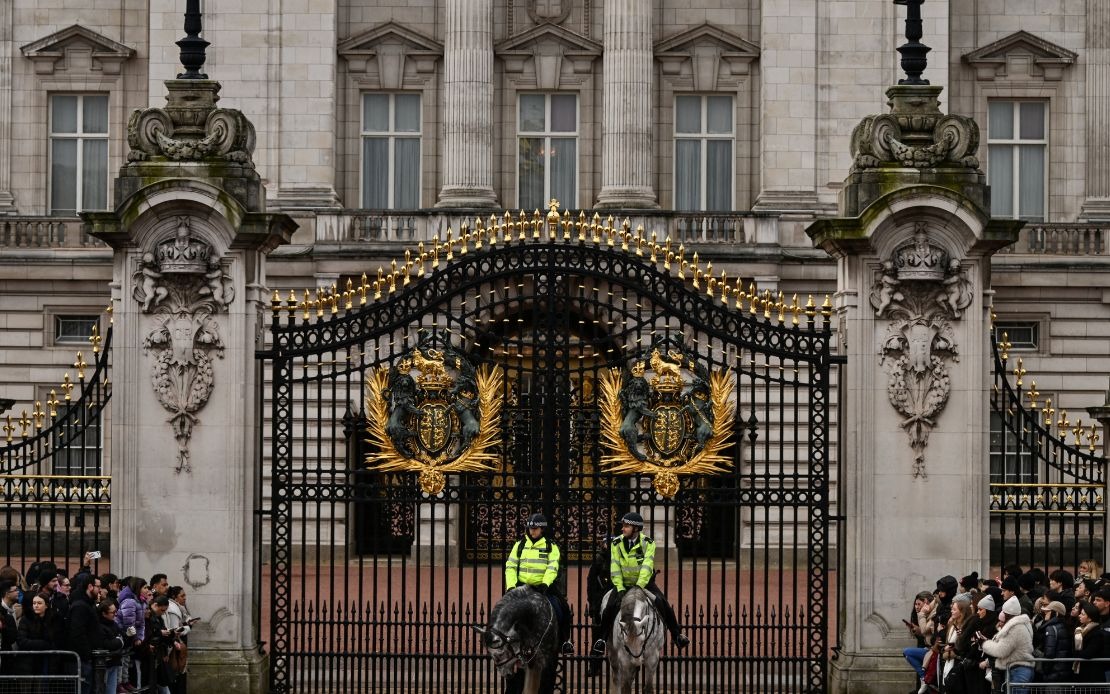
King Charles III and Queen Camilla have committed to preserving Buckingham Palace's role as the ceremonial and administrative heart of the British monarchy following the completion of a transformative decade-long restoration project. The Royal Household disclosed on Thursday that whilst the palace will not function as the royal couple's private residence, it will remain the centrepiece for state ceremonies, official receptions, and public engagement with the Crown. This strategic decision reflects a modern approach to royal operations whilst honouring the palace's historical significance as Britain's most iconic seat of monarchical power.
The Buckingham Palace Reservicing Programme, now entering its final stretch at the nine-year mark of its ten-year timeline, represents one of the most substantial preservation efforts undertaken on the 775-room neoclassical structure. The refurbishment project addresses decades of accumulated wear on the palace's infrastructure, mechanical systems, and structural elements to ensure its viability for future generations. Palace officials have framed the project as essential maintenance that will simultaneously modernise facilities whilst respecting the building's architectural heritage and ceremonial grandeur.
The decision to maintain Buckingham Palace as a working ceremonial venue rather than a residential palace aligns with evolving practices across European monarchies, where efficiency and public access increasingly shape how royal estates function. By designating it as the principal workplace of the Royal Household and official event venue, the monarchy can concentrate resources on maintaining its administrative operations and diplomatic functions. This arrangement contrasts with earlier eras when reigning monarchs routinely maintained multiple grand residences, reflecting contemporary expectations of institutional efficiency and responsible resource management.
Public access and heritage preservation form integral components of the post-refurbishment vision. Palace officials anticipate that the completed modernisation will create enhanced opportunities for members of the public to experience this significant national landmark. The palace's designation as both a working royal venue and heritage asset presents opportunities for extended opening seasons and expanded visitor programmes that balance ceremonial functions with public engagement. For Malaysian readers familiar with heritage site management challenges, such dual-use models offer instructive examples of preserving historical monuments whilst maintaining their operational relevance.
The scale of royal ceremonial activity underscores the palace's indispensable role in contemporary monarchy. During the 2025-2026 financial year, the Royal Household hosted 827 events across royal palaces, attracting nearly 97,000 guests. Buckingham Palace accounts for a substantial proportion of these functions, hosting state banquets, diplomatic receptions, and ceremonial occasions that project British soft power internationally. These gatherings represent crucial platforms for diplomatic engagement and cultural exchange, making the palace's functionality vital to Britain's standing in global affairs.
The financial commitments underpinning the palace's preservation reflect broader public investment in monarchy and heritage. The Sovereign Grant, public funding allocated to support the monarch's official duties and maintain occupied royal residences, increased to £132.1 million for 2025-2026. Of this substantial allocation, £67.5 million was specifically directed towards preserving and protecting occupied royal palaces, demonstrating the Crown's prioritisation of structural integrity and heritage conservation. These figures contextualise Buckingham Palace within a comprehensive estate management framework that extends across multiple residences requiring ongoing maintenance and modernisation.
The refurbishment project carries implications extending beyond mere building restoration. Investment in palace infrastructure modernisation enables the integration of contemporary environmental systems, accessibility features, and security technologies whilst preserving historical interiors. Such upgrades typically include improved heating and cooling systems, updated electrical infrastructure, enhanced fire safety measures, and accessibility improvements—modifications that are invisible to public view yet essential for contemporary operational standards. The project demonstrates how heritage conservation can incorporate modern functionality without compromising aesthetic or historical integrity.
For Southeast Asian observers, the British approach to royal estate management offers comparative lessons. Malaysia's own palace heritage sites, including Istana Negara and various state palaces, similarly navigate preservation challenges whilst maintaining governmental and ceremonial functions. The Buckingham Palace model illustrates how transparent public communication about refurbishment projects, combined with strategic decisions about building utilisation, can sustain public support for heritage investment. The explicit statement that the palace will remain a "national heritage asset" reflects understanding that public institutions require active justification of resource allocation.
The royal couple's personal residential arrangements, whilst not centred on Buckingham Palace, remain undisclosed in operational detail. Historical precedent suggests that reigning monarchs typically maintain private residences elsewhere, with Sandringham House in Norfolk and Balmoral Castle in Scotland serving as traditional retreat venues for the royal family. By publicly clarifying that Buckingham Palace functions as ceremonial headquarters rather than private home, the Royal Household addresses potential public concerns about resource allocation and ensures clarity regarding the palace's contemporary purpose within the monarchy's operational framework.
Looking forward, the completion of the Buckingham Palace Reservicing Programme will mark a significant milestone in British heritage conservation. The refurbished palace will enter what officials anticipate as an extended period of reliable operation, supported by modern infrastructure and improved accessibility. This substantial public investment demonstrates continuing commitment to maintaining the institutions and physical spaces that embody national identity. For visitors from across the Commonwealth and beyond, including Malaysian tourists and dignitaries, the completed palace will present a modernised yet historically authentic experience of British royal heritage.

