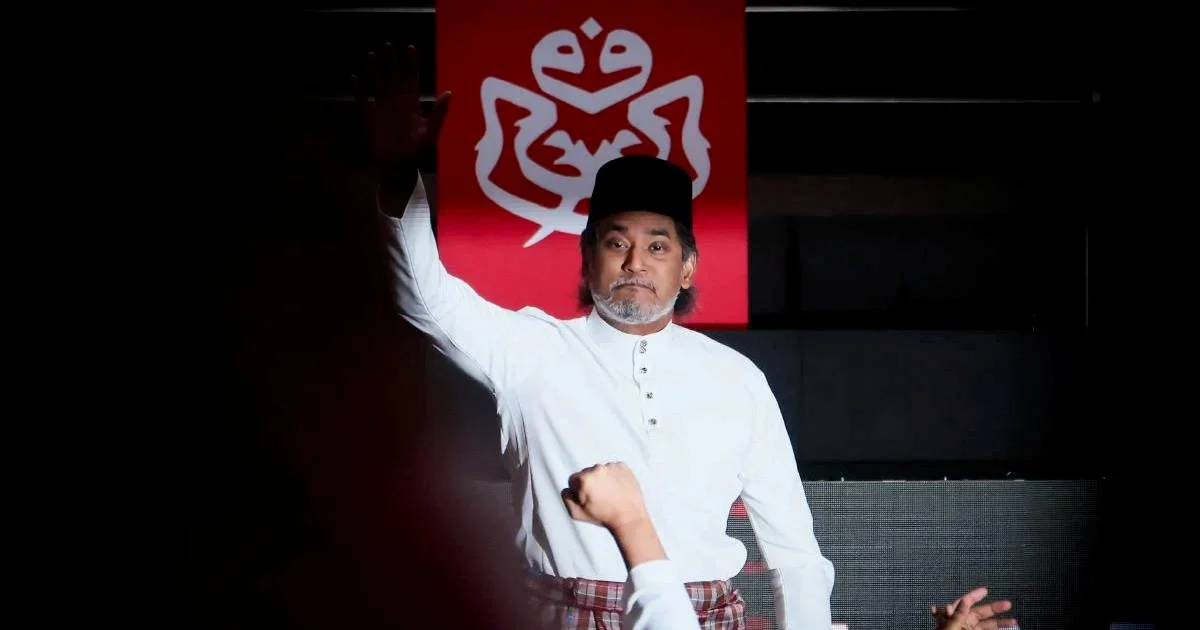
Khairy Jamaluddin, the former Member of Parliament for Rembau, has elected to place the question of his potential candidacy in the upcoming Negri Sembilan state election entirely in the hands of Umno's senior hierarchy. The move reflects a deliberate stepping back from personal political ambitions in favour of party direction, with the state polls set for August 1.
The decision by the veteran politician marks a notable shift in approach, particularly given his previous parliamentary tenure and the prominence he has maintained within Umno circles. Rather than making a unilateral announcement about his intentions, Khairy has signalled willingness to accept whatever determination the party leadership arrives at regarding his participation in the contest. This deference to collective party decision-making underscores the internal dynamics currently at play within Malaysia's dominant political establishment.
Negri Sembilan is poised for a significant electoral moment with the state polls now formally scheduled. The timing of Khairy's statement comes as Umno strategists are finalising their candidate nominations and electoral calculations across multiple constituencies. His reticence to commit independently suggests either reluctance to overextend politically or a pragmatic acknowledgement of the party machinery's control over candidate selection processes.
For Malaysian political observers, such moves by senior party figures often carry implications beyond mere personal career decisions. Khairy's willingness to defer reflects the hierarchical nature of decision-making within Umno, where senior leaders exercise considerable influence over candidacy determinations. The approach stands in contrast to politicians who aggressively campaign for seat allocations or publicly declare their intentions without waiting for formal party sanction.
Rembau itself carries historical significance in Malaysian politics as Khairy's former parliamentary constituency, and his departure from that seat remains a notable development in the political landscape. The constituency has represented a traditional Umno stronghold, and any decisions regarding his future electoral involvement carry implications for broader party calculations in the region.
The August 1 election date provides the necessary framework for all parties to prepare their candidate lists and campaign strategies. Umno, as the dominant component of the ruling Barisan Nasional coalition, maintains significant influence over electoral outcomes in Negri Sembilan, though the competitive environment in contemporary Malaysian politics means no seat can be taken for granted. State elections in Umno heartlands like Negri Sembilan serve as important barometers of party health and public sentiment toward the national government.
Khairy's background as a former prime minister's aide and his role in subsequent Umno administrations have positioned him as a figure of considerable influence within party structures. His decision to defer to leadership on this matter may reflect broader political calculations, including the need to maintain unity within a party that has weathered significant internal tensions in recent years. The Umno leadership currently managing these decisions must balance multiple factional interests and geographic considerations.
The deference also suggests an understanding that candidacy decisions involve complex negotiations regarding seat allocations, demographic considerations, and party strategy. Negri Sembilan comprises multiple constituencies where various party interests and community expectations intersect. Umno's decision-making process must account for these multiple variables, making it unreasonable for individual politicians to expect automatic endorsement regardless of broader party needs.
For Southeast Asian political analysts monitoring Malaysian developments, this incident illustrates how dominant parties in the region manage internal democratic processes while maintaining organisational cohesion. The way Umno handles candidacy decisions sets precedents for how the party functions and how its members navigate their relationship with central authority. Transparent adherence to party processes, even when personally inconvenient, strengthens institutional credibility.
The path forward hinges on Umno's formal decision-making mechanisms and the timelines established for announcing candidates. Khairy's willingness to accept the party's determination provides flexibility for leadership to assign him wherever strategic value might be maximised, whether in Negri Sembilan or elsewhere. This approach also prevents public fractures that could damage party unity heading into the state election.
Regional observers will note that Malaysian state elections continue to serve as important indicators of how the broader political system functions. The Negri Sembilan contest on August 1 will reveal not only electoral preferences but also how the Barisan Nasional apparatus and Umno specifically manage the mechanics of contemporary competitive politics. Khairy's measured approach exemplifies one dimension of that process.