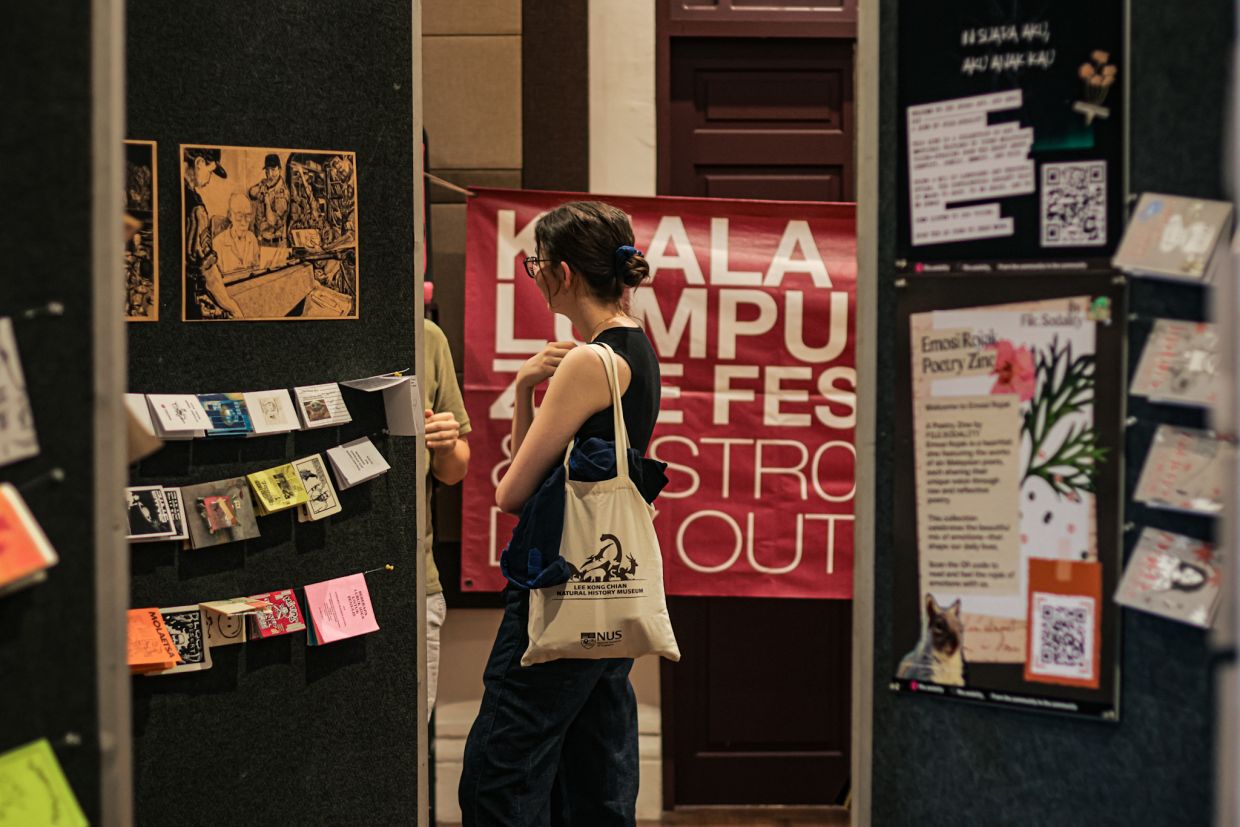
The KL Zine Etc festival is establishing itself as an essential calendar fixture for Kuala Lumpur's independent arts scene, returning this year with an expanded roster and a thematic commitment to peace and reconciliation. Occupying the heritage trade hall's first floor, the second edition of KLZE showcases a thriving ecosystem of zine culture, indie print, self-published works and DIY makers that have carved out significant cultural space outside the mainstream publishing industry.
Growing substantially from its inaugural success, the festival has doubled its exhibitor presence, now hosting more than 50 vendors compared to the initial 30-vendor lineup from last year. This expansion reflects both the resilience of the independent publishing community and rising interest in alternative forms of creative expression. The expanded footprint brings together zinesters, visual artists, writers, independent publishers and printmakers exhibiting an eclectic range of handmade zines, artist books, experimental publications and limited-edition works that collectively represent Malaysia's diverse creative voices.
At the heart of this year's programming lies an anti-war-themed exhibition that serves as the festival's conceptual anchor. Rather than addressing external conflicts in isolation, KLZE's organisers have deliberately broadened the thematic scope to encompass internal struggles shaped by mental health, personal identity and ideological difference. This multilayered approach suggests a matured understanding of what "conflict" means in contemporary life, acknowledging that peace-building operates at psychological and social registers beyond geopolitical boundaries. The festival explicitly frames itself as creating "ceasefire zones"—dedicated spaces where participants can pause, reflect, read, discuss and share without the pressures of external contestation.
The three-day programme balances this philosophical orientation with practical engagement, offering zine-focused discussions, hands-on creative workshops, film screenings and live music sessions. The curatorial balance between thematic programming and informal creative gathering positions KLZE as something more than a market; it functions as a temporary community where alternative narratives gain visibility and legitimacy. Both returning exhibitors and newcomers contribute to the festival's evolving identity, ensuring fresh perspectives while maintaining continuity with its founding principles rooted in the merdeka—or independent—spirit that has long animated zine culture globally and locally.
The geographical reach of participating vendors underscores the festival's emergence as a genuinely national platform for independent publishing. While Kuala Lumpur hosts the event, exhibitors extending from Kelantan's Kedai Hitam Putih to Sabah's Borneo Komrad ensure representation across Malaysia's diverse regions. This geographic inclusivity matters significantly for a publishing landscape where independent creators outside major urban centres often struggle for visibility and distribution networks. Platforms like KLZE provide crucial infrastructure for these dispersed communities to connect with audiences and fellow creators, strengthening the broader ecosystem of alternative publishing beyond peninsular gatekeepers.
Equally significant is KLZE's regional dimension, which has expanded to welcome independent publishers and creators from Singapore, Indonesia, the Philippines, Hong Kong, China, Myanmar and Taiwan. This Southeast Asian presence transforms the festival from a primarily domestic event into a meaningful regional meeting point for alternative publishing cultures. The multilingual nature of displayed works—featuring publications in Bahasa Malaysia, English, Mandarin and other languages—mirrors this regional diversity and facilitates cross-cultural dialogue within the independent creative community. For Malaysian readers and creators, this regional positioning offers windows into neighbouring creative ecosystems while positioning local work within a broader context of Asian alternative publishing.
The thematic and formal diversity of works on display reflects the breadth of concerns animating contemporary independent publishing. Programming ranges across contemporary zines and punk culture through folk narratives and indigenous activism, with additional focus on comics, environmental issues, feminist discourse and role-playing games. This eclecticism reveals independent publishing's function as a vehicle for marginalised voices, niche communities and experimental approaches to storytelling that commercial publishing either ignores or actively suppresses. For Malaysian audiences, access to such diverse perspectives through a single festival creates unusual intellectual and creative stimulation.
Logistical accessibility has been prioritised, with entry set at RM10 including a RM5 voucher toward zine purchases, making participation financially feasible for student and casual audiences. This pricing strategy acknowledges that zine culture thrives on accessibility and community participation rather than exclusive consumption, a philosophy embedded in the festival's foundational DNA. The affordability of entry combined with the embedded shopping voucher encourages actual engagement with displayed works rather than passive browsing.
The organising committee's stated vision extends beyond the festival itself, emphasising KLZE's role in facilitating meaningful friendships and creative exchanges that might generate future collaborations. This forward-looking approach recognises that the festival's true value lies not merely in the three-day event but in the networks, relationships and possibilities it catalyses. For the independent publishing community across Malaysia and Southeast Asia, KLZE represents institutional infrastructure supporting creative autonomy, cultural diversity and the belief that alternative voices deserve platforms and audiences. As the festival expands, it demonstrates that DIY aesthetics and community-driven culture remain vibrant forces within Malaysia's increasingly stratified creative economy.

