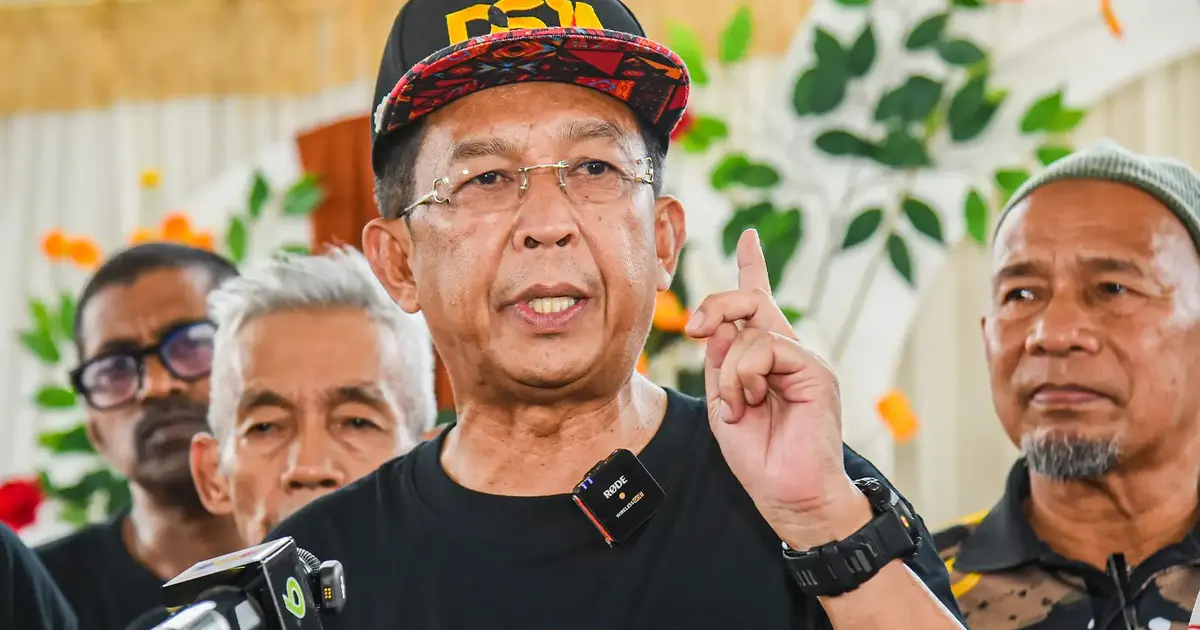
A polling centre operated by Barisan Nasional in Klawang, Selangor has ceased functioning as a sign of discontent following the decision to concede the parliamentary constituency to Perikatan Nasional under the existing coalition framework. The development underscores underlying tensions within the broader alliance, even as leadership maintains the arrangement remains intact and functional across most areas.
Jalaluddin, the Selangor Umno state chief, confirmed the temporary closure while characterising it as a manifestation of frustration from certain party quarters dissatisfied with the seat allocation formula agreed between BN and PN. He acknowledged that such grievances were inevitable given the complexity of negotiating electoral boundaries and constituency divisions among multiple coalition partners with competing interests and regional strongholds.
The Klawang case reflects a recurring challenge in Malaysian coalition politics: managing expectations when parties must sacrifice winnable seats for the greater strategic objective of maintaining unity against opposition forces. Umno, historically dominant in Selangor's political landscape, has had to adjust its footprint in several constituencies under the current arrangement, a reality that rankles grassroots members and lower-level organisers who view such compromises as diminishing their party's reach.
However, Jalaluddin indicated confidence that the disruption would be resolved within a reasonable timeframe, suggesting senior leaders from both BN and PN would intervene to restore normal operations and reinforce commitment to the alliance framework. Such interventions are customary when local discontent threatens to undermine the facade of coalition unity, particularly ahead of election cycles when public displays of tension could be exploited by opposition parties.
The Klawang situation carries broader implications for BN-PN cooperation in Selangor, Malaysia's most economically developed state and a crucial battleground in national electoral arithmetic. Selangor's thirteen parliamentary seats are distributed among multiple parties and coalitions, making the state a microcosm of Malaysian coalition complexity. Any sustained friction in managing seat allocations could complicate future electoral planning and weaken the coalition's competitive position against DAP and PKR, which maintain significant influence in the state.
From a regional perspective, the Klawang incident demonstrates how electoral alliances in Malaysia operate under constant strain, held together primarily by shared interest in defeating common opponents rather than ideological alignment. This transactional nature means grievances accumulate at grassroots level even when elite-level agreements remain formally respected. Umno members in constituencies ceded to PN must reconcile themselves to supporting rival candidates, a psychological adjustment that doesn't come naturally in competitive party politics.
The polling centre's closure, while localised, signals that BN's integration of PN partners has not eliminated internal competition and territorial jealousy. Selangor Umno cadres view certain seats as historically theirs, and surrendering them—even temporarily under coalition arrangements—generates resentment that periodically boils over into symbolic actions like the Klawang shutdown. These displays rarely derail formal arrangements but do create management headaches for senior leadership.
Jalaluddin's measured response, acknowledging grievances while expressing confidence in resolution, reflects the delicate balancing act required of coalition leaders. Too much firmness risks appearing to dismiss party members' concerns; too much indulgence risks emboldening further dissent. His statement essentially signals that the temporary closure is acceptable as a pressure valve, provided it doesn't metastasise into broader insubordination or public conflict that damages coalition credibility.
The incident also underscores how electoral pacts in Malaysia often fail to address underlying party dynamics adequately. While national leadership negotiates seat allocations based on strategic considerations and bargaining power, they frequently underestimate the emotional investment lower-level members have in specific constituencies. Klawang's polling centre workers and operators have direct stakes in the local political outcome, making them sensitive to arrangements perceived as disadvantageous to their party.
Looking forward, the Klawang episode will likely be documented by both BN and PN as evidence requiring refinement in how coalition mechanics are communicated and accepted at grassroots level. Future electoral arrangements might benefit from more transparent justification of seat decisions and compensation mechanisms that acknowledge sacrifice by parties required to stand down in competitive constituencies. Without such measures, similar closures and protests can be anticipated in other constituencies where local leaders feel shortchanged by coalition arithmetic.
For Malaysian voters and regional observers, the Klawang incident provides insight into how coalition governance actually functions beyond public announcements and ceremonial unity events. It reveals the constant negotiation required to maintain political alliances, the resentments that accumulate despite agreements, and the techniques deployed to manage dissent without allowing it to become public scandal. The incident, though apparently minor, encapsulates enduring structural challenges in managing multi-party coalitions in competitive electoral environments.

