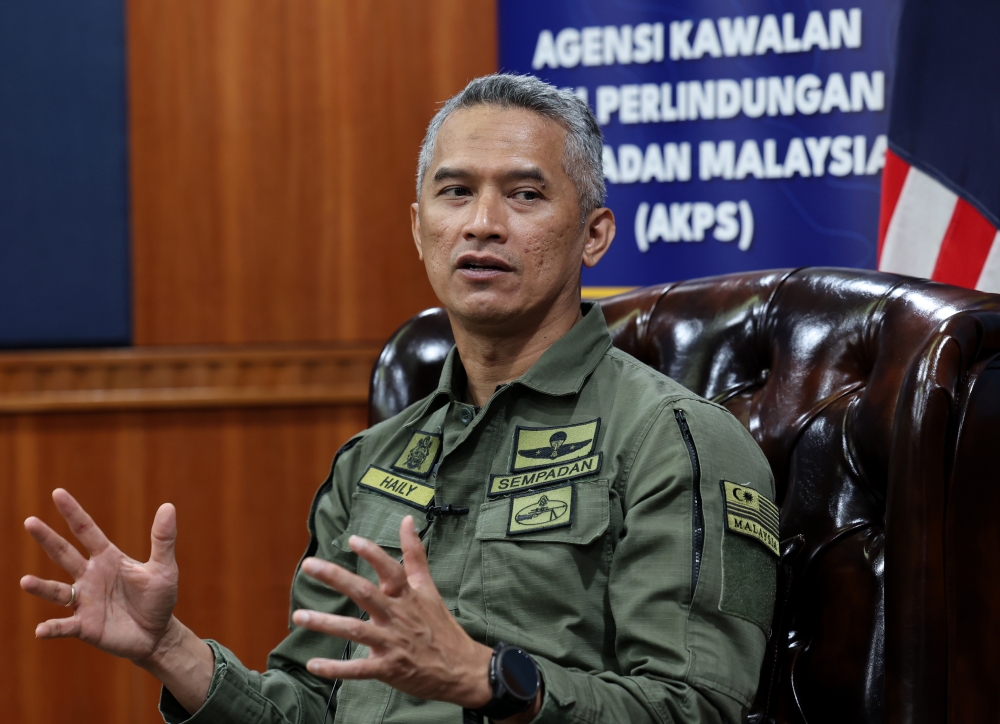
Malaysian border control officials have initiated a comprehensive review of their screening protocols following the detention of a Malaysia Airlines pilot carrying drugs through Kuala Lumpur International Airport. The chief of Malaysia's border security agency disclosed this week that no red flags emerged during the pilot's passage through KLIA's inspection systems before his subsequent arrest at an Indonesian airport, raising serious questions about the effectiveness of current vetting procedures at the country's primary aviation hub.
The incident has triggered official scrutiny into how such a breach could occur at one of Southeast Asia's busiest international terminals. The border agency leadership indicated that preliminary investigations are focused on identifying whether existing detection mechanisms at KLIA functioned as intended or whether procedural gaps allowed the pilot to transit without arousing suspicion. This examination comes at a time when Malaysia is working to strengthen its reputation as a secure travel destination and reinforce confidence in its airport operations.
The pilot's arrest in Jakarta represents a significant embarrassment for Malaysia's aviation security framework. The detention occurred after the individual had already departed Malaysia through standard border procedures, suggesting that whatever screening methods were in place at KLIA did not successfully identify the contraband or raise concerns about the traveller. This sequence of events points to potential vulnerabilities in either the physical inspection technologies, the intelligence-gathering systems, or the protocols governing how information flows between different screening stations.
Malaysia's border management has come under international scrutiny in previous years following various security incidents at KLIA and other entry points. The country has invested substantially in modernising its airport infrastructure and security systems to align with international standards. However, this case demonstrates that technological upgrades alone may be insufficient without complementary improvements to procedural consistency, training standards, and inter-agency coordination.
The involvement of a Malaysia Airlines employee adds another dimension to the investigation. Airline staff, particularly pilots and cabin crew, often receive expedited processing at border checkpoints due to their frequent travel and security clearances. This privileged treatment, while operationally necessary, can create blind spots in screening if staff movements are not subject to the same rigorous oversight as general passengers. Authorities are now examining whether existing protocols for aviation personnel adequately balance convenience with security imperatives.
From a regional perspective, this incident has implications beyond Malaysia's borders. Southeast Asian airports increasingly coordinate security practices and share intelligence through multilateral arrangements. The discovery that a contraband carrier successfully transited KLIA may prompt neighbouring countries to review their own assessment of Malaysian airport security protocols. This could potentially affect the flow of aviation personnel across the region and influence bilateral security agreements.
The Jakarta arrest itself raises questions about how Indonesian authorities detected what Malaysian screening systems had apparently missed. Whether Indonesian officials conducted more thorough inspections, received advance intelligence, or simply benefited from heightened scrutiny at Soekarno-Hatta International Airport remains unclear. The circumstances surrounding the discovery could provide valuable lessons for Malaysian border agencies about enhancing detection capabilities and improving information-sharing with international counterparts.
Drug trafficking remains a persistent challenge across Southeast Asia, with aviation frequently serving as a smuggling route. Pilots and other aviation professionals sometimes become targets for traffickers due to their international mobility and access to less-scrutinised transit corridors. The case underscores the ongoing tension between facilitating legitimate air travel and preventing criminal activity. Airlines, airports, and border agencies must continuously adapt their approaches to counter increasingly sophisticated smuggling techniques.
The investigation into KLIA's screening procedures will likely examine multiple aspects of the operation. These may include the functionality of baggage scanning equipment, the training and alertness of security personnel, the protocols for conducting secondary searches, and the systems for flagging individuals based on intelligence or behavioural indicators. Any identified deficiencies will need to be addressed through targeted improvements to ensure similar incidents do not recur.
For Malaysia Airlines specifically, this situation presents a reputational challenge that extends beyond the individual pilot's conduct. The airline will likely face heightened scrutiny regarding its own vetting procedures for staff members, particularly those in safety-critical positions such as pilot roles. Airlines typically conduct their own security checks before employing personnel, but this case may prompt reviews of how thoroughly these internal processes function and whether additional safeguards are necessary.
The Malaysian government's response to this incident will be closely monitored both domestically and internationally. Strengthening airport security while maintaining operational efficiency requires careful policy-making and adequate resource allocation. The border agency's commitment to conducting a thorough examination signals recognition of the seriousness of the breach, though the actual implementation of reforms will ultimately determine whether such vulnerabilities can be prevented in the future.
Stakeholders across Malaysia's aviation sector will be watching to see what recommendations emerge from the investigation. Enhanced training programmes, upgraded detection technology, revised procedural standards, and improved coordination mechanisms between different agencies could all feature in the reform agenda. The challenge will be implementing these changes without creating undue disruption to the thousands of international flights and millions of passengers that transit KLIA annually.

