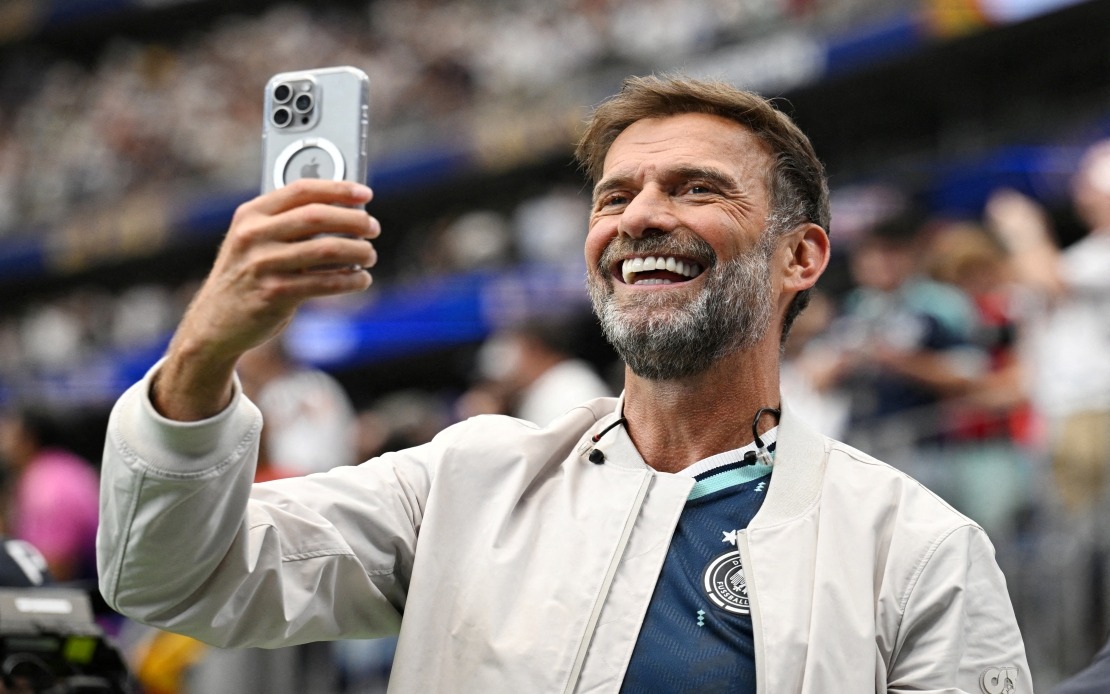
Jürgen Klopp has publicly acknowledged he is engaged in discussions with the German Football Federation regarding the vacant position of national team manager, a role that became available following Julian Nagelsmann's departure. The announcement marks a significant development in German football's search for fresh direction after a disappointing campaign at international level, with the federation reaching out to one of Europe's most accomplished and respected tactical minds.
The vacancy emerged after Nagelsmann stepped down from his position, which he had held for nearly three years. His tenure ended following Germany's elimination from the World Cup at the knockout stage, where the team suffered a penalty shootout loss to Paraguay—a result that accelerated the federation's decision-making process and prompted the search for alternative leadership. Nagelsmann, despite his previous success with other clubs, ultimately could not deliver the trophy success or sustained performance German supporters had anticipated.
Speaking to MagentaTV during an interview, Klopp confirmed the DFB had approached him as part of their deliberations to find a successor. However, he tempered expectations about the timeline, emphasising that the situation demands more than simply appointing a new figurehead. His comments suggest he views the challenge not as a straightforward managerial change but as addressing deeper institutional and structural issues within German football that have accumulated over time.
Klopp's characterisation of the German football problems as systemic rather than personal underscores an important reality: that Nagelsmann's departure, while necessary, does not automatically resolve the underlying challenges facing the national team. The former Borussia Dortmund and Liverpool coach indicated that any agreement will require what he termed "intensive talks," signalling that substantive negotiations lie ahead before any formal appointment could be finalised.
The 57-year-old German strategist is approaching this potential opportunity from a position of renewed energy. Having departed his Liverpool position in summer 2024 after nearly nine years with the English club, Klopp has taken time away from the intensity of daily coaching. He currently holds the position of Head of Global Soccer at Red Bull, a role that has allowed him to recharge while remaining engaged with the sport at a strategic level. When asked about his readiness for the Germany position, Klopp declared himself fully prepared: "I am more than recharged now, so I am ready."
Notably, Klopp offered a respectful assessment of his potential predecessor, describing Nagelsmann as an "extraordinary coach." This characterisation reflects understanding within German football circles that Nagelsmann's exit reflects circumstantial misfortune and systemic challenges rather than fundamental inadequacy. Klopp acknowledged that had Germany prevailed against Paraguay, the entire narrative surrounding the federation's leadership might be dramatically different, highlighting how fine the margins can be in international football's high-stakes environment.
A significant complication in any potential arrangement involves Klopp's existing contractual obligations to Red Bull, a relationship that extends until 2029. Recognising the complexity this presents, Klopp has initiated conversations with Red Bull's Chief Executive Oliver Mintzlaff to explore possible solutions. The manager's commitment to ensuring Red Bull emerges from any departure "with its reputation intact" demonstrates diplomatic awareness regarding how such transitions should be handled—reflecting his broader understanding that football operates within networks of commercial and institutional relationships.
The prospect of Klopp leading Germany carries particular resonance given his proven track record in transforming underperforming programmes. His transformation of Borussia Dortmund from near-bankruptcy to Champions League finalists, combined with his sustained success in revitalising Liverpool's fortunes, demonstrates his capacity to address systemic dysfunction and build winning cultures. For German football, which has struggled since winning the 2014 World Cup, such credentials hold obvious appeal.
For Southeast Asian football observers, Klopp's potential involvement with Germany also offers instructive lessons about how elite programmes address periods of underperformance. Rather than seeking quick fixes through managerial merry-go-rounds, serious football nations conduct substantive evaluations of their structural weaknesses—precisely the approach Klopp is advocating through his emphasis on intensive talks rather than rapid resolution.
The timeline for any formal agreement remains uncertain, but the intensity of current discussions suggests developments may emerge relatively soon. The DFB's willingness to engage with Klopp, despite the complications his Red Bull contract presents, indicates the federation views him as sufficiently valuable to warrant the diplomatic and commercial effort required to secure his appointment. This persistence reflects the magnitude of German football's current predicament and its leadership's determination to secure transformational change rather than settling for continuity.
Ultimately, what emerges from these negotiations will shape not only Germany's immediate football future but also offer a case study in how top football nations navigate institutional crises. Klopp's involvement guarantees serious strategic thinking about fundamental problems rather than superficial responses, regardless of whether these talks ultimately culminate in his appointment as national team coach.

