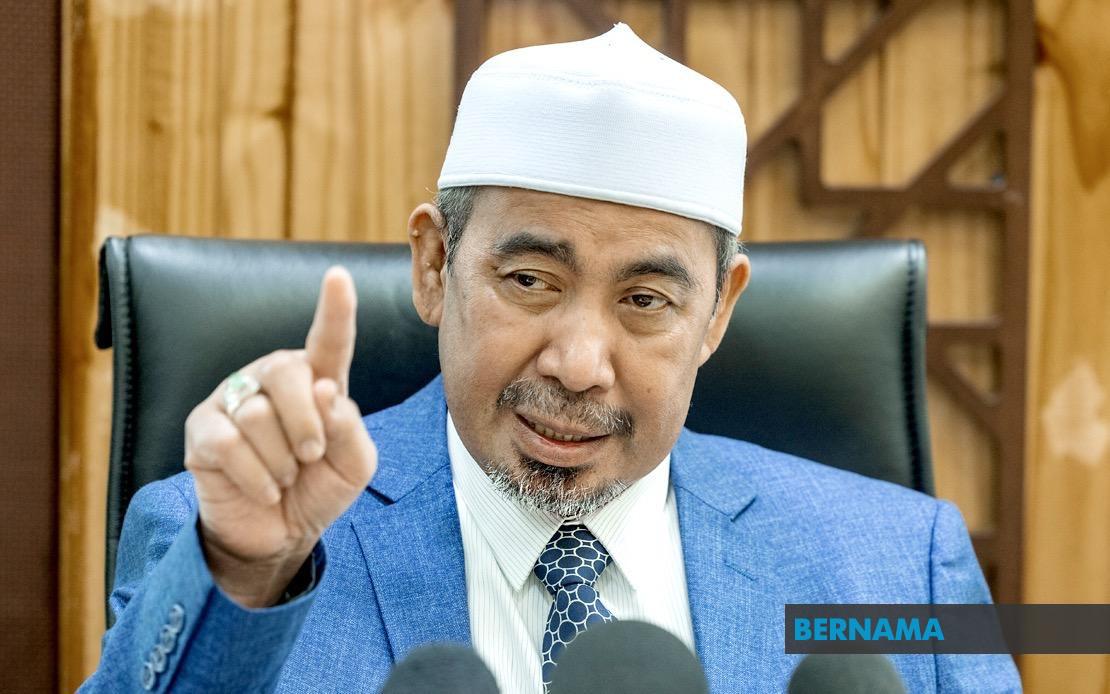
The ambitious KB Sentral integrated bus station project in Kota Bharu has encountered significant delays in its foundational soil treatment phase, falling behind schedule by 21 days as heavy monsoon conditions continue to hamper construction progress in Kelantan. Speaking during the State Legislative Assembly session at Kota Darulnaim Complex, Datuk Dr Izani Husin, chairman of the State Public Works, Infrastructure, Water and Rural Development Committee, disclosed that actual work completion stands at 40.07 per cent against a planned progress target of 47.26 per cent for the current phase. The shortfall underscores the vulnerability of major infrastructure projects to climatic variables in Malaysia's tropical environment, particularly during the monsoon season when rainfall patterns can disrupt carefully choreographed construction schedules.
Prolonged evening and nocturnal downpours have created waterlogging conditions across the construction site, preventing proper soil consolidation and extending the drying period essential before structural work can commence. Such weather-related complications are not uncommon in East Coast development projects, where seasonal rainfall can be substantial and unpredictable. The accumulated moisture at KB Sentral has particularly affected the installation sequence for prefabricated vertical drain systems, a critical technology designed to accelerate soil drying through targeted vertical percolation. Without sufficient soil stabilisation, the subsequent phases of construction—particularly the erection of the terminal building itself—cannot proceed safely, making these foundational delays carry downstream consequences throughout the project timeline.
Dr Izani's statement, delivered in response to a parliamentary question from Datuk Mohd Syahbuddin Hashim from the Galas constituency, indicated that despite the current setback, project managers maintain confidence in meeting the contractual completion deadline for soil treatment work by May 17, 2027. This extended timeline reflects the reality that sophisticated soil engineering, particularly in challenging tropical conditions, cannot be accelerated beyond certain thresholds without compromising structural integrity. The soil consolidation phase represents perhaps the most weather-sensitive component of the entire development, with inadequately treated foundations potentially compromising the terminal's long-term stability and safety performance.
The broader context of KB Sentral's delivery remains marked by significant administrative restructuring. The Kelantan state government assumed direct control of the project following unsuccessful negotiations with Perak Transit, the original concessionaire, highlighting tensions between private sector timelines and public sector expectations. This transition decision, confirmed by Kelantan Deputy Menteri Besar Datuk Dr Mohamed Fadzli Hassan, reflects state government concerns that private operators would not be positioned to deliver the facility within reasonable timeframes, making direct government stewardship appear preferable despite additional fiscal burdens.
Terminal building construction cannot realistically begin until the soil treatment work concludes, pushing the earliest possible start date for superstructure development to June 2027. This sequential dependency means that any further delays in the current phase will inevitably compress schedules for subsequent construction stages, potentially creating bottlenecks in procurement, labour mobilisation, and quality assurance downstream. Project managers will need to adopt increasingly rigorous contingency planning to absorb any additional slippage without jeopardising the final delivery milestone.
The KB Sentral project holds strategic importance for Kelantan's transportation infrastructure ecosystem and regional connectivity. An integrated bus terminal consolidating multiple operator services into a single modern facility represents a significant upgrade from the fragmented terminal arrangements currently operating across Kota Bharu. Enhanced transportation interchange efficiency can facilitate improved regional mobility and support broader economic development initiatives across the East Coast corridor. However, the value of such infrastructure depends critically on timely delivery; extended delays risk obsolescence of design specifications and potential cost escalation that ultimately burden the public purse.
Weather-related construction delays present systemic challenges for Malaysian infrastructure delivery, particularly in regions with pronounced monsoon seasonality. Developers and project authorities increasingly incorporate monsoon impact assessments into feasibility studies, yet field reality often diverges from modelled projections. The KB Sentral experience underscores the importance of realistic scheduling that builds adequate contingency buffers for climatic variables rather than optimistic timelines that prove vulnerable to actual rainfall patterns. Future projects might benefit from enhanced meteorological monitoring and adaptive scheduling protocols that adjust work sequences based on seasonal forecasting.
For Kelantan residents and regional travellers, the extended timeline means existing fragmented terminal arrangements will persist longer than anticipated. Public expectations for modern transportation facilities require careful management when political commitments have been made regarding completion dates. The state government's assumption of direct project control suggests heightened accountability for timeline adherence, with any further delays likely attracting increased political scrutiny. Balancing construction quality, safety standards, and schedule pressures represents a persistent challenge in infrastructure delivery across Southeast Asia.
The financial implications of the delay warrant attention as well. Extended project timelines typically increase overhead costs, personnel expenses, and equipment mobilisation fees. Whether these additional expenses remain absorbed within the existing budget allocation or require supplementary government appropriation remains unclear from current public statements. Transparent communication regarding cost implications would support public understanding of the real expenses associated with infrastructure development in challenging environments. The ultimate sustainability of KB Sentral depends not only on timely physical completion but also on cost-effective delivery that demonstrates prudent fiscal stewardship.

