The Malaysian government is moving to tighten controls over cooking oil subsidies following recommendations from the Public Accounts Committee, with the Domestic Trade and Cost of Living Ministry pledging to review and implement a suite of reforms aimed at reducing leakages and targeting aid more effectively.
Datuk Armizan Mohd Ali, the ministry's chief, told lawmakers on July 18 that KPDN would carefully consider the PAC's findings presented in Report DR. 27 of 2026, which scrutinised the government's handling of the Cooking Oil Stabilisation Scheme. The acknowledgment signals a willingness to adopt parliamentary recommendations that address longstanding concerns about subsidy management in a scheme that touches millions of Malaysian households and businesses across the country.
Central to the ministry's response is the acceleration of the eCOSS, or Cooking Oil Stabilisation Scheme System, a digital platform designed to replace paper-based record-keeping with automated tracking. Armizan explained that development began in 2023 and is now progressing through two distinct phases: the first involves gradually embedding the system throughout the entire supply chain, while the second focuses on expanding citizen access through a mobile application that commenced pilot testing in May 2025. This phased approach reflects an acknowledgment that wholesale overnight change risks disruption, yet the ministry is clearly intent on broadening digital adoption rapidly.
The digital system represents a crucial tool for preventing subsidy misuse, as manual records have historically created vulnerabilities for manipulation and supply diversion. Armizan characterised the full implementation of eCOSS as a cornerstone risk-management strategy, emphasising that it forms part of a broader effort to eliminate opportunities for fraud at multiple points in the supply chain. By automating identity verification and transaction records, the system promises greater transparency for policymakers seeking to understand where subsidised cooking oil actually reaches consumers.
A particularly significant enhancement now underway involves integrating eCOSS with a revised national identity card system being rolled out by the National Registration Department. The new cards will enable QR code scanning for identity verification during purchases, creating a direct digital link between buyers and the subsidy system. This measure is explicitly intended to prevent non-citizens from accessing subsidised cooking oil—a key concern that has consumed significant policy attention in recent years. Armizan framed this as a targeted rather than blanket approach, allowing the government to deliver assistance precisely where intended rather than to ineligible recipients.
Beyond digital infrastructure, the PAC has pressed the ministry to address the structure of Malaysia's cooking oil refining industry, which the committee apparently found concentrated too heavily among foreign-owned operators. KPDN confirmed it is examining the committee's recommendation to redistribute refining quotas toward competitive local companies as a means of reducing market dominance by international firms. However, the ministry revealed that since the original Cooking Oil Stabilisation Scheme was introduced, the government has not formally assigned quotas to refineries. Instead, repackers have independently selected suppliers based on practical considerations such as transport costs, payment terms, and supply reliability, creating a market-driven but potentially fragmented system.
In response, KPDN has launched phased interventions designed to nudge repackers toward sourcing more supply from locally owned refineries. These include quota replacement requirements—essentially requirements that companies source a proportion of their inputs domestically—and business-matching schemes that connect local refiners with repackers seeking supplies. While stopping short of rigid quotas, these measures signal the government's intent to strengthen local industry participation without triggering supply disruptions or sudden price movements that could undermine the scheme's core objective of affordability.
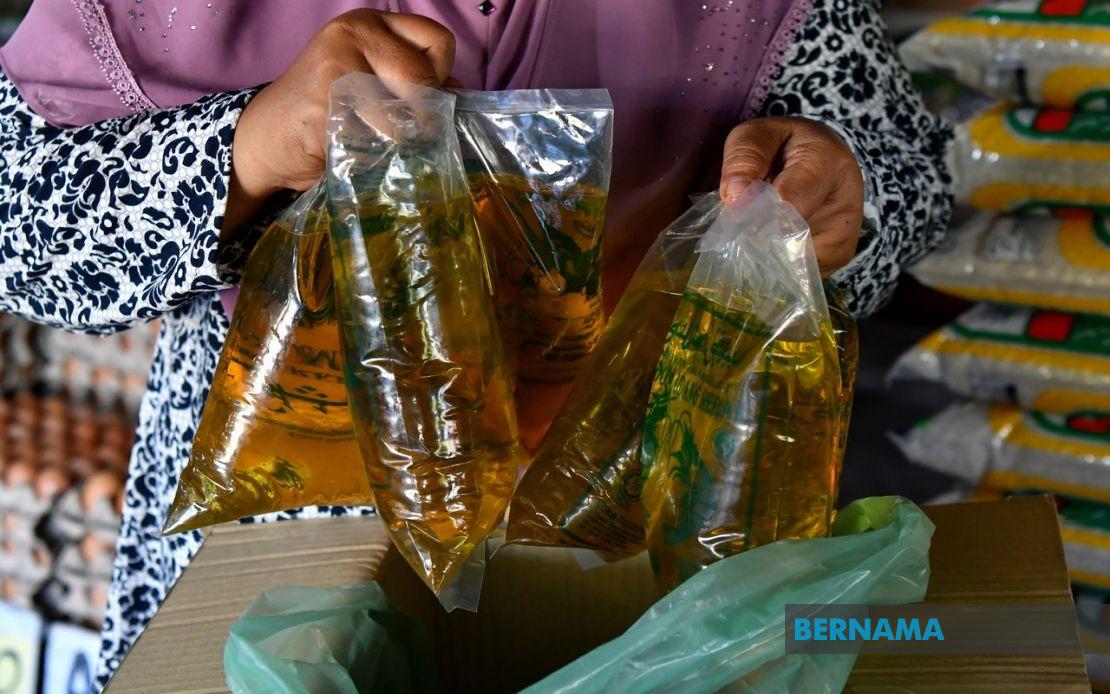
The ministry has simultaneously introduced restrictions on packaging formats to enhance subsidy targeting. Prohibiting the sale of one-kilogramme packets of cooking oil to non-citizens represents a practical effort to prevent bulk purchasing for resale or export, a leakage mechanism that has previously drawn criticism. Armizan also noted that KPDN is integrating eCOSS data with the Sumbangan Asas Rahmah system, which administers broader cost-of-living assistance to eligible households, potentially allowing for better cross-system coordination and verification.
Enforcement priorities have equally featured prominently in the ministry's statement. Armizan committed KPDN to stringent implementation against all parties in the supply chain—from refinery operators through repackers, wholesalers, and retailers—found to violate subsidy scheme rules. This comprehensive enforcement approach recognises that leakage occurs at multiple stages and that no single intervention will suffice without sustained vigilance and penalties.
The ministry's response framework reflects lessons drawn from multiple sources of scrutiny. Beyond the PAC report, KPDN has referenced findings from internal reviews and an audit conducted by the National Audit Department in July 2025, suggesting that the recommendations are converging around similar concerns and solutions. This multi-source alignment may strengthen political support for implementation, as the PAC's parliamentary standing and the auditor's independent analysis both reinforce the case for reform.
For Malaysian consumers and businesses reliant on subsidised cooking oil, the implications are mixed. The enhanced digital infrastructure promises greater transparency and potentially more precise targeting, though the rollout timetable remains unclear. Local refiners may benefit from the ministry's interventions to boost their competitive position, potentially reshaping the industry over time. However, citizens will need to ensure compliance with new identity verification requirements, and any stumbles in system implementation could create temporary disruptions to supply chains or access points.
The broader policy context matters as well. Cooking oil subsidies represent a substantial fiscal commitment, and leakages directly increase the cost to the public budget. The government's reform agenda reflects a push to make subsidies fiscally sustainable while maintaining their political and social importance. Success will depend not only on the quality of digital systems and regulatory interventions, but also on the sustained commitment of enforcement agencies and the cooperation of private-sector players throughout the supply chain.

