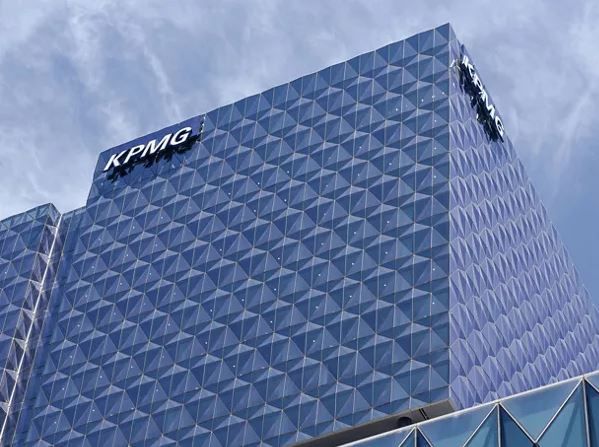
KPMG Australia announced on Tuesday that its chairman Martin Sheppard and two prominent audit partners, Paul Rogers and Eileen Hoggett, have stepped down from their positions amid a damaging scandal centred on the mishandling of whistleblower allegations. These high-profile resignations represent a significant escalation in the fallout from the affair, which has already claimed the positions of the firm's chief executive officer and audit division head.
The firm's interim CEO Stan Stavros released a statement acknowledging the gravity of the situation, emphasising that the leadership changes were both urgent and necessary. His remarks reflected a broader admission that KPMG Australia had fallen short of professional and ethical standards that the industry and public rightfully demand. Stavros further recognised the wide-ranging damage the scandal has inflicted, affecting not only the internal whistleblower who raised the concerns but also extending to staff morale, client relationships, and public confidence in the organisation.
At the heart of the controversy lies an allegation that KPMG improperly accessed and utilised confidential board papers belonging to Lendlease, a major Australian real estate developer, to strengthen its bids for significant audit contracts. The unauthorised use of such sensitive material represents a serious breach of professional ethics and client confidentiality—core pillars upon which auditing firms build their reputation and client trust. For Malaysian and Southeast Asian readers, this incident serves as a cautionary tale about the importance of rigorous internal controls and ethical oversight within multinational professional services firms operating across the region.
Rogers and Hoggett occupied central roles in the Lendlease audit engagement and have been directly identified in the whistleblower's allegations as the lead partners responsible for the team that engaged in the alleged misconduct. The fact that these individuals were named specifically in claims made public in March indicates the weight of the evidence and the level of scrutiny they have faced. Their departures represent an acknowledgement of accountability, though both currently remain subjects of investigation by the Australian Securities and Investments Commission, the country's primary corporate regulator.
The timing of these resignations is significant. They arrive as regulatory investigations continue and as KPMG faces mounting pressure to demonstrate meaningful reform. By moving swiftly to remove senior figures directly associated with the scandal, the firm appears intent on signalling a break with past practices and showing stakeholders that it is taking remedial action seriously. However, the decision also underscores the severity of the conduct at issue and suggests that internal reviews have determined that the individuals involved bear substantial responsibility.
In response to the crisis, KPMG Australia has committed to implementing structural governance improvements. The firm plans to recruit an independent chairperson from outside the organisation, a move designed to introduce fresh perspective and reduce the risk of internal interests compromising oversight. Additionally, the Australian board will be expanded to include independent directors who bring no prior affiliations with the firm, thereby enhancing the checks and balances that should have prevented such misconduct in the first place.
The Lendlease case carries particular significance given the company's prominence in Australia's property and infrastructure sectors. A breach of confidentiality affecting such a major corporate entity raises questions about whether other significant clients may have been similarly disadvantaged or whether the firm's competitive practices extended beyond this single engagement. These questions loom large as investigations proceed and as other audit firms and corporate clients reassess their trust in KPMG's systems and values.
The professional services sector in Australia, and globally, operates on a foundation of client trust and ethical conduct. When major audit firms—which themselves are charged with verifying the integrity of corporate financial reporting—are found wanting in their own ethical standards, the reputational damage extends throughout the industry. For businesses in Malaysia and across Southeast Asia that rely on KPMG and its competitors for audit and advisory services, the scandal raises important questions about due diligence in selecting and monitoring external service providers.
The resignation of multiple senior figures in a single announcement suggests that the investigation into KPMG Australia's conduct has been comprehensive and that the findings warrant decisive action. The fact that the interim CEO felt compelled to make such sweeping personnel changes indicates a recognition that partial or cosmetic reforms would be insufficient to restore credibility. However, restoring confidence will require sustained commitment to the governance reforms announced, transparent cooperation with regulatory authorities, and demonstrated changes in workplace culture and decision-making processes.
As the Australian Securities and Investments Commission continues its investigation into Rogers, Hoggett, and the broader scandal, further developments may emerge that could trigger additional consequences or requirements for the firm. KPMG Australia will need to address not only the immediate fallout but also the systemic issues that allowed such breaches to occur undetected. For regional stakeholders and competitors, this situation underscores the importance of robust internal compliance frameworks and the willingness of leadership to act decisively when ethical standards are compromised, regardless of the seniority of those involved.