The Ministry of Higher Education (KPT) is moving to tighten its oversight architecture by building robust coordination channels between local educational regulators, foreign universities, and professional licensing bodies. The initiative responds to technical gaps that have created credential recognition challenges for Malaysian students studying abroad, most recently affecting four pharmacy graduates from Alexandria University in Egypt whose qualifications encountered obstacles during professional registration in Malaysia.
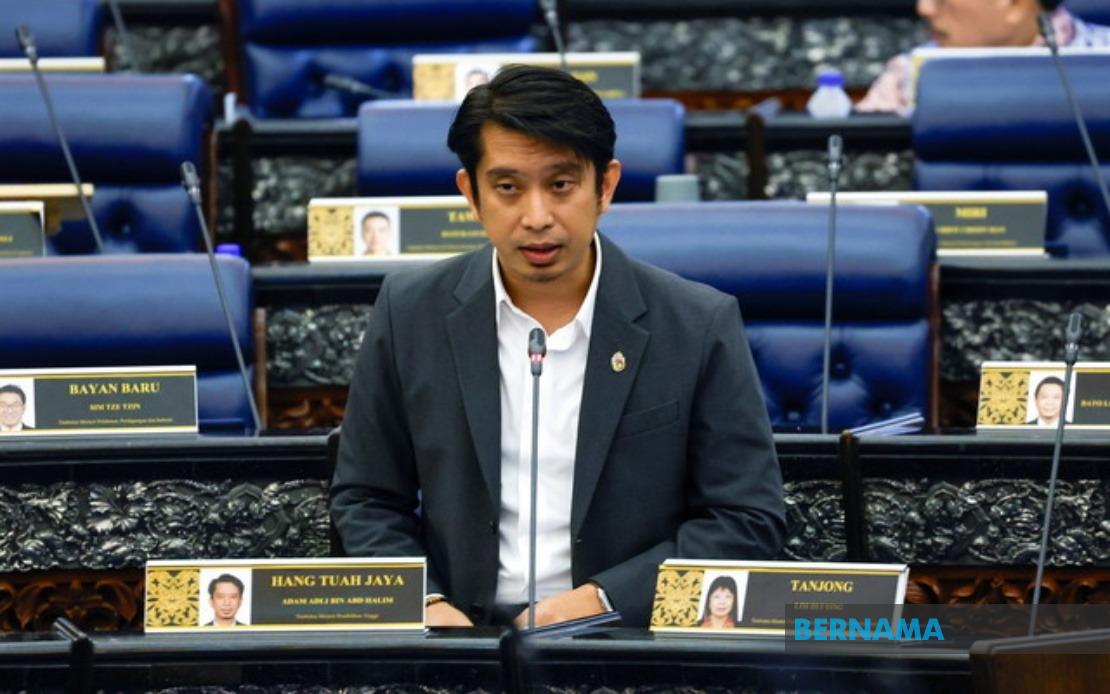
Deputy Minister Adam Adli Abd Halim outlined the strategy during parliamentary proceedings, emphasizing that the ministry intends to maintain comprehensive registries of Malaysian nationals pursuing professional degrees overseas. This database system would enable continuous monitoring of study programme quality and accreditation standards throughout the student's educational journey, creating early warning mechanisms for potential recognition complications before graduates complete their studies.
The Alexandria University pharmacy case, which prompted this policy review, originated from a seemingly straightforward administrative change. The Egyptian institution had altered the official programme title for the pharmacy degree without formally notifying either Malaysia's accrediting authority or the Malaysian Pharmacy Board. This notification gap created a disconnect in the recognition chain—the Malaysian Qualifications Agency (MQA) continued recognizing the programme under its original designation, but the professional body responsible for registering practitioners had no record of the name change, leaving graduates unable to proceed with professional licensure despite possessing legitimate qualifications.
Adam Adli stressed that the recognition failure did not stem from Malaysia's side of the verification process. The MQA's role in credential evaluation functioned properly, maintaining recognition even as the underlying programme evolved. Rather, the bottleneck occurred at the interface between foreign educational institutions and Malaysian professional regulatory bodies, where communication protocols proved insufficient to cascade institutional changes through the entire recognition ecosystem. This distinction carries important implications for how Malaysia should architect its oversight responsibilities going forward.
To address such coordination failures, the ministry is establishing a Joint Technical Committee comprising MQA representatives and officials from relevant professional bodies. This collaborative structure would create institutional touchpoints for information exchange about programme modifications, ensuring that when universities abroad alter curricula, structures, or titles, Malaysian authorities receive timely notification. The system essentially aims to prevent the information silos that allowed the Alexandria case to develop undetected.
However, the ministerial response also clarifies important boundaries in Malaysia's regulatory authority. Professional bodies—whether the Malaysian Pharmacy Board, medical councils, or engineering associations—retain independent statutory power to determine registration eligibility for both domestic and foreign-trained practitioners. The KPT cannot unilaterally compel professional bodies to register individuals; instead, it provides the credential verification and quality assurance layer that feeds into each body's own decision-making processes.
Foreign-trained professionals seeking Malaysian registration must navigate additional requirements beyond simply possessing a recognized degree. Depending on the profession and the jurisdiction where they studied, applicants may need to complete clinical placements, serve mandatory internship periods, pass competency examinations specific to Malaysian practice standards, or demonstrate proficiency in relevant technical knowledge. These gatekeeping requirements exist partly to ensure consistency with local healthcare or professional standards, and partly to protect public safety by verifying that foreign training adequately prepared practitioners for the Malaysian environment.
For Malaysian students and their families, this institutional restructuring offers meaningful protections. Rather than discovering recognition problems only after completing overseas studies—potentially wasting years of investment and creating legal uncertainty—enhanced monitoring could identify and resolve issues while students remain enrolled. Universities that fail to maintain proper communication channels with Malaysian authorities might face reputational consequences or reduced accreditation status, creating market incentives for compliance.
The case also highlights tensions inherent in Malaysia's regulatory approach to professional credentials. The country maintains high standards for professional registration to protect public welfare, yet operates within a globalized education market where tens of thousands of Malaysians pursue degrees abroad annually. Monitoring mechanisms that are too onerous could discourage overseas education; mechanisms that are too permissive could allow substandard credentials into the professional workforce. The KPT's proposed middle path attempts to enhance transparency without imposing unreasonable burdens.
Regionally, Malaysia's experience reflects broader Southeast Asian challenges in credential recognition. As the ASEAN region deepens economic integration and professional mobility increases, countries are grappling with how to verify foreign qualifications while respecting institutional autonomy and maintaining professional standards. Malaysia's development of better coordination protocols may offer lessons for other nations managing similar credential verification complexities.
The institutional reforms also underscore how technical administrative failures can have outsized impacts on individual lives. Four pharmacy graduates found themselves unable to practice their profession despite obtaining legitimate qualifications—a situation entirely avoidable through better information management systems. The ministry's commitment to preventing recurrence suggests recognition that credential recognition disputes carry both personal and institutional stakes extending beyond bureaucratic inconvenience.
Moving forward, the success of the KPT's coordination initiative will depend on whether foreign universities, particularly those hosting significant Malaysian student populations, recognize value in maintaining updated information channels with Malaysian authorities. Without institutional cooperation from the universities themselves, the monitoring mechanism remains incomplete. The ministry will need to develop diplomatic and possibly incentive-based approaches to encourage such participation across jurisdictions where Malaysia has limited regulatory authority.

