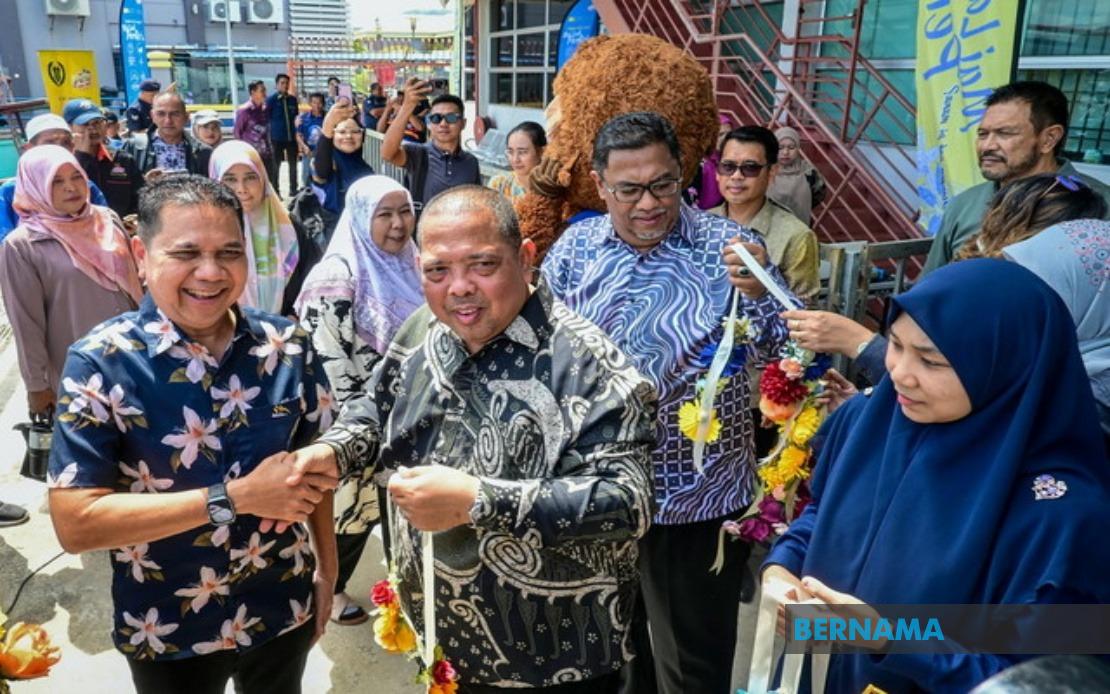
The resumption of maritime connectivity between Perlis and Thailand's Satun province marks a significant milestone for the northern state's tourism ambitions. Menteri Besar Abu Bakar Hamzah announced on July 9 that the reopening of the Kuala Perlis-Satun ferry service, which had been suspended during the COVID-19 pandemic, is expected to elevate tourist arrivals to between 5.5 million and six million in the current year. This renewal of the cross-border maritime link represents more than a simple transportation service; it signals a deliberate strategy to diversify the state's economic base and strengthen regional cooperation with Thailand.
The 40-minute sea crossing offers a distinctly different travel experience compared to land-based border crossings, providing visitors with scenic coastal views that enhance the appeal of the journey itself. Abu Bakar emphasised that the ferry service would facilitate seamless tourist movements between the two regions, creating opportunities for visitors to explore both destinations within a single trip. This interconnectedness is particularly valuable for Thai tourists seeking shopping and cultural experiences in Malaysia, a market segment that the state government is keen to cultivate. The convenience of the maritime route removes the need for travellers to navigate terrestrial border procedures, thereby streamlining the cross-border experience.
Beyond immediate tourism metrics, the ferry resumption carries implications for regional border management and infrastructure planning. The Padang Besar crossing, which serves as the primary land gateway between Malaysia and Thailand, frequently experiences congestion during peak holiday periods. By offering an alternative sea route, authorities hope to distribute cross-border traffic more evenly, reducing bottlenecks that can frustrate travellers and limit the efficiency of commerce. This load-sharing approach reflects pragmatic infrastructure planning, recognising that no single crossing point can adequately accommodate seasonal surges in passenger and vehicle movements.
The economic multiplier effects of restored ferry connectivity extend throughout Perlis' tourism ecosystem. Local businesses in Kuala Perlis, from hospitality operators to retail establishments, stand to benefit from increased visitor footfall. Abu Bakar noted that enhanced Thai visitor numbers would particularly boost the state's retail sector and local revenue streams. Moreover, the ferry service generates direct employment opportunities in terminal operations, vessel management, and associated services, providing sustainable livelihood improvements for communities dependent on tourism infrastructure.
Bilateral relations between Malaysia and Thailand receive tangible reinforcement through practical transportation linkages. The ferry service embodies a commitment to deepening people-to-people exchanges and commercial integration between Perlis and Satun. Such cross-border connectivity projects signal political will to maintain strong regional partnerships and foster prosperity through collaborative infrastructure development. The presence of Satun delegation officials at the terminal opening ceremony underscored this diplomatic dimension.
Looking forward, Perlis authorities are pursuing an ambitious expansion of maritime infrastructure to address persistent technical constraints. The installation of a floating pontoon represents an immediate intervention targeting berthing difficulties caused by tidal fluctuations and shallow draft issues. These hydrographic challenges have historically complicated vessel operations at Kuala Perlis, necessitating innovative engineering solutions. A floating structure adapts to changing water levels, ensuring year-round operational stability regardless of seasonal variations.
More ambitiously, the state government is exploring reactivation of the Kuala Perlis-Satun Roll-on/Roll-off service, which would enable vehicle transport across the strait. This development would transform the maritime link from a passenger-focused route into a comprehensive transport corridor accommodating both people and vehicles. Discussions with prospective investors are underway, indicating genuine commitment to advancing this capability.
The most transformative proposal under consideration involves a RM500 million bridge project spanning approximately two kilometres into the sea. This substantial infrastructure investment would provide permanent, all-weather connectivity between the two regions, transcending the limitations of ferry operations. The bridge would address the chronic shallow navigation channel problem that complicates maritime traffic and constrains vessel capacity. Such a megaproject would represent a generational investment, reshaping the economic geography of northern Peninsular Malaysia and southern Thailand.
For Malaysian policymakers, the Kuala Perlis-Satun ferry represents both immediate opportunity and longer-term strategic planning. The restored service demonstrates responsiveness to post-pandemic recovery needs whilst simultaneously laying groundwork for expanded cross-border cooperation. Regional economists observing Southeast Asian integration trends will note that such initiatives embody the practical infrastructure development that underpins effective economic regionalisation.
The success of this ferry corridor will likely influence government thinking regarding other potential maritime links in the Straits of Malacca and beyond. If Kuala Perlis-Satun operations meet or exceed projections, precedent exists for replicating similar initiatives elsewhere. Conversely, operational challenges would provide valuable lessons for future infrastructure planning. Either way, Perlis serves as a regional testing ground for transnational tourism and transport integration.
For travellers, the resumption offers tangible convenience and choice. The scenic maritime option appeals to those seeking alternatives to congested land crossings, whilst the flexibility of ferry scheduling may better accommodate leisure travel patterns. Thai visitors gain improved access to Malaysian shopping and cultural attractions, whilst Malaysian tourists enjoy expanded options for regional travel.
The broader significance of this initiative extends to how developing economies in Southeast Asia leverage geography and cross-border cooperation to generate economic growth. Perlis, as a smaller northern state, demonstrates that creative infrastructure development and bilateral partnership can amplify tourism potential. The convergence of practical transportation solutions with strategic economic objectives represents the kind of regional cooperation that increasingly characterises Southeast Asian development policy.

