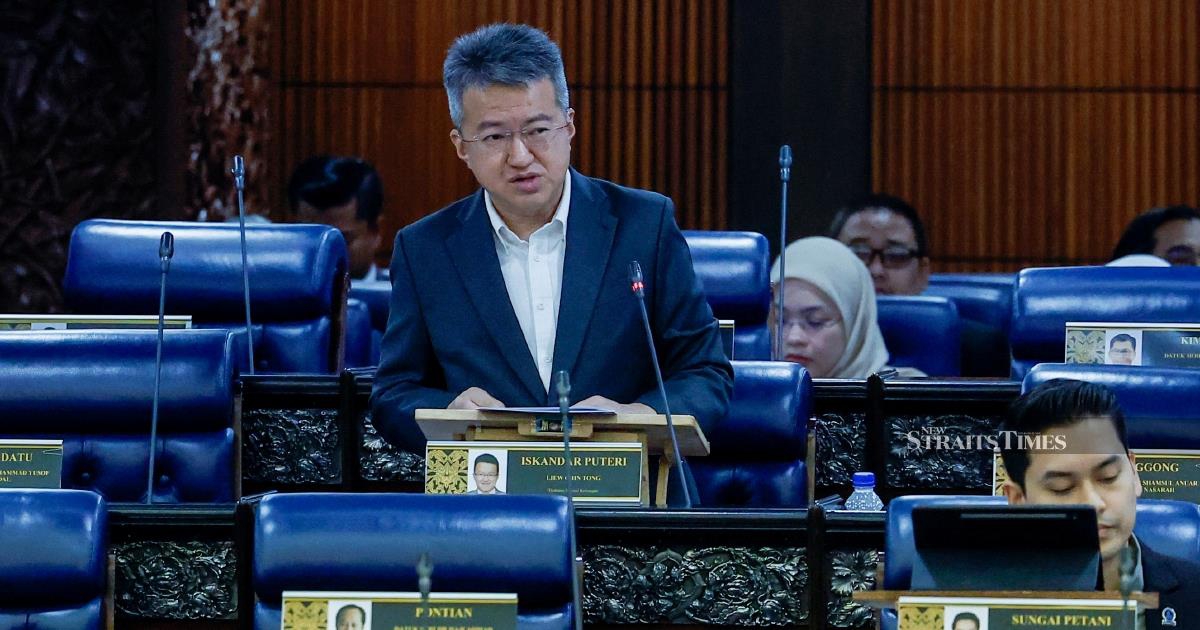
Legislation recently passed in Parliament aims to prevent future unauthorised access to KWAN, the sovereign wealth fund commonly known as Kumpulan Wang Amanah Negara, by mandating explicit approval from the Dewan Rakyat before any funds can be withdrawn. The measure was prompted by a significant RM5 billion drawdown in 2021 that exposed fundamental weaknesses in the regulatory framework governing the fund's operations and stewardship.
The 2021 withdrawal became a focal point for critics who questioned whether existing safeguards were sufficient to protect national assets held in trust for future generations. The incident revealed that the previous legal architecture contained ambiguities and loopholes that allowed access to the fund under circumstances many parliamentarians and observers felt should have required more rigorous democratic scrutiny. The newly enacted Bill directly addresses these concerns by establishing clear, mandatory procedures that treat future withdrawals as matters requiring explicit legislative approval.
Under the revised framework, no funds held within KWAN can be released without a formal resolution passed by the Dewan Rakyat. This represents a substantial shift toward greater parliamentary oversight of sovereign wealth management in Malaysia. Rather than allowing drawdowns through administrative channels or ministerial discretion, the law now elevates such decisions to the full legislative body, ensuring that elected representatives retain control over how national reserves are deployed. This approach aligns Malaysia with international best practices observed in several other countries that have similarly sought to insulate sovereign wealth decisions from executive overreach.
The significance of this legislative change extends beyond the immediate mechanics of fund governance. Sovereign wealth funds hold particular importance in emerging economies like Malaysia, where such instruments serve multiple strategic purposes. KWAN functions not merely as a financial asset but as a repository of long-term national wealth, intended to provide stability across economic cycles and to maintain resources for future policymaking flexibility. When access to these funds becomes subject to weaker controls, the entire premise of maintaining intergenerational equity comes into question. Young Malaysians today have a vested interest in ensuring their government does not deplete assets that might be essential for addressing future challenges, whether those involve economic downturns, public health crises, or major infrastructure needs.
The 2021 withdrawal occurred during a period of heightened fiscal pressure when the government faced competing demands on limited resources. While the specific justification for that drawdown may have seemed pressing at the time, the episode crystallised broader anxieties about accountability and restraint in managing sovereign wealth. The fact that such a substantial sum could be accessed without triggering robust parliamentary debate suggested that institutional checks on executive authority had fallen short. The new law responds to this reality by making parliamentary involvement mandatory rather than discretionary.
From a regional perspective, Malaysia's experience with KWAN offers lessons relevant to other Southeast Asian nations pursuing similar sovereign wealth strategies. Several regional peers, including Singapore, have developed institutional frameworks around sovereign wealth funds that emphasize transparency, professional management, and formal governance structures. Malaysia's legislative response signals a recognition that matching these standards requires not just written policies but enforceable legal mechanisms that place real limits on political actors' ability to circumvent established procedures.
The requirement for a Dewan Rakyat resolution introduces both benefits and potential complications. On the positive side, parliamentary approval ensures that major decisions about national assets receive democratic legitimacy and are subjected to public debate. Opposition parties and backbenchers gain opportunities to scrutinize the government's rationale, ask probing questions, and potentially mobilize public opinion if they believe a proposed withdrawal is unjustified. This transparency mechanism serves as a meaningful check on power and encourages those proposing drawdowns to construct robust justifications that can withstand legislative and public scrutiny.
However, the requirement also raises practical questions about response times in genuine emergencies. Should Malaysia face an unexpected financial crisis requiring rapid deployment of reserves, the parliamentary approval process might introduce delays that complicate crisis management. The legislation presumably contains mechanisms addressing this possibility, though balancing emergency responsiveness against the need for restraint remains perpetually challenging in institutional design. Observers will watch how these provisions are interpreted and applied as precedents develop.
The legislative closure of the KWAN loophole reflects a broader Malaysian conversation about institutional accountability and the proper stewardship of public resources. This debate gained particular momentum following the 1Malaysia Development Berhad scandal, which exposed the dangers of weak oversight over large financial institutions and the concentration of decision-making authority. Building stronger democratic controls into sovereign wealth governance represents part of a gradual, ongoing effort to strengthen institutional resilience across Malaysia's financial system.
Looking forward, the impact of this law will depend significantly on how conscientiously parliamentarians exercise their new oversight responsibilities. The requirement for a Dewan Rakyat resolution is only as effective as legislators are willing to subject proposals to genuine scrutiny rather than rubber-stamping executive recommendations. The law creates an opportunity for improved governance; actualizing that opportunity requires ongoing political commitment to transparent, evidence-based deliberation about national resources.

